
Pests
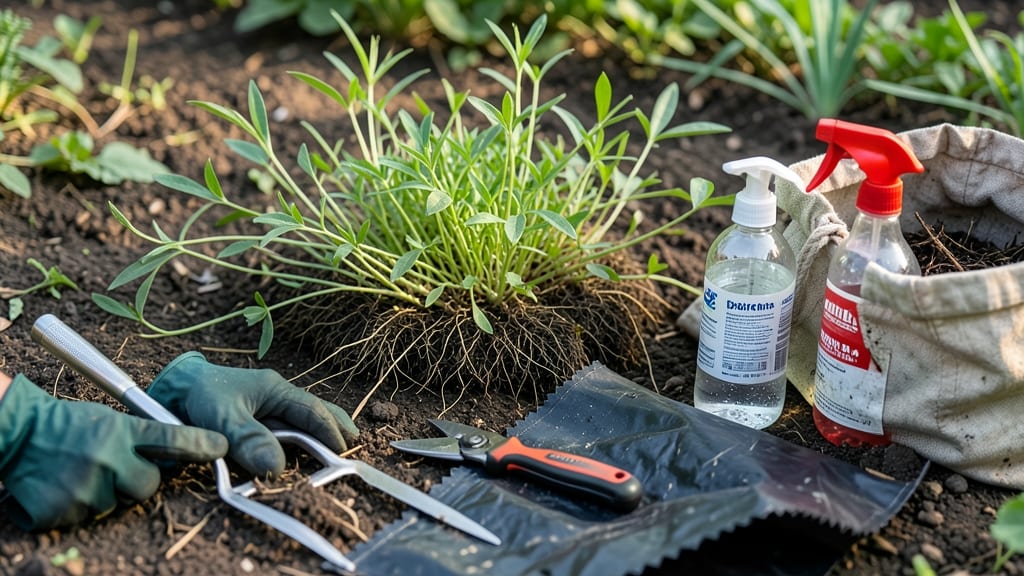
How to get rid of spiderwort creeping into your garden feels like an unwelcome guest. 🌱 I’ve wrestled with this tenacious plant for years—until I discovered the boil-and-pour root smothering trick that finally broke its hold. The secret isn’t brute force; it’s starving those stubborn roots of what they need to regrow. Most methods fail because they miss the underground network. Boiling water disrupts root systems while solarizing the soil blocks regrowth. You’ll need a kettle, some elbow grease, and patience—but the results are worth it. Within 2-3 weeks, you’ll see the last of those purple blooms fading for good. This method works for both invasive Tradescantia and native spiderwort, though check local regulations first. If you’re keeping the plant for its pollinator benefits, we’ll also cover how to contain it instead of eradicating it entirely. Let’s reclaim your garden—without resorting to harsh chemicals or endless weeding.
Root Causes of Spiderwort Spread
Spiderwort (Tradescantia spp.) thrives in gardens and landscapes, but its aggressive growth can quickly turn into an unwanted takeover. Understanding why it spreads so aggressively is the first step to stopping it. Below, we break down the key reasons—backed by science—and how environmental factors fuel its persistence.
Spiderwort spreads primarily through rhizomes—thick, creeping root systems that store nutrients and shoot out new shoots. These rhizomes can grow horizontally up to 2 feet per year, making them nearly impossible to dig out completely by hand.
Unlike shallow roots, spiderwort’s rhizomes burrow deep (often 6+ inches), allowing them to:
- Survive harsh conditions: Even if the above-ground plant dies back in winter, the rhizomes remain dormant until spring, ready to regrow.
- Outcompete native plants: They release allelopathic chemicals that inhibit the growth of nearby vegetation, creating a "monoculture" of spiderwort.
- Fragment easily: Even small pieces of rhizome left in the soil can sprout into new plants, which is why manual removal often fails.
Actionable insight: If you’ve tried pulling spiderwort and saw it regrow, the rhizome fragments likely remained intact in the soil.
Spiderwort is a sun-loving opportunist that thrives in disturbed or nutrient-rich soils. Its spread accelerates when these conditions align:
| Factor | Why It Helps Spiderwort |
|---|---|
| Full sun to partial shade | It grows best in 6+ hours of direct sunlight daily, but tolerates shade if the soil stays moist. Shady spots (like under trees) slow growth but don’t stop it. |
| Moist, well-drained soil | While it dislikes waterlogged conditions, consistent moisture (like in lawns or garden beds) fuels rapid rhizome expansion. Drought stress weakens it but rarely eradicates it. |
| Rich or disturbed soil | Spiderwort exploits nutrient spikes from compost, fertilizer, or freshly tilled ground. It’s common in newly landscaped areas or after construction. |
| Lack of competition | In monoculture lawns or bare soil, spiderwort has no natural predators or competing plants to slow its spread. |
Pro tip: 🌡️ If your yard has recently disturbed soil (e.g., after removing other plants or tilling), spiderwort will seize the opportunity to invade.
Unlike many weeds, spiderwort has few natural enemies in North American landscapes. While deer and rabbits may nibble on the foliage, they rarely target the rhizomes. The lack of:
- Herbivores that eat rhizomes: Most animals avoid the fibrous roots, leaving them untouched.
- Fungal or bacterial pathogens: Spiderwort is highly resistant to common soil-borne diseases that plague other weeds.
- Competitive native plants: In restored ecosystems, deep-rooted grasses or wildflowers can outcompete it—but in manicured lawns, spiderwort dominates.
Why this matters: Without natural checks, spiderwort fills ecological niches left vacant by human-altered landscapes (e.g., lawns, garden beds, or roadsides).
Spiderwort doesn’t just spread on its own—human actions often give it a boost. Common culprits include:
- Unintended transport: Rhizome fragments cling to gardening tools, lawnmower blades, or shovel edges, spreading to new areas.
- Compost contamination: Adding infested plant clippings to compost piles can reintroduce spiderwort to "clean" areas.
- Water runoff: Heavy rains or irrigation can displace rhizome pieces into cracks in driveways or sidewalks, where they take root.
- Landscaping practices: Over-tilling or excessive nitrogen fertilizer creates the perfect conditions for rhizome expansion.
Key takeaway: 🔥 If spiderwort appears in multiple spots suddenly, trace its path—it’s likely hitchhiking on tools or water.
Effective Ways To Banish Spiderwort
Now that you understand why spiderwort invades your garden, it’s time to tackle it head-on with practical, proven methods. Whether you’re dealing with a small patch or a full-blown takeover, these solutions will help you reclaim your yard—without toxic chemicals or endless digging.
Below, we’ve mapped out the best fixes for common causes, along with proactive tips to keep spiderwort from staging a comeback.
---
Spiderwort thrives in weak, compacted soil where grass struggles to grow. The boil-and-pour root smothering trick (featured in our title!) is a game-changer for choking out these stubborn weeds at the root.
#### 🔥 Step 1: Boil Water for a Scalding Treatment - Fill a large pot (like a stockpot) with water and bring it to a rolling boil. - Add 1 cup of white vinegar (optional but boosts effectiveness) per gallon of water. - Let it sit for 5–10 minutes to infuse.
#### 👨🍳 Step 2: Pour Directly Over Spiderwort - On a sunny day (for maximum heat absorption), carefully pour the boiling mixture directly over the spiderwort patches. - Focus on the base of the plant where the roots meet the soil—this sears the underground system. - Repeat 2–3 times over 1–2 weeks for stubborn clusters.
#### 🌡️ Step 3: Smother with Mulch or Cardboard - After treatment, cover the area with thick mulch (3–4 inches) or cardboard to block sunlight. - This starves remaining roots and prevents regrowth. - Pro Tip: 💡 Water the mulch lightly to keep it in place.
Prevention: Aerate your lawn annually and overseed with dense, healthy grass (like tall fescue or Kentucky bluegrass) to outcompete weeds.
---
Spiderwort loves moisture and shade, making it a nuisance in low-light gardens or damp spots. Shift the conditions to make your yard less inviting.
#### 💦 Drainage Fixes for Waterlogged Soil - If your yard holds excess water, improve drainage by: - Adding compost or sand to heavy clay soil. - Creating swales (shallow trenches) to redirect water. - Planting native ground covers (like creeping thyme) that tolerate moisture but crowd out weeds.
#### ☀️ Increase Sunlight Exposure - Trim back overgrown trees or shrubs to let more sunlight reach the area. - Replace dense shade plants with sun-loving perennials (e.g., daylilies, coneflowers) that outcompete spiderwort.
Prevention: 🌡️ Install French drains or raised beds in perpetually soggy areas to deter future invasions.
---
For spiderwort popping up in grass, a combination of pulling and smothering works best.
#### 🔪 Dig Out the Roots (Best in Spring/Fall) - Wear gloves and use a weed puller or trowel to dig out the entire root system. - Twist and tug to break stubborn roots—don’t leave fragments behind! - Pro Tip: ✨ Pull when soil is soft and moist (after rain) for easier removal.
#### 🌱 Fill the Holes with Grass Seed - After removal, fill the holes with topsoil and sprinkle grass seed mixed with compost. - Water gently to encourage new growth.
Prevention: 🎯 Mow high (3–4 inches) to strengthen grass and shade out weeds. Apply corn gluten meal in early spring as a natural pre-emergent.
---
For spiderwort in flower beds or borders, herbicidal alternatives can work—just use them carefully.
#### 🍳 Homemade Vinegar Weed Killer - Mix 1 gallon of white vinegar + 1 cup dish soap + 1 cup salt. - Spray directly on leaves (avoid desirable plants—it’s non-selective!). - Reapply every 3–5 days until the plant dies.
#### ⚠️ Salt for Tough Cases (Use Sparingly!) - Sprinkle coarse salt over the area and water it in. - Warning: Salt alters soil chemistry—only use in non-garden areas or for repeat offenders.
Prevention: 🔥 Mulch heavily (4+ inches) with wood chips or straw to prevent seeds from germinating.
---
Once you’ve removed spiderwort, break the cycle with these habits: - Remove flowers before they seed (wear gloves—sap can irritate skin!). - Solarize soil in late summer by covering beds with clear plastic for 6+ weeks to kill remaining roots. - Plant competitive ground covers like clover or native wildflowers to outcompete weeds.
--- Final Thought: 🌟 Consistency is key—check for regrowth every few weeks and act fast. With these methods, your yard can go from spiderwort jungle to lush, weed-free paradise in no time!
Frequently asked questions
Why does spiderwort keep coming back after I pull it?
Spiderwort spreads through rhizomes—thick, creeping roots that can fragment easily. Even tiny pieces left in the soil will regrow. The boil-and-pour method targets these hidden roots by searing them with hot water. For best results, pull when soil is moist and use a trowel to dig 6+ inches deep to remove the entire root system.
Is boiling water safe for my lawn or garden beds?
Yes, when used correctly! Boiling water only affects plants it directly contacts. For lawns, focus on the base of the plant where roots meet soil—avoid splashing onto grass blades. In garden beds, apply carefully around desirable plants. The vinegar additive (optional) enhances effectiveness but may slightly acidify soil—rinse the area afterward if concerned.
Can I use this method for spiderwort growing in cracks in my driveway?
Spiderwort thrives in cracks because the roots can access moisture and nutrients. Pour boiling water directly into the cracks—it will kill the roots without damaging concrete. For stubborn cases, repeat weekly until no new growth appears. This is especially effective for Tradescantia virginiana, which often invades these areas.
What's the fastest way to prevent spiderwort from spreading to other areas?
Sanitize your tools after each use by wiping them with rubbing alcohol or soapy water. Clean shoes and pet paws if they’ve been in infested areas. For compost piles, only add certified weed-free materials. The key is breaking the rhizome chain—even small fragments can start new colonies elsewhere in your yard.
Should I worry about spiderwort being poisonous to pets or children?
While spiderwort isn't typically toxic, its sap can cause mild skin irritation in sensitive individuals. The real concern is its aggressive spread, which can crowd out safe plants. For pet areas, focus on removal methods like smothering with mulch or solarization rather than chemical treatments. Always supervise children playing in treated areas until you're certain all plant material is gone.