
How To
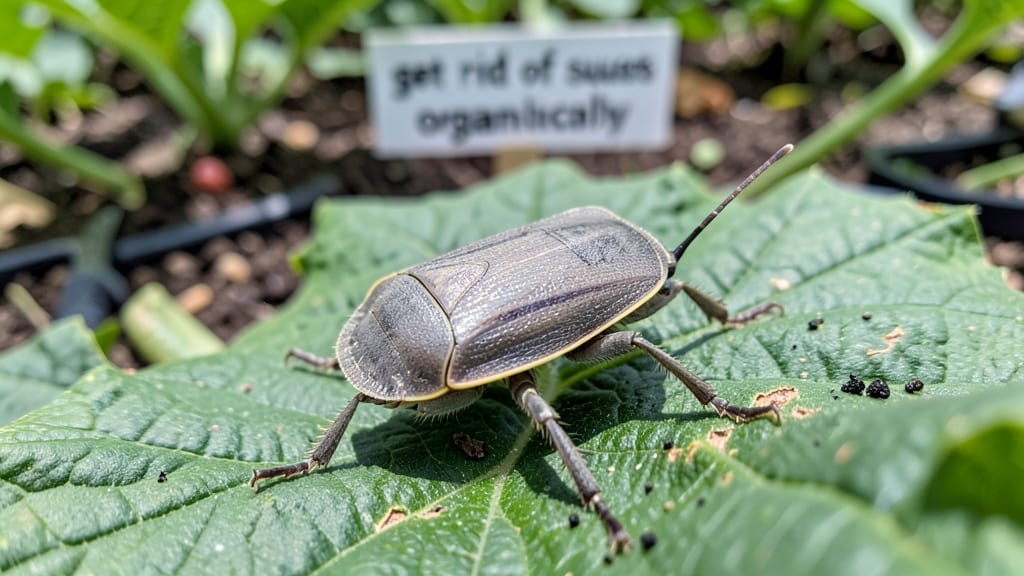
How to get rid of squash bugs organically—those shielded garden pests—without resorting to harsh chemicals? Boiling water can be your secret weapon. 🌱 I’ve battled these sneaky invaders for years, and this one method—pouring boiling water directly onto their hiding spots—finally gave me control. The key? Timing and persistence. These bugs lay eggs on the undersides of leaves, and their nymphs hide in clusters near the stem. A quick pour of boiling water kills adults on contact while smothering eggs before they hatch. You’ll need a kettle, a sunny workday, and about 10 minutes to patrol your plants thoroughly. By mid-season, your squash and pumpkins will thrive without the telltale black droppings or chewed leaves. The plants recover faster than you’d expect, and the method works even on delicate vines if you’re careful with the water flow. For long-term defense, add row covers early in the season and plant nasturtiums nearby—they repel squash bugs naturally. The boiling water method is just the first line of attack.
Root Causes of Squash Bug Infestations
Squash bugs (Anasa tristis) may seem like relentless garden invaders, but their presence is rarely random. Understanding why they target your squash, pumpkin, and cucumber plants—and how they thrive—is the first step to stopping them organically.
Below, we break down the science-backed reasons behind these pesky pests, so you can address the real issues in your garden.
Squash bugs don’t just land on plants—they’re drawn to them like a buffet. When your cucurbits (squash, pumpkins, zucchini, etc.) are stressed or weakened, they release chemical signals (called volatiles) that act like a dinner bell for these bugs. Here’s why it happens:
- Poor Soil Health: Compacted, nutrient-deficient, or overly wet soil weakens plants, making them easier targets. Squash bugs detect stress hormones like ethylene and jasmonic acid, which scream, “Eat me!” - Overcrowding: Plants competing for sunlight, water, and nutrients become more vulnerable.
Squash bugs prefer shady, dense foliage where they can hide and lay eggs undetected. - Disease or Pest Damage: If spider mites, aphids, or fungal infections (like powdery mildew) have already feasted on your plants, the bugs will follow. Damaged leaves = easier access to sap, their favorite meal.
Actionable Insight: Healthy plants are your best defense. Rotate crops annually, amend soil with compost, and thin seedlings to reduce stress signals.
Squash bugs aren’t just hungry—they’re opportunistic survivors. They thrive in gardens that offer: - Mulch and Debris: Leaves, straw, or wood chips near plants create microclimates with high humidity, perfect for their egg-laying habits.
Females glue eggs in rows under leaves, where they stay hidden until nymphs hatch. - Weedy Areas: Nearby weeds (especially smartweed or purslane) can harbor squash bugs between harvests.
They migrate to your prized plants when food runs low elsewhere. - Low-Growing Plants: Squash bugs can’t fly far—they crawl! If your squash vines touch the ground or are planted near low-lying weeds, bugs can walk right in.
Actionable Insight: Clear mulch and debris from plant bases, remove weeds within 10 feet of your squash patch, and elevate vines with trellises to break their entry path.
Squash bugs are cold-hardy but heat-loving. They time their life cycle to exploit: - Warm Springs: Adults emerge when soil temps hit 50–55°F (10–13°C).
If your spring is unusually warm, they’ll hatch earlier and in larger numbers. - Humid Summers: High humidity keeps their eggs from drying out and helps nymphs survive. Stagnant water (like in saucers under pots) can also attract them. - Dry, Hot Spells: While they love humidity, prolonged drought stress weakens plants, making them more attractive to feeding adults.
Actionable Insight: Monitor weather patterns—if your area has early warm spells, start weekly inspections before planting. Drip irrigation (instead of overhead watering) keeps foliage dry, reducing egg survival.
In a balanced ecosystem, squash bugs face dozens of predators. But if your garden lacks biodiversity, they take over.
Key natural enemies include: - Ground Beetles (devour eggs and nymphs) - Spiders (hunt nymphs) - Parasitic Wasps (lay eggs inside squash bug eggs) - Birds (like starlings and robins, which eat adults)
Why the imbalance?
- Pesticide Use: Even “organic” sprays can kill beneficial insects faster than squash bugs.
- Monoculture Gardening: Planting only squash family crops removes habitat for predators.
- Urban/Suburban Gardens: Fewer wildflowers and hedges mean fewer insect hotels for predators.
Actionable Insight: Plant companion flowers (like dill, fennel, or marigolds) to attract predators. Avoid broad-spectrum sprays, and leave some “wild” areas in your garden for beetles and spiders.
Sometimes, we accidentally help them. Common garden mistakes that worsen infestations: - Planting Too Late: Squash bugs overwinter in leaf litter and soil.
If you plant after they’ve woken up, they’ll colonize first. - Ignoring Last Year’s Debris: Eggs can survive winter in dead vines or compost piles. Don’t compost infested plants—burn or trash them instead. - Using Plastic Mulch: Traps heat and moisture, speeding up egg hatching. Straw or grass clippings are better for predator activity.
Actionable Insight: Clean up garden beds in fall, plant early (as soon as soil is workable), and avoid plastic mulch near squash patches.
Squash bugs don’t strike alone—they exploit weak plants + hiding spots + perfect weather + few predators + human mistakes.
By addressing each link in this chain, you disrupt their life cycle before they even start. Your goal? Make your garden less appealing, harder to hide in, and more predator-friendly. The boiling water barrier we’ll cover next? That’s just the finishing move. 🎯
Organic Fixes for Squash Bugs
Squash bugs are stubborn pests, but with the right organic approach, you can reclaim your garden without harsh chemicals. Below are targeted solutions based on the root causes—from manual removal to natural barriers and habitat disruption.
Each method is designed to be practical, effective, and easy to implement, even for beginners.
Best for: Small infestations or newly spotted bugs. Why it works: Squash bugs are slow-moving, making them easy to remove by hand. Targeting adults and egg masses early prevents them from multiplying.
How to do it:
- 👨🍳 Scout your plants in the early morning when bugs are sluggish. Check under leaves, along stems, and on the soil surface.
- 🔪 Drop them into soapy water—fill a bucket with water and a few drops of dish soap to kill them instantly.
- 🥘 Remove egg clusters (gray, football-shaped masses on undersides of leaves) and crush them or submerge them in soapy water.
- ⏰ Repeat every 2–3 days during peak squash bug season (late spring to early summer).
Pro tip: 💡 Wear gloves to avoid the foul odor and sticky residue they leave behind!
Best for: Preventing eggs from hatching and killing overwintering adults. Why it works: Squash bugs lay eggs in the soil or on plant stems. Boiling water creates a lethal barrier that suffocates them without chemicals.
How to do it:
- 🔥 Heat water to boiling in a large pot or kettle.
- 🥘 Pour slowly around the base of squash plants, focusing on the soil and lower stems where eggs hide.
- 🌡️ Repeat weekly during egg-laying season (May–June) to disrupt their life cycle.
- ✨ Add a drop of dish soap to the water to break surface tension and improve coverage.
Pro tip: 🌡️ Time it right—do this in the evening when temperatures are cooler to avoid stressing your plants.
Best for: Long-term prevention and reducing adult populations. Why it works: Squash bugs are attracted to squash plants but can be deterred with physical or scent-based barriers.
Methods:
- 🥘 Row covers: Use lightweight fabric over young plants to block adults from laying eggs. Remove when flowers appear for pollination.
- 🌿 Companion planting: Interplant with marigolds, nasturtiums, or radishes—their strong scents repel squash bugs.
- 🍎 Beer traps: Bury a shallow dish filled with beer near plants. The yeast attracts and drowns squash bugs (and other pests).
- 🎯 Yellow sticky traps: Place them near plants to catch flying adults before they lay eggs.
Pro tip: 🔥 Combine methods for best results—e.g., use row covers early in the season and switch to traps later.
Best for: Breaking the squash bug’s life cycle long-term. Why it works: These pests overwinter in garden debris and mulch. Disrupting their habitat starves them out.
How to do it:
- 🔥 Remove crop residue after harvest—burn or compost old squash vines and leaves.
- 🌿 Till the soil in fall to expose and kill overwintering eggs.
- ✨ Avoid thick mulch near stems—opt for straw or grass clippings sparingly.
- 💡 Plant trap crops like zucchini or pumpkins away from your main garden to lure squash bugs away.
Pro tip: 🌡️ Rotate crops annually to deny squash bugs a familiar host.
Best for: Natural pest control with minimal effort. Why it works: Predatory insects and microbes can keep squash bug populations in check.
Solutions:
- 🐞 Release ladybugs, lacewings, or parasitic wasps (like Trissolcus basalis), which prey on squash bug eggs.
- 🍄 Apply Bacillus thuringiensis israelensis (Bti)—a natural bacteria that targets pests but is safe for plants and humans.
- 🌿 Use neem oil spray (1 tsp neem oil + 1 tsp mild soap per quart of water) to deter adults and disrupt egg-laying.
Pro tip: 💡 Apply neem oil in the early morning or evening to avoid harming bees.
Final Note: Consistency is key! Squash bugs thrive when left unchecked, so combine these methods for the best defense. Start with handpicking and boiling water, then layer in barriers and beneficial insects for a robust organic solution. Your garden will thank you!
Frequently asked questions
Why do squash bugs always return even after I treat them?
Squash bugs have a two-year life cycle—adults overwinter in garden debris, and eggs can survive winter in soil or mulch. If you don’t remove last year’s plant residue or till the soil in fall, the next generation will emerge. Combine boiling water treatments with fall cleanup for long-term results.
Is boiling water safe for my squash plants?
Yes, when done carefully! Pour the water slowly and directly onto the soil/stems—avoid spraying leaves. Use cooler water (just off boil) for delicate vines, and never apply when plants are wilting from heat stress. A drop of dish soap helps protect foliage while improving coverage.
What’s the best time of day to check for squash bugs?
Early morning is ideal! Squash bugs are slowest then, making them easier to spot and remove. Check again in the evening when they’re also less active. Avoid midday heat—the bugs hide in shady spots, and your plants may wilt from handling.
Can I use neem oil if I have bees in my garden?
Use neem oil with caution! Apply it only in the evening when bees are less active, or avoid spraying flowers entirely. Neem oil disrupts insect hormones, so even organic sprays can harm pollinators. For bee-friendly gardens, focus on handpicking or beer traps instead.
How do I know if I’m dealing with squash bugs or cucumber beetles?
Check their size and markings! Squash bugs are 1/2-inch long with grayish-brown, shield-like bodies and no stripes. Cucumber beetles are smaller (1/4-inch), yellow with black stripes, and jump when disturbed. Both damage plants, but squash bugs leave black fecal droppings while beetles create holey leaves.