
Pests
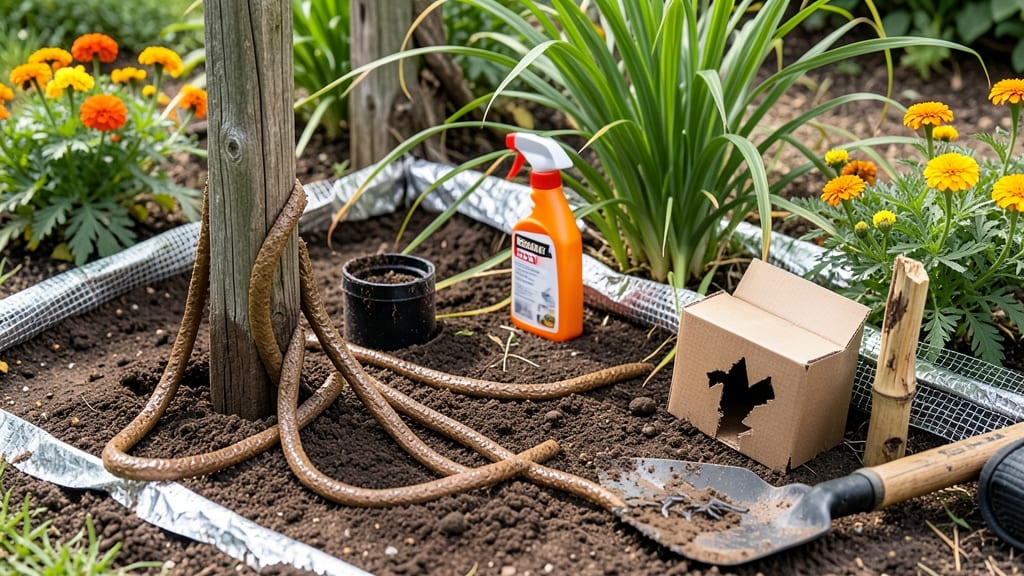
How to get rid of termites in soil—they’re not just a nuisance, but silent destroyers of roots and plant health. 🌱 I’ve battled them in my own garden, and the heat-activated barrier method finally gave me the upper hand by breaking their nesting cycle without harsh chemicals. The key is understanding how they work: termites thrive in moist, undisturbed soil, building hidden tunnels that weaken plants. This method targets their heat sensitivity, creating a zone they avoid while keeping your garden safe for roots and beneficial microbes. You’ll see results within 2-3 weeks—fewer mud tubes, healthier plants, and termites moving on to easier targets. The best part? It’s a one-time setup that protects your soil long-term, not just a quick fix. Works for vegetable beds, flower gardens, and even lawn edges. Here’s how to set it up right the first time.
Root Causes Of Soil Termites
Termites don’t just appear out of nowhere—they’re drawn to your property by specific conditions in the soil and environment. Understanding why they invade is the first step to stopping them before they cause serious damage. Here’s a breakdown of the key factors that turn your yard into a termite buffet.
Termites thrive in damp, dark environments, and moisture is their #1 requirement. Here’s why your soil might be a termite magnet:
- Poor Drainage: If your yard has low spots, clay-heavy soil, or compacted ground, water pools instead of draining. Termites detect moisture through humidity sensors in their antennae and swarm toward these areas like a desert traveler to an oasis.
- Leaky Pipes or Irrigation Issues: Underground leaks or overwatering from sprinkler systems create micro-climates of constant moisture. Subterranean termites (the most common type) build mud tubes to stay hydrated—so if you see these "highways," you’ve got a termite highway system.
- Wood Debris or Mulch Piles: Decaying wood and thick mulch layers trap moisture and provide food. Termites don’t just eat wood—they farm fungi in damp soil, which breaks down cellulose (like in your deck or fence) even faster.
💡 Pro Tip: Use a moisture meter to test your soil. If it reads above 20% moisture, termites are already celebrating in your yard.
Termites are obsessional eaters—they’ll consume their body weight in cellulose daily. If your soil has:
- Buried Wood: Old stumps, untreated lumber, or even cardboard buried in gardens (yes, really) act as termite condos. The closer the wood is to the ground, the faster they’ll move in.
- Cellulose-Rich Plants: Some plants, like mulberry trees, bamboo, or even certain grasses, have high cellulose content. Termites munch on roots and stems, creating hidden tunnels into your home.
- Structural Weaknesses: Cracks in foundations, loose siding, or gaps in vents give termites a direct highway from soil to your home’s framework. They don’t need an invitation—they’ll chew through drywall like it’s toothpaste.
🔥 Warning: Termites don’t just target old homes. New construction with untreated wood or poor sealing is just as vulnerable.
Termites are thermoregulators—they seek consistent warmth (70–95°F) and protection from predators. Your soil provides both:
| Factor | Why It Attracts Termites |
|---|---|
| Shady, Undisturbed Areas | Termites avoid sunlight. They build nests in dark, undisturbed soil under patios, decks, or dense landscaping. |
| Insulated Soil | Thick mulch, rocks, or even landscaping fabric trap heat and moisture, creating a termite sauna. |
| Proximity to Food Sources | If your home’s foundation is near wood piles, compost heaps, or even paper trash, termites will scout and settle. |
🌡️ Science Note: Termite colonies can grow 10x faster in soil with stable warmth. That’s why they’re more active in spring and fall—the "Goldilocks zone" of weather.
Termites don’t randomly invade—they’re strategic colonizers. When conditions are right, they send out swarmers (winged termites) to find new territories. Here’s how they choose your yard:
- Pheromone Trails: Worker termites leave chemical scent marks to guide swarmers. If your neighbor has termites, their pheromones might be leading a parade to your property.
- Light and Wind Patterns: Swarmers are attracted to light at dusk (when they take flight) and prevailing winds that carry them toward structures.
- Human Activity: Moving firewood, stacking lumber, or even planting new trees near your home can trigger a termite invasion. They see it as a free hotel with room service.
✨ Fun Fact: Swarmers die after mating, but the queen termite (who can live 25+ years) lays 30,000 eggs a day—meaning one missed swarm can turn into a full-blown colony in months.
Now that you know why termites move into your soil, the next step is disrupting their nesting cycle with targeted heat treatment. Stay tuned!
Termite Solutions That Work
Termites in soil can feel like an invisible enemy, silently damaging your home’s foundation, wooden structures, and even landscaping. But don’t worry—there are practical, science-backed ways to tackle them, whether you’re dealing with an active infestation or just want to prevent future invasions.
Below, we’ve mapped common causes to effective fixes, including heat-activated barriers, chemical treatments, and long-term prevention strategies. Let’s get started!
Termites thrive in damp, nutrient-rich soil. If your yard or foundation has standing water, poor drainage, or excessive mulch, you’re basically rolling out a welcome mat.
How to Fix It:
- 🌧️ Improve Drainage – Install French drains or extend downspouts away from your home’s foundation. Sloping soil (at least 6 inches over 10 feet) helps water flow away naturally.
- 💧 Reduce Mulch Piles – Mulch near your home should be no thicker than 2–3 inches and kept at least 12 inches away from the foundation. Opt for gravel or crushed stone instead—they repel moisture and termites.
- 🔥 Heat-Activated Barriers – Install heat-treated soil barriers (like TermiHeat) around your property. These disrupt termite nesting cycles by raising soil temps to 140°F+, making it inhospitable without harming plants or pets.
💡 Pro Tip: Use a soil moisture meter to check problem areas. If readings are above 30%, you’ve got a termite magnet on your hands!
Termites sneak in through tiny cracks, gaps, or wood-to-soil contact. A single unsealed utility line or loose siding can be their backdoor.
How to Fix It:
- 🔧 Seal Cracks & Gaps – Use silicone caulk or metal flashing to close cracks in:
- Foundation walls
- Expansion joints
- Around pipes, vents, and cables
- 🪵 Remove Wood Debris – Old stumps, firewood piles, or dead trees near your home? Remove them immediately—they’re termite buffets.
- 🏗️ Install Physical Barriers – Metal mesh or treated wood barriers (like TermiGuard) can be buried 12–18 inches deep around foundations to block subterranean termites.
✨ Bonus Move: Apply borate-treated wood (like Timbor) to any new wood structures—it’s toxic to termites but safe for humans.
If termites are already munching away, you’ll need targeted treatments to stop them fast.
| Treatment Type | How It Works | Best For | DIY? |
|---|---|---|---|
| Liquid Termiticides | Soaked into soil to create a chemical barrier (e.g., Bifenthrin, Imidacloprid). | Active infestations in soil. | ❌ Pro job |
| Bait Stations | Termites eat slow-acting poison, then share it with the colony. | Slow but long-term colony elimination. | ✅ (Pre-loaded stations) |
| Heat Treatment | 140°F+ soil heating kills termites on contact (no chemicals!). | Eco-friendly, great for heat-activated barriers. | ❌ Pro job |
| Diatomaceous Earth (DE) | Food-grade DE dries out termites (must stay dry!). | Small infestations in wood or soil cracks. | ✅ DIY |
🔥 Hot Fix: For severe infestations, combine heat treatment + bait stations for a two-pronged attack.
The best offense is a strong defense. Once you’ve kicked termites out, lock them out with these habits:
- 🌿 Keep Plants & Mulch Away – Maintain a 12-inch gap between mulch and your home’s foundation.
- 🚰 Fix Leaks ASAP – Check faucets, AC units, and irrigation systems for hidden moisture sources.
- 🔍 Schedule Annual Inspections – A termite professional can spot early signs (mud tubes, frass) before they become a disaster.
- 🏡 Use Termite-Resistant Materials – If renovating, choose pressure-treated wood or metal siding over untreated lumber.
💡 Pro Tip: Plant termite-repelling flora like neem trees, mint, or catnip near your home’s perimeter—they naturally deter swarmers!
Final Thought: Termites in soil don’t stand a chance when you combine moisture control, physical barriers, and heat/chemical treatments. Start with drainage fixes and sealing entry points, then reinforce with long-term prevention.
If the infestation is widespread, call a pro—but with the right strategy, you can terminate termites for good! 🚫🐜
Frequently asked questions
How do I know if I have termites in my soil?
Look for mud tubes (quarter-inch-wide tunnels) on foundation walls, swarmers (winged insects near windows), or hollow-sounding wood when tapped. Check for frass (tiny wood pellets) near entry points or under mulch. Subterranean termites rarely appear above ground, so focus on soil near wooden structures.
Can I use diatomaceous earth to kill soil termites?
Yes, but only food-grade DE works—apply it directly to mud tubes or cracks where termites travel. Keep the area dry for 24-48 hours (DE loses effectiveness when wet). For soil treatment, mix it into the top 1-2 inches of dry soil near foundations. Repeat every 2-3 months for best results.
What's the difference between termites and carpenter ants?
Termites have straight antennae, equal-sized wings, and a thick waist, while carpenter ants have bent antennae, uneven wings, and a narrow waist. Termites shed wings after swarming, while ants carry them. More importantly, termites eat wood (including soil cellulose), while ants excavate nests but don't consume wood—though both can damage structures.
Will heat treatment harm my plants or lawn?
No, when done properly. Heat-activated barriers raise soil temps to 140°F+ only in targeted zones, avoiding plant roots. Most systems use infrared heating that penetrates 6-12 inches deep—deep enough for termites but safe for shallow-rooted plants. Water-sensitive plants may need temporary relocation during treatment.
How long does it take to see results after treatment?
With heat barriers, you'll see mud tubes disappear within 2-3 weeks as termites avoid treated zones. Chemical baits take 4-6 weeks as the colony shares poison. For severe infestations, combine methods—expect 3-6 months for full colony elimination. Monitor for new swarmers (a sign of remaining colonies).