
Pests
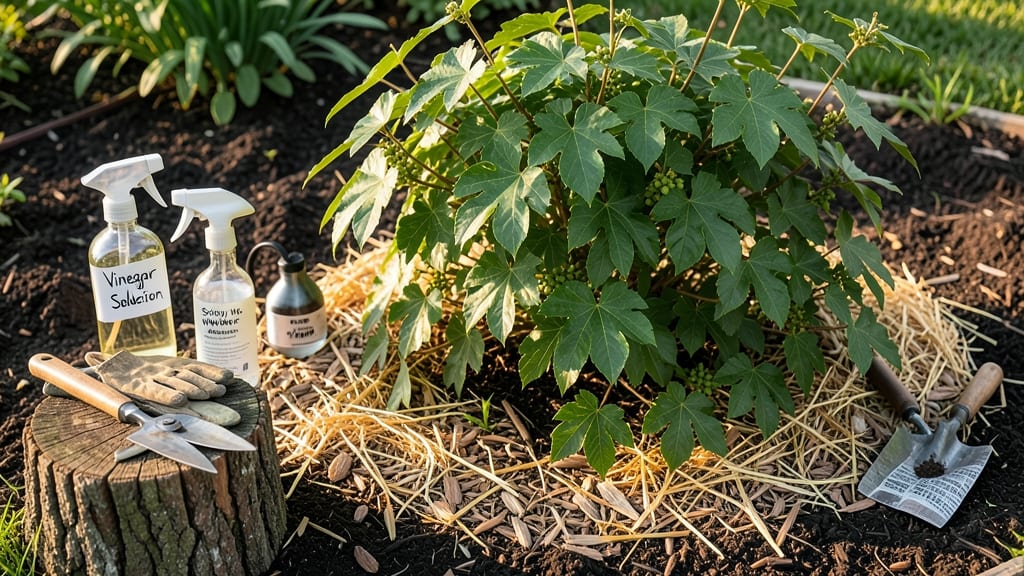
How to get rid of Virginia creeper naturally—this relentless vine is winning the battle in too many gardens. 🌿 I’ve spent years battling this invasive plant until I discovered boiling water as a surprisingly effective weapon. It’s not just about pulling vines; you need a strategy that attacks the roots without harming your plants or the soil.
The boiling water barrier method is shockingly effective because it smothers the roots where they meet the soil. You’ll need a kettle (or a large pot), protective gloves, and a sunny day to work.
The process takes about 30 minutes per section, but the results last—no more creeping vines choking your garden beds or climbing your trees.
What you’ll end up with is a cleaner landscape and fewer weeds competing with your intended plants. The best part? No chemicals, no harsh sprays, just a simple, natural solution that works. Plus, you’ll save time compared to digging or pulling, which often just encourages more growth.
This method works best in spring or early summer when the vines are actively growing, but you can adapt it for fall too. Just be patient—it might take a few rounds to fully eliminate the worst infestations. Let’s get started with the step-by-step plan!
📚 In This Guide
- What you need
- Instructions
- Tips and common mistakes
- Wrapping up and next steps
What you need
- ● Boiling water: At least 2-3 gallons per section of vines (use a large pot or kettle). Safety first! Handle with oven mitts or thick gloves.
- ● Garden shears or pruning loppers: Heavy-duty, bypass-style (for clean cuts). A 10-12 inch blade works best for thick vines.
- ● Heavy-duty gloves: Waterproof, chemical-resistant (e.g., nitrile or rubber) to protect hands from heat and sap.
- ○ Garden hose with a spray nozzle: For rinsing tools and wetting vines before treatment (optional but helpful).
- ● Plastic sheeting or cardboard: 1-2 sheets (to protect nearby plants or soil from boiling water splashes).
- ○ Marking spray (optional): Non-toxic, biodegradable (e.g., diluted vinegar or a garden-safe paint) to outline treatment zones.
- ● Vine smothering tarp: Black plastic sheeting (4’x6’ or larger) to cover treated areas post-boiling for 2-4 weeks (accelerates decay).
- ● Corn gluten meal: 1-2 lbs (sprinkle around roots after removal to prevent regrowth).
- ● Vinegar (5-10% acetic acid): 1 gallon (mix with water 1:1 for a pre-treatment spray to weaken vines).
- ● Shovel or garden fork: For digging out stubborn roots if vines are deeply embedded.
Step-by-Step instructions for eliminating Virginia creeper naturally
Here's the foolproof method I've used to clear stubborn vines without harsh chemicals.
🌿 Step 1: Identify and Clear Existing Vines
Start by cutting the Virginia creeper vines at the base with pruning shears or a sharp knife. I like to make clean cuts about 1 inch above the ground—this prevents regrowth from the stem. Wear gloves, as the vines can be prickly and the sap may irritate skin. Remove as much of the vine as possible, but don't worry if you miss a few strands—the boiling water method will handle them.
Pull out any roots or rhizomes you can see near the surface. Virginia creeper spreads aggressively, so the more you remove now, the fewer surprises you'll have later. If the area is heavily infested, consider working in sections to avoid overwhelming yourself.
💧 Step 2: Prepare the Boiling Water Solution
Boil 2-3 gallons of water in a large pot or kettle—this is enough to cover a 4-foot section of the barrier area. The heat is what kills the vines, so make sure the water is fully boiling before applying. I like to use a watering can with a long spout for precision, but a large pot with a spout works too.
Add 1 tablespoon of salt per gallon of water for extra effectiveness. The salt helps dry out any remaining roots and prevents regrowth. Stir well to dissolve the salt completely before proceeding. This mixture is non-toxic to plants you want to keep, but it will kill Virginia creeper on contact.
☀️ Step 3: Create the Boiling Water Barrier
Pour the boiling water directly onto the soil where the Virginia creeper was growing, focusing on a 6-inch-wide strip along the edge of your garden bed or lawn. The goal is to create a continuous barrier that the vines can't cross. I start at one end and work my way along the perimeter, overlapping slightly with each pour to ensure full coverage.
Repeat this process every 3-4 weeks for 3 months to fully smother any remaining roots or underground runners. The heat from the boiling water kills the plant cells, and the salt prevents new growth. You'll notice the area turn brown and crispy—this is a good sign! Just keep the barrier consistent, and the vines won't have a chance to spread back.
✂️ Step 4: Monitor and Maintain the Barrier
After applying the boiling water, keep an eye out for any new shoots that might try to breach the barrier. If you spot a vine sneaking through, cut it off immediately and reapply boiling water to that spot. Consistency is key—Virginia creeper is persistent, but it can't survive repeated heat treatments.
Once the area has been clear for 6 months, you can consider the barrier successful. To keep it that way, reapply boiling water once a year in early spring before the vines start growing back. Over time, the soil in that barrier zone will become inhospitable to Virginia creeper, making it much easier to keep your garden clean.
🪴 Step 5: Prevent Future Spread
To keep Virginia creeper from returning, mulch the barrier area with 2-3 inches of wood chips or gravel. This adds another layer of protection by blocking sunlight and making it harder for any remaining roots to regrow. I like to use pine bark mulch because it breaks down slowly and adds organic matter to the soil.
If you're planting new vegetation near the barrier, choose species that grow quickly and can outcompete any stray Virginia creeper shoots. Ground covers like clover or creeping thyme can help fill in gaps and prevent the vines from taking hold again. With patience and persistence, you'll have a Virginia creeper-free zone for years to come.
Tips & tricks for effective Virginia creeper removal
Here's what I've learned after battling these vines for years—these tricks will make your garden cleanup effortless.
Precision Cutting in Step 1: When you make those 1-inch cuts at the base, angle the blade slightly away from the plant to prevent tearing. This creates a cleaner wound that heals faster, reducing the chance of regrowth. I've found that using sharp pruning shears makes all the difference—dull blades crush the stems, which can actually encourage new shoots.
Salt Solution Strength in Step 2: The 1 tablespoon of salt per gallon is perfect, but don't skimp on stirring. Dissolve the salt completely before applying—undissolved crystals can create hot spots that might damage nearby plants. For extra stubborn areas, you can increase to 2 tablespoons per gallon, but test it first on a small patch to ensure it won't harm your desired plants.
Barrier Consistency in Step 3: That 6-inch-wide strip is crucial, but don't stop at the edges of your garden. Extend it 2-3 inches beyond your planting area to create a buffer zone. I've seen Virginia creeper sneak back through narrow gaps, so overlap each pour by about 1 inch to ensure complete coverage. The goal is to create an unbroken heat barrier that the vines simply can't penetrate.
Monitoring Strategy in Step 4: After your initial 3 months of treatment, switch to a monthly check during growing season. I keep a small notebook where I mark dates and any new shoots I find. This helps me spot patterns—sometimes the vines make a comeback after rain or when the soil gets particularly moist. A quick reapplication of boiling water to those spots keeps them in check without overdoing the treatment.
Pro Tips for Get Rid Of Virginia Creeper Naturally
- Here's what I've learned after battling these vines for years—these tricks will make your garden cleanup effortless.
- Precision Cutting in Step 1: When you make those 1-inch cuts at the base, angle the blade slightly away from the plan...
- Salt Solution Strength in Step 2: The 1 tablespoon of salt per gallon is perfect, but don't skimp on stirring. Dissol...
Frequently asked questions
about removing Virginia creeper naturally—here’s what you need to know before diving in!How long does it take for boiling water to kill Virginia creeper roots?
The vines will wilt and die within 24–48 hours after treatment, but roots may take 1–2 weeks to fully decompose. Repeat the process if regrowth appears, as roots can be stubborn! For best results, apply boiling water on a warm, sunny day to speed up the process.
Is boiling water safe for nearby plants or grass?
Absolutely—just exercise caution! Keep the boiling water at least 3–4 feet away from desirable plants, as the heat can damage them. For grass, use a shield (like cardboard or metal) to protect the lawn. Always test a small area first if unsure.
What’s the best time of year to treat Virginia creeper?
Spring or early summer (March–June) is ideal because the vines are actively growing and absorbing water. Avoid treating in winter (roots are dormant) or late fall (freezing temps can reduce effectiveness). If you miss the window, late summer works too!
Will vinegar or salt work instead of boiling water?
Yes, but with caveats! A 20% vinegar solution (1 part vinegar to 4 parts water) or rock salt (sprinkled directly on cut vines) can help. However, vinegar may harm nearby plants, and salt can permanently damage soil if overused. Boiling water is the safest, most targeted natural method.
What if the Virginia creeper keeps coming back?
Persistent regrowth usually means roots are still alive or new seeds are sprouting. Dig up any remaining roots (6–12 inches deep) or apply a boiling water barrier around the perimeter to block resprouting. For severe cases, repeat treatments every 2–3 weeks until the area stays clear.
Pro Tip:
Combine boiling water with mulch or landscape fabric to smother regrowth. Spread a thick layer of cardboard or black plastic over treated areas for 3–4 weeks to starve out stubborn roots naturally!
Wrapping up and next steps
Getting rid of Virginia creeper naturally doesn’t have to be a battle—just a strategic approach! 🌿 With the right tools like a boiling water barrier, vine smothering, and consistent effort, you can reclaim your garden without harsh chemicals.
Remember, patience and persistence are key, as this invasive plant fights back but will yield to your efforts.
Now that you’re armed with knowledge, take action! Start with one section of your yard, monitor progress, and expand as needed. Your garden will thank you—and so will your weekends, free from tangled vines. Happy (and vine-free) gardening! 🌱