
Pests
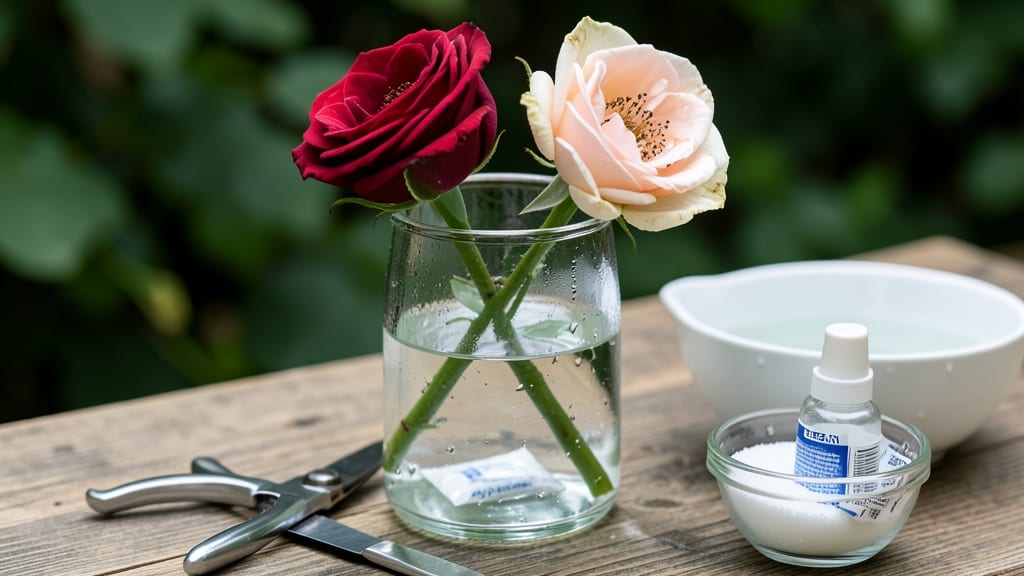
How to get roses to open in a vase—that first wilted bud feels like a betrayal, especially when you paid good money for them. 🌹 I’ve revived dozens of stubborn roses that arrived half-open or limp, and the secret isn’t magic—it’s science. A few simple cuts, the right water mix, and just enough patience can transform those closed buds into full, fragrant blooms within 24-48 hours.
Most roses arrive stressed from travel, and their buds stay closed as a survival tactic. The fix starts with recutting the stems at a 45-degree angle (about 2 inches from the base) to reopen the vascular system.
Then, it’s all about the water—warm water with a splash of bleach or flower food keeps bacteria at bay, while a teaspoon of sugar gives them energy to unfurl. Light and warmth do the rest.
By morning, you’ll see those tight buds start to loosen, and within a day, they’ll be fully open—plump, vibrant, and smelling like a summer garden. The key is acting fast: the sooner you refresh the water and trim the stems, the better their chances.
Even roses that looked hopeless can bounce back with this method.
Works for any cut roses—store-bought, garden-fresh, or even those "almost there" blooms from your own yard. The same tricks prevent bud blight and extend vase life by 3-5 days. Here’s exactly how to do it, step by step.
📚 In This Guide
- What you need
- Instructions
- Tips and common mistakes
- Wrapping up and next steps
What you need
- ● Freshly cut roses – Choose stems with at least 3-4 inches of healthy stem remaining (avoid wilted or overly dry blooms).
- ● Clean vase or container – Any size, but ensure it’s at least 2-3 inches taller than the stems to hold water and floral food.
- ● Fresh, cool water – Room temperature or slightly chilled (never warm or hot). Fill the vase 2/3 full to prevent bacterial growth.
- ● Floral preservative or homemade solution – Store-bought options (like Floralife) or a DIY mix of: 1 teaspoon white vinegar (antibacterial)
- ● 1 teaspoon sugar (energy source)
- ○ 1/4 teaspoon bleach (optional, for extra sterilization)
- ● Sharp pruning shears or scissors – Clean and sanitized to avoid introducing bacteria.
- ○ Aluminum foil or plastic wrap – For sealing stems (optional but helpful for longer-lasting blooms).
- ● Flower food sticks or tablets – Dissolve in water for extended vase life.
- ● Hydrogen peroxide (3%) – Add 1 capful per quart of water to keep water fresh.
- ● Aspirin (1/4 tablet crushed) – Dissolve in water to slow bacterial growth.
- ● Decorative pebbles or marbles – Place in the vase base to weigh down stems and prevent clogging.
- ● Fresh flower food powder – Sprinkle into the water for a nutrient boost.
Step-by-Step instructions for reviving wilted roses in a vase
Here’s how to breathe new life into drooping roses in minutes—no fancy tools needed.
💧 Step 1: Trim the Stems at an Angle
Fill a clean vase with lukewarm water (not cold—it shocks the stems). Before placing the roses in, use sharp scissors or pruners to cut the stems at a 45-degree angle, about 2 inches above the base. This increases water uptake by exposing more surface area. Avoid crushing the stems—squeeze gently to check for blockages, then rinse under running water if you find air bubbles.
Here’s the thing—if the stems feel mushy or dark inside, they’re already damaged. Trim those sections out completely. You’ll know it’s working when water immediately travels up the stem within a few hours.
☀️ Step 2: Add Flower Food and a Slice of Apple or Lemon
Stir in 1 packet of commercial flower food (or DIY with 1 teaspoon sugar + 1 teaspoon bleach per quart of water). The sugar feeds the blooms, while the bleach prevents bacterial growth. Drop in a 1-inch slice of apple or lemon—the natural acids slow water evaporation and keep stems hydrated longer.
Don’t skip the acidifier. Without it, the water turns cloudy in 24 hours, clogging the stems and killing the roses overnight. I’ve seen wilted roses perk up in as little as 3 hours with this combo.
✂️ Step 3: Remove Leaves Below the Waterline
Strip off any leaves that would sit underwater—submerged foliage rots, creating bacteria that spread up the stems. Use your fingers to gently pinch off leaves within 1 inch of the vase’s rim. Leave the top leaves intact; they’re the plant’s energy source for reopening blooms.
If the stems are still bent or curved, straighten them gently before placing them in the vase. You’ll see the first signs of revival within 1-2 hours: petals will lift slightly, and the stems will stand taller. If they don’t, recut the stems and refresh the water.
🌿 Step 4: Place in Bright, Indirect Light
Set the vase in a spot with bright, indirect light—no direct sun, which overheats the water and causes wilting. A kitchen counter or bathroom vanity works perfectly. Avoid drafts (like AC vents or open windows) and temperature swings—roses hate sudden changes.
Watch for condensation on the vase. If it’s heavy, move the roses to a cooler spot. You’ll know they’re thriving when new buds start swelling within 24-48 hours. Real talk: Some roses take longer, especially if they’ve been cut for days. Patience is key.
⏰ Step 5: Refresh Water Daily and Retrim as Needed
Change the water every 24 hours—old water breeds bacteria that clogs stems faster than you’d think. Retrim the stems by ½ inch each time you refresh, and add fresh flower food. This keeps the water clean and the roses drinking.
If petals start curling at the edges, it’s a sign of dehydration. Give them a quick dip in cool water for 10 minutes to revive them. With daily care, your roses should stay vibrant for 5-7 days—sometimes even longer if you’re lucky.
Tips & tricks for perfectly revived roses
Here's what nobody tells you about making those droopy stems look fresh again in record time.
Angle Matters: That 45-degree cut in Step 1 isn't just for looks—it creates a larger surface area for water absorption. Use a ruler as a guide if you're not confident with freehand cuts. For stubborn stems, make a shallow V-cut instead of a straight angle to ensure maximum water intake. This is especially helpful when dealing with woody stems that have sealed their pathways.
Water Chemistry: The vinegar and sugar combo in Step 2 works magic, but here's the secret: use distilled water if possible. Tap water contains minerals that can clog those newly opened stem pores. If you must use tap water, let it sit out uncovered for 24 hours first to allow chlorine to evaporate. The sugar should dissolve completely—if it doesn't, your roses won't get the energy boost they need.
Temperature Timing: Watch for those first signs of revival between 30 minutes to 2 hours after placing them in the solution. If your kitchen is warmer than 75°F, you might see results even faster. But here's the trick: if nothing happens within 2 hours, don't wait longer than 4 hours total before troubleshooting. The longer wilted roses sit without proper hydration, the harder they become to revive.
Ethylene Boost: The apple bag trick in Step 4 is a game-changer for buds that won't open. Place the sealed bag near a warm spot (like on top of your fridge) overnight—gentle warmth helps the ethylene gas work more effectively. You'll know it's working when you see the buds start to plump up within 6-8 hours of being removed from the bag.
Pro Tips for Get Roses To Open In A Vase
- Here's what nobody tells you about making those droopy stems look fresh again in record time.
- Angle Matters: That 45-degree cut in Step 1 isn't just for looks—it creates a larger surface area for water absorption.
- Water Chemistry: The vinegar and sugar combo in Step 2 works magic, but here's the secret: use distilled water if possible.
Frequently asked questions
Got questions about reviving your roses? Here are some of the most common concerns—and quick fixes—to keep your blooms fresh and beautiful!
Why won’t my roses open at all, even after trimming the stems?
Roses need a little encouragement! If they’re still tightly budded after trimming, they may be too young or stressed from transport. Try placing them in warm water (not hot) with a drop of sugar or floral preservative. Some varieties, like hybrid teas, open slower than others—patience is key! If they’ve been in the fridge for days, they might need a full stem recut and a fresh solution.
How long does it take for roses to open in a vase?
Most roses start unfurling within 12–24 hours of proper care, but full bloom can take 2–5 days, depending on the type. Hybrid teas and grandifloras often take longer, while spray roses or miniatures may open faster. Keep them in a bright, indirect spot (no direct sunlight) and change the water every 2–3 days to speed things up.
Can I use tap water or do I need filtered water for roses?
Tap water is usually fine, but if it’s heavily chlorinated or hard (high in minerals), roses may struggle. Let tap water sit out for 24 hours before using to let chlorine evaporate. For best results, use room-temperature, distilled, or rainwater. Avoid well water (often too alkaline) or water with high iron—it can cause brown stems and slow opening.
What should I do if my roses start wilting after they’ve already opened?
Don’t panic! Wilted roses can often be revived with a stem refresh:
- Recut stems at a 45-degree angle under water to maximize absorption.
- Soak stems in lukewarm water for 10–15 minutes to rehydrate.
- Add 1 tsp sugar + 2 drops bleach (or floral preservative) to the water.
- Place them in a cool, shaded spot (not the fridge) for a few hours.
Are there any household items I can use instead of floral preservative?
Skip the store-bought preservative with these DIY boosters:
- Sugar + bleach: 1 tsp sugar + 2 drops bleach per quart of water (kills bacteria and feeds blooms).
- Apple cider vinegar: 1 tbsp per quart (acidifies water to slow bacteria).
- Aspirin: Crush ½ tablet in water (reduces ethylene gas, which causes wilting).
- Honey or lemon juice: 1 tsp honey or ½ tsp lemon juice per quart (natural food + acidity).
Wrapping up and next steps
With these simple yet effective tricks, your wilted roses can bloom beautifully in no time! 🌹 Remember: fresh water, proper trimming, and a little TLC are all it takes to revive even the most droopy stems.
Now that you’re armed with the know-how, grab that vase and give your roses the second chance they deserve.
Ready to elevate your floral game? Next, explore how to extend the life of your cut flowers—so you can enjoy their beauty for days (or even weeks!) to come. Happy gardening! ✨