
How To
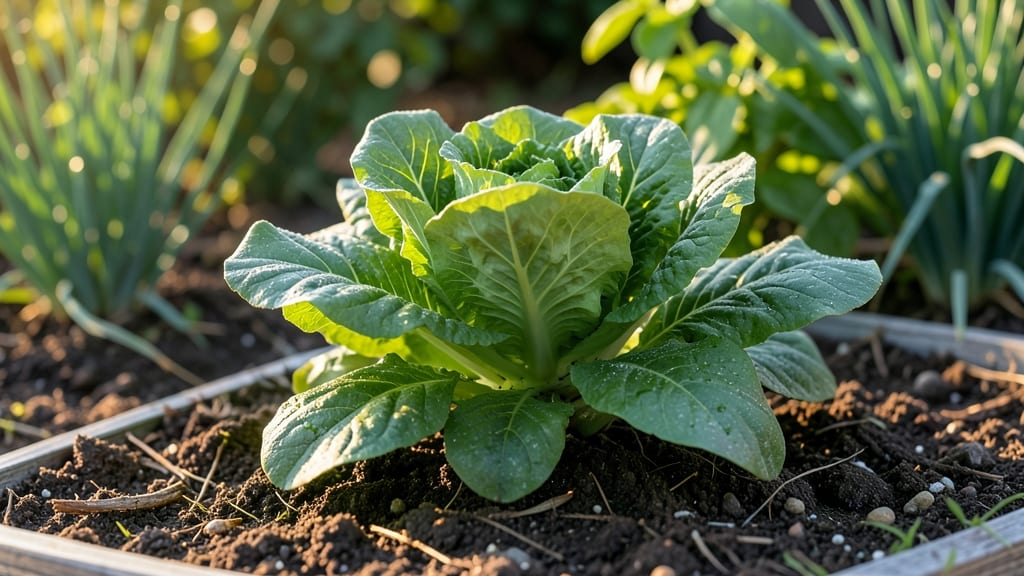
There’s nothing quite like the satisfaction of biting into homegrown lettuce 🥬—but how to grow a garden of this crisp, fresh produce is easier than you think. The good news?
You don’t need a sprawling backyard or years of gardening experience to grow your own—just a little space, the right techniques, and a willingness to learn.
Whether you’re working with a sunny windowsill, a small balcony, or even a raised bed, growing lettuce is one of the most rewarding (and easiest) ways to bring farm-fresh flavors to your kitchen.
The key is understanding the perfect conditions—from soil prep to watering schedules—that keep your plants thriving all season long.
In this guide, I’ll walk you through everything you need to know, from choosing the best lettuce varieties for your space to avoiding common pitfalls like pests and bolting. By the end, you’ll have a year-round supply of salad greens without the grocery store markup.
Ready to turn your tiny patch of dirt (or even a container) into a lettuce oasis? Let’s get started—your first harvest is just 45 days away!


Best lettuce varieties for year-round compact gardening
Choosing the right lettuce varieties is the first step to a thriving garden. For compact spaces, focus on fast-growing and cold-hardy types that fit your climate and harvest goals. Whether you have a balcony, windowsill, or small backyard plot, these varieties deliver big results with minimal space.
Lettuce falls into four main types: leaf, romaine, butterhead, and loose-leaf. Each has unique traits that make it ideal for specific growing conditions. For example, leaf lettuce grows quickly and can be harvested continuously, while romaine varieties stand tall and work well in containers.
Understanding these differences helps you plan for year-round harvests.
Here’s a breakdown of the best varieties for small spaces, including their growth habits, cold tolerance, and ideal planting times:
| Variety | Type | Days to Harvest | Cold Tolerance | Best For |
|---|---|---|---|---|
| Black Seeded Simpson | Leaf | 30-40 days | High | Cut-and-come-again |
| Romaine Little Gem | Romaine | 45-50 days | Moderate | Containers, salads |
| Buttercrunch | Butterhead | 50-60 days | Moderate | Sweet, tender leaves |
| Salad Bowl | Loose-Leaf | 28-35 days | High | Quick harvests, shade |
| Arkansas Wonder | Romaine | 55-60 days | High | Heat tolerance |
For year-round harvests, mix varieties with different maturity times. Plant leaf lettuce like Black Seeded Simpson every 2-3 weeks for a continuous supply. In warmer months, opt for heat-tolerant varieties like Arkansas Wonder, which thrive when temperatures rise.
In cooler climates, cold-hardy types like Salad Bowl keep producing even in light frost.
When selecting seeds, prioritize open-pollinated or heirloom varieties for better flavor and adaptability. Avoid hybrid seeds if you plan to save seeds for next year, as they often don’t reproduce true to type.
Always check the seed packet for days to maturity and spacing requirements to ensure your compact garden stays organized and productive.
Pro tip: Label your plants with plant markers or a small notebook to track varieties and harvest dates. This helps you rotate crops and maintain a steady supply of fresh lettuce throughout the growing season. 🌱
Next, we’ll dive into the step-by-step planting guide to maximize your lettuce yield, even in the smallest of spaces. Stay tuned for container selection, soil prep, and watering tips tailored to your lettuce varieties! 💧
Step-by-step planting guide for maximum lettuce yield in limited space
Starting your lettuce garden in small spaces requires smart planning. Whether you're using containers, raised beds, or even a windowsill, the key is maximizing vertical space and optimizing growing conditions. I’ve planted lettuce in everything from 6-inch pots to 4x8-foot raised beds—here’s what’s worked best for me.
First, choose containers with drainage holes and at least 6 inches of depth for each plant. Lettuce roots aren’t deep, but they need room to spread. I swear by self-watering planters for balcony gardens—they cut down on my watering chores by half.
If you’re using in-ground space, mark your rows with string lines to keep lettuce spaced 8-12 inches apart for leaf varieties or 12-18 inches apart for head types.