
Propagation
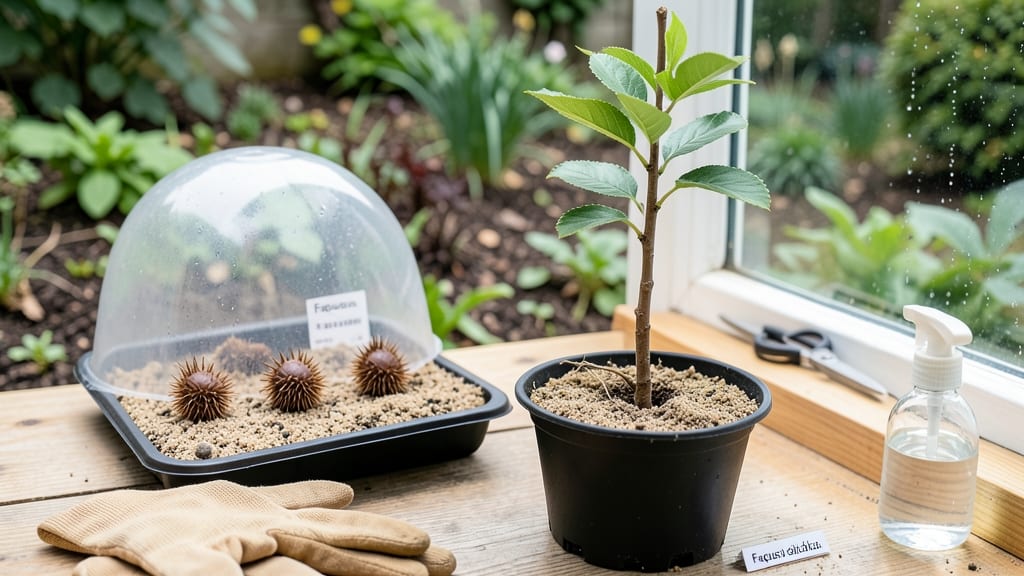
How to grow beech trees from seed takes three years of patience—but the payoff is worth it. 🌱 These majestic trees start small, but with the right approach, you'll nurture sturdy saplings that'll one day cast shade for generations. The key? Understanding their stubborn germination process and mimicking their natural forest conditions.
You'll need fresh beech seeds (store-bought ones often fail), a cold stratification setup (your fridge works), and a mix of sand and peat moss to prevent rot. Most gardeners rush this step, but beech seeds need 90-120 days of cold treatment before they'll even think about sprouting.
I learned that the hard way after my first batch of seeds just sat there, doing nothing.
Once sprouted, these seedlings grow painfully slow—expect just 2-4 inches the first year. But with proper care (partial shade, consistent moisture, and no transplant shock), you'll build a root system strong enough to handle outdoor life.
The real magic happens when they finally hit 3-5 feet tall, when their iconic lobed leaves start forming.
This method works for both American and European beech varieties, though European types prefer slightly cooler climates. If you're starting indoors, use a south-facing window or grow light—these seedlings hate being moved once they're established. The wait is long, but the reward? A tree that'll outlive you and your grandchildren.
📚 In This Guide
- What you need
- Instructions
- Tips and common mistakes
- Wrapping up and next steps
What you need
- ● Beech seeds: Fresh, mature nuts (avoid store-bought seeds—they’re often treated to prevent sprouting). Aim for 20–50 seeds to account for low germination rates.
- ● Stratification supplies: Moistened peat moss or coconut coir (enough to fill a quart-sized container or a sealed plastic bag).
- ● Plastic bag or airtight container (with small holes for airflow).
- ● Refrigerator (set to 35–40°F for cold stratification).
- ● Germination setup: Seed trays or small pots (with drainage holes; 3–4 inch diameter works well).
- ● High-quality seed-starting mix (lightweight, sterile, and well-draining).
- ● Misting bottle or spray nozzle (for gentle hydration).
- ● Growing environment: Grow lights or sunny windowsill (provide 12–16 hours of light daily).
- ● Humidity dome or plastic wrap (to retain moisture during early growth).
- ● Seed scarification tool: Sandpaper (medium-grit, 100–120 grit) to nick seeds if stratification fails.
- ● pH testing kit: To ensure your soil mix is slightly acidic (pH 5.5–6.5)—ideal for beech.
- ● Fertilizer: A balanced, water-soluble fertilizer (5-5-5 or 10-10-10) for young seedlings.
- ○ Heat mat: Optional for faster germination (70–75°F during the day).
- ● Label markers: To track seed varieties and planting dates!
Step-by-step instructions for growing beech trees from seed
Here’s how I’ve successfully sprouted beech saplings—no shortcuts, just patience and the right technique.
🌱 Step 1: Harvest and Stratify Seeds for Germination
Beech seeds need cold stratification to break dormancy. Collect fresh beech nuts in fall when they fall naturally—they won’t germinate if dried out. Place them in a paper towel-lined container, dampen lightly, and refrigerate for 90-120 days at 35-40°F. Check monthly to ensure they stay moist but not soggy. Real talk: Skipping stratification means waiting years, if ever, for germination.
After cold treatment, soak seeds in lukewarm water for 24 hours to soften the hard outer shell. This step is critical—without it, the seedling may never push through. I like to use a mesh bag for easy handling. Once softened, plant them ½ inch deep in a sterile seed-starting mix (never garden soil—it’s too dense). Water gently until the surface is damp, not drenched.
💧 Step 2: Create Ideal Germination Conditions
Beech seeds thrive in moist, warm conditions but hate excess water. Use a humidity dome or clear plastic wrap to maintain 80-90% humidity while keeping soil evenly damp (not wet). Place the container in a warm spot (65-70°F)—a seedling heat mat helps if your home runs cooler. Germination can take 4-12 weeks, so patience is key.
Watch for the first tiny root break through the soil—this is your cue to stop watering from above. Instead, use a spray bottle to mist the soil surface. Overwatering now causes damping-off, a fungal disease that kills seedlings overnight. I’ve lost batches this way, so I check soil moisture daily by pressing a finger into the mix. If it feels dry ½ inch down, it’s time to water.
☀️ Step 3: Transplant Seedlings to Individual Pots
Once seedlings reach 2-3 inches tall (usually 3-6 months after planting), transfer them to 4-inch pots with well-draining potting mix. Handle roots gently—they’re fragile. I use a wooden skewer to loosen soil around roots before lifting, which minimizes shock. Place each seedling 1 inch deep in its new pot, firming soil lightly around the base to eliminate air pockets.
Move pots to bright, indirect light (no direct sun yet). Beech saplings grow slowly at first, so don’t rush them. You’ll know they’re happy when new leaves unfurl bright green and glossy. If leaves yellow, they’re getting too much water—let the top ½ inch of soil dry out between waterings. This is where most beginners go wrong.
🌿 Step 4: Acclimate and Harden Off Saplings
Two weeks before outdoor planting, start hardening off seedlings. Place them outside in a shaded, sheltered spot for 1 hour the first day, gradually increasing time to full sun exposure over 10-14 days. This toughens stems and prevents transplant shock. I’ve seen saplings wilt dramatically if rushed—don’t make that mistake.
Choose a partially shaded, moist site for planting. Beech trees prefer well-draining, slightly acidic soil (pH 5.0-6.5). Dig a hole twice as wide as the root ball but no deeper. Water the hole before placing the sapling in, then backfill with native soil. Mulch with 2-3 inches of organic mulch (like wood chips) to retain moisture and suppress weeds. Keep soil consistently moist for the first year—young beech trees are drought-sensitive.
⏰ Step 5: Monitor Growth and Prune Strategically
Beech trees grow slowly—expect 6-12 inches per year in early years. Prune only to remove dead, diseased, or crossing branches in late winter. Never top the tree; beech trees respond poorly to heavy pruning. I use sterilized pruners to make clean cuts just above a bud. This encourages strong branching and prevents disease entry points.
Watch for leaf miner damage (thin, brown streaks on leaves)—a common issue in young beech trees. Treat with neem oil spray if needed. By year 3, your saplings should show vigorous new growth and begin developing their iconic wavy-edged leaves. That’s your reward for sticking with the process—beech trees are worth the wait.
Tips & tricks for germinating beech seeds
Patience and precision are your best tools when nurturing beech trees from seed—here's how to maximize your success.
Stratification Timing: The 3-6 month cold stratification period is non-negotiable for beech seeds, but you can start checking for readiness after 90 days. Look for a slight crack in the seed coat—this is your signal that dormancy has broken. I've found that seeds stratified at 36°F (right in the middle of the 32-40°F range) tend to germinate most reliably. Keep a small notebook to track which seeds show early signs of cracking, as this can indicate which ones are most viable.
Seedling Handling: In Step 3, when you're ready to transition seedlings to 4-inch pots, use a small trowel to carefully lift each seedling by its soil ball rather than grabbing the stem. Beech saplings have delicate root systems that can be easily damaged. I always water the pots thoroughly before transplanting—this helps reduce transplant shock by keeping the roots hydrated during the transition. Place the pots in a shaded area for the first 48 hours after transplanting to minimize stress.
Hardening Off Strategy: The gradual 2-week hardening process in Step 4 is crucial, but you can accelerate it slightly by placing seedlings in a sheltered outdoor spot with morning sun and afternoon shade. Start with just 1 hour of exposure on day one, then increase by 30 minutes each day. Watch for leaves that appear slightly wilted but perk up when watered—this is normal and indicates they're adjusting. If you notice persistent wilting, extend the acclimation period by another week.
Soil Mix Alternative: While the 50% perlite and 50% peat moss mix works well, you can substitute coconut coir for the peat moss if you prefer a more sustainable option. Coconut coir retains moisture similarly but breaks down more slowly. For even better drainage, consider adding a handful of coarse sand to the mix. This is especially helpful if you're working with heavy clay soil in your garden—it prevents waterlogging that can suffocate young roots.
Pro Tips for Grow Beech Trees From Seed
- Patience and precision are your best tools when nurturing beech trees from seed—here's how to maximize your success.
- Stratification Timing: The 3-6 month cold stratification period is non-negotiable for beech seeds, but you can start checking for readiness after 90 days.
- Seedling Handling: In Step 3, when you're ready to transition seedlings to 4-inch pots, use a small trowel to carefully lift each seedling by its soil ball rather than grabbing the stem.
Frequently asked questions
Got questions about growing beech trees from seed?
You’re not alone! Here are some of the most common concerns—and straightforward answers—to help your beech tree journey stay on track.
How long does it take for beech seeds to germinate?
Beech seeds are notoriously slow to germinate, often taking 12–18 months or longer! Stratification (cold treatment) is key—plant seeds in fall or store them in moist sand in the fridge for 6–12 months before expecting sprouts. Patience is a must!
Do I need to stratify beech seeds, and how?
Yes! Beech seeds require cold stratification to break dormancy. Mix seeds with moist sand or peat moss, then refrigerate (34–40°F) for 6–12 months. Alternatively, plant them outdoors in fall—they’ll naturally experience winter’s chill. No shortcuts here!
Can I grow a beech tree from seed indoors?
Indoors is possible, but beech trees thrive outdoors long-term. Start seeds in pots with well-draining soil, place them in a cool, bright spot (or under grow lights), and transplant seedlings outdoors after 2–3 years. Expect slower growth indoors due to limited space and light.
Why aren’t my beech seeds sprouting?
Common culprits:
- Insufficient stratification—try extending cold treatment.
- Poor moisture control—keep soil damp but not soggy.
- Old or damaged seeds—test freshness by cutting open a seed (white embryo = viable).
- Pests/fungus—inspect for mold or critters.
How big should my beech sapling be before transplanting?
Aim for 1–2 feet tall with a sturdy root system (2–3 years old) before moving it outdoors. Harden off seedlings gradually by exposing them to outdoor conditions for a few hours daily. Choose a permanent spot with full sun and well-drained soil—beech trees hate soggy roots!
Wrapping up and next steps
Growing beech trees from seed is a rewarding journey that connects you to nature’s patience and resilience.
With the right tools—like fresh seeds, a cold stratification trick, and a nurturing environment—you’ll soon watch tiny saplings transform into towering giants. Don’t let challenges discourage you: even the mightiest oaks started as a single seed!
Ready to take the next step? Plant your seeds today and give future generations a shady, stately tree to enjoy. 🌱 For extra tips, explore our guide on maintaining young beech saplings—your green thumb will thank you!