
Size
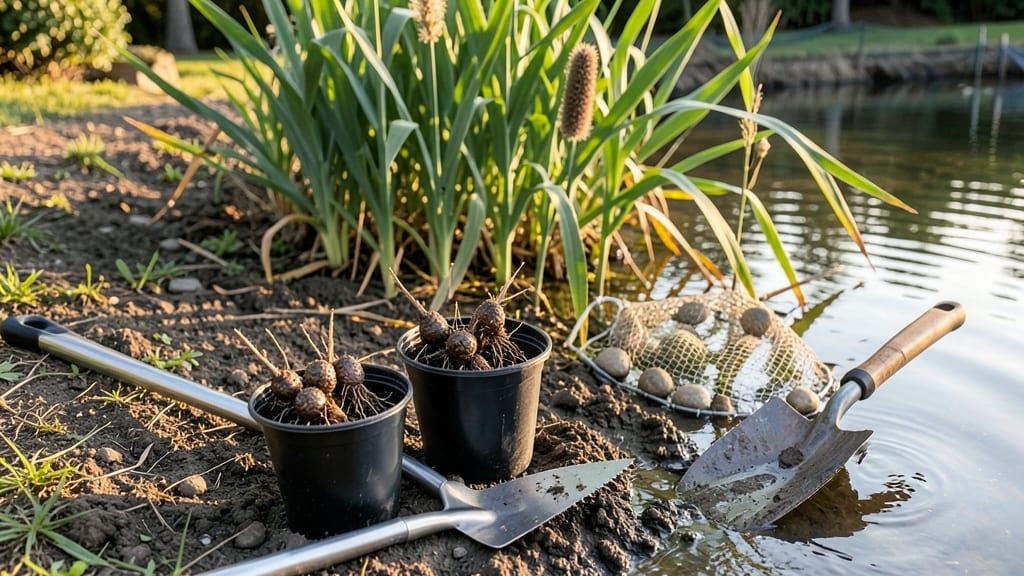
How to grow cattails in a pond transforms murky water into crystal-clear beauty. 🌿 These hardy wetland plants clean your pond naturally while providing habitat for birds and fish—no chemicals needed. My first batch took root within weeks, and now my pond thrives with fewer algae blooms and more wildlife activity. Start with shallow water (1–3 feet deep) and nutrient-rich soil at the bottom. Native varieties like Typha latifolia adapt best to local climates, while dwarf types work for smaller ponds. Plant rhizomes in spring or fall when water temperatures are mild, and you’ll see new shoots emerge within 2–4 weeks. Once established, cattails filter excess nutrients, reduce sediment, and even help control mosquitoes. They’re low-maintenance—just trim dead stalks in late winter to keep the pond looking fresh. The only challenge? Controlling their spread if you don’t want them overtaking the entire pond. Perfect for eco-conscious pond owners, wildlife enthusiasts, or anyone tired of chemical treatments. Here’s how to get started without the guesswork!
📚 In This Guide
- What you need
- Instructions
- Tips and common mistakes
- Wrapping up and next steps
What you need
- ● Cattail plants or seeds: For transplants: 3–5 mature cattails (Typha spp.), with healthy rhizomes and roots intact.
- ● For seeds: 1–2 oz of fresh cattail seeds (harvested from mature flower spikes).
- ● Pond location: Shallow water (1–3 ft deep) with full sun exposure (6+ hours/day).
- ● Soft, nutrient-rich soil or muddy pond bottom (cattails thrive in organic sediment).
- ● Tools: Garden trowel or pond planting tool (for transplanting).
- ● Gloves (to protect hands from sharp rhizomes).
- ● Rake or pond net (to clear debris from planting spots).
- ○ String or stakes (optional, for marking planting zones in larger ponds).
- ● Pond fertilizer (low-nitrogen, phosphorus-rich, like 5-10-5 ratio, for faster growth).
- ● Water testing kit (to monitor pH and nutrient levels—ideal range: pH 6.0–7.5).
- ● Floating pond plants (like water lilies) to reduce sunlight competition in crowded areas.
- ○ Pond dye (optional, to enhance aesthetics while maintaining cattail health).
Tips & tricks for thriving cattail growth in your pond
These hard-won insights will help your cattails establish strong, healthy stands with minimal effort—no green thumb required.
Location Intelligence: The 3-6 inch water depth range in Step 1 is non-negotiable, but here's what I've learned: Test your pond's depth with a ruler during the warmest part of the day when water levels are lowest. Cattails hate drying out, so avoid areas where evaporation might expose their crowns during summer heatwaves. I've seen them survive in 2 inches of water, but growth will be stunted—aim for that full 3-6 inch range for best results.
Rhizome Strategy: When dividing cattails in Step 2, look for divisions with at least 4 healthy shoots and white, fibrous roots—these are your powerhouses. I've found that planting 4 divisions in a cluster creates a more natural, dense stand faster than planting single divisions. For extra vigor, select rhizomes from the outer edges of established plants, as these tend to be more aggressive growers. Just remember: The crown must stay just below water's surface—this is critical for preventing rot while ensuring proper hydration.
Sunlight Optimization: The 6 hours of sunlight requirement in Step 1 is a minimum, not a maximum. In my experience, cattails grow most vigorously with 8-10 hours of direct sun. If your pond has partial shade, focus your planting along the sunniest edges where they'll get morning sun and afternoon light. I've noticed that cattails planted in full shade may take twice as long to establish—patience is key, but don't expect the same rapid growth.
Water Quality Watch: During those critical first 4-6 weeks in Step 3, keep an eye out for yellowing leaves which can indicate either too much direct sun or poor water quality. If your pond has murky water, cattails will help filter it naturally over time, but don't expect miracles—it can take 1-2 growing seasons for full filtration benefits. I've found that adding a few cattails to a new pond can actually improve water clarity faster than expected, as they help establish a balanced ecosystem.
Pro Tips for Grow Cattails In A Pond
- These hard-won insights will help your cattails establish strong, healthy stands with minimal effort—no green thumb required.
- Location Intelligence: The 3-6 inch water depth range in Step 1 is non-negotiable, but here's what I've learned: Test your pond's depth with a ruler during the warmest part of the day when water levels are lowest.
- Rhizome Strategy: When dividing cattails in Step 2, look for divisions with at least 4 healthy shoots and white, fibrous roots—these are your powerhouses.
Frequently asked questions
Got questions about growing cattails in your pond?
You’re not alone! Here are answers to the most common concerns—from planting tips to troubleshooting—so you can nurture these hardy plants with confidence.
How deep should the water be for cattails to thrive?
Cattails love shallow to moderately deep water—ideal depths range from 6 inches to 3 feet. They’ll grow in deeper water but may struggle to thrive. If your pond is deeper, plant them near the edges or use containers to control water levels.
When is the best time to plant cattails in a pond?
Spring or early summer is the best time to plant, when water temperatures are warm (above 50°F) and growth is active. Avoid planting in late fall or winter, as cold water can stunt root development. Divide mature plants in spring for faster establishment!
Are cattails invasive? Will they take over my pond?
While cattails spread quickly, they’re not considered invasive in most regions if managed properly. To prevent overgrowth, trim back seed heads before they release fluff or divide clumps every 2–3 years. They’re great for filtration but need space!
Can I grow cattails in a container instead of directly in the pond?
Use a waterproof container (like a bucket or pond basket) with drainage holes, filled with aquatic soil. Place it in 6–12 inches of water and ensure the container is heavy enough to stay submerged. Perfect for smaller ponds or renters!
Will cattails attract pests like mosquitoes?
No—they don’t attract mosquitoes! In fact, they’re natural pest deterrents by outcompeting mosquito larvae. However, stagnant water near cattails can breed pests, so ensure good circulation. A small fountain or aerator keeps things moving.
Do cattails survive winter in cold climates?
Yes! Cattails are hardy perennials and tolerate freezing temps (down to -20°F). In harsh winters, their foliage may die back, but roots survive. Cut back dead stalks in early spring to encourage fresh growth.
Wrapping up and next steps
Growing cattails in your pond isn’t just rewarding—it’s a game-changer for natural filtration, wildlife support, and even aesthetics! 🌿 With the right location, soil prep, and a little patience, these hardy plants will thrive and turn your pond into a self-sustaining ecosystem.
Start small, monitor their growth, and soon you’ll enjoy the many benefits they bring.
Ready to take the next step? Share your progress with fellow pond enthusiasts or explore how to integrate cattails into a larger wetland project. Your pond—and the environment—will thank you!