
Propagation
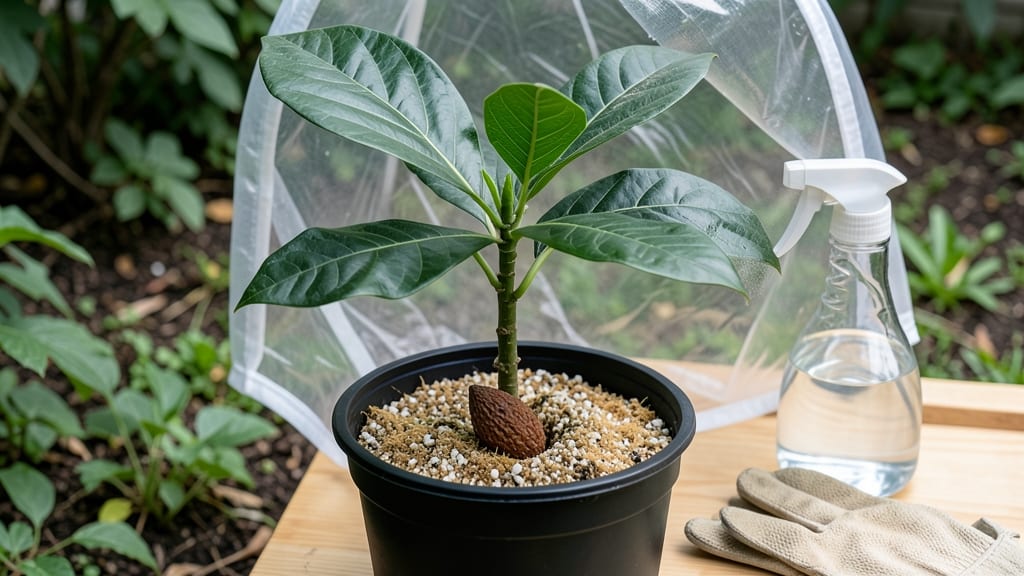
How to grow durian from seed is your ticket to the most rewarding—and pungent—gardening adventure. That first crack in the seed coat means you’ve won the durian lottery. 🌱 Growing durian from seed isn’t for the impatient—it’s a 10-year wait for fruit, but the journey starts with a single seed and a humid corner of the world. I’ve learned the hard way that these tropical giants demand warmth, patience, and a little rebellion against conventional gardening rules.
The secret isn’t just soil or sunlight—it’s humidity. Durian seeds need a greenhouse-like environment to germinate, and even after sprouting, they’ll test your commitment with slow growth. Most people quit when the seedling looks like a twig, but that’s when the magic begins.
With the right setup, you’ll see real leaves within 6-8 weeks, though the tree itself won’t mature for years.
What you’ll end up with is a 60-foot-tall tropical giant in your yard—if you’re lucky enough to live in a frost-free climate. The smell alone (love it or hate it) is worth the wait, but the real reward is watching it flower for the first time.
Durian trees are picky, but they’re not impossible. The key is consistency: water, warmth, and zero tolerance for cold drafts.
Fair warning: This isn’t a project for small spaces or short attention spans. But if you’ve got a sunny corner, a heat-loving soul, and the patience to outlast a decade of slow growth, you’re about to grow something most people only dream of.
Here’s how to start right—before the seed dries out.
📚 In This Guide
- What you need
- Instructions
- Tips and common mistakes
- Wrapping up and next steps
What you need
- ● Durian seed: 1–2 fresh, firm seeds (preferably from a ripe, organic durian). Pro tip: 💡 Choose seeds with minimal cracks or soft spots for better germination!
- ● Well-draining potting mix: 1 bag (1–2 cubic feet) of a blend like 50% coconut coir + 30% perlite + 20% compost. Avoid heavy clay soil.
- ○ Small pots or seed trays: 2–4 (4–6 inches in diameter) with drainage holes. Optional: Use biodegradable peat pots for easy transplanting!
- ● Plastic wrap or humidity dome: 1 sheet or cover to maintain moisture during germination.
- ● Spray bottle: 1 for gentle watering (avoid over-saturating the seed).
- ● Grow lights or sunny windowsill: Access to bright, indirect light (6+ hours/day) or a LED grow bulb for seedlings.
- ● Fertilizer (balanced, low-nitrogen): 1 small bottle of 5-5-5 or 3-4-6 NPK ratio (diluted to half-strength for young plants).
- ● Pruning shears or scissors: 1 pair for trimming leaves or roots if needed.
- ● Tropical environment: Warmth (75–90°F / 24–32°C) and high humidity (60%+). Pro tip: 🌡️ If indoors, use a humidifier or group pots together!
- ● Seed germination accelerator: 1 packet (e.g., Rootone) to speed up sprouting.
- ● Soil moisture meter: 1 to monitor hydration levels without overwatering.
- ● Support stake or trellis: 1–2 (for young seedlings to prevent toppling as they grow).
- ● Mulch (e.g., wood chips or straw): To retain moisture and regulate soil temperature.
- ● Durian care guidebook or app: For tracking growth stages and troubleshooting.
Step-by-step instructions for growing durian trees from seed
Here's how to nurture a tropical giant from a seed—patience and warmth are your best tools.
🌱 Step 1: Select and Prepare the Seed
Durian seeds are large and hard, so start by choosing a fresh, plump seed from a ripe fruit. The seed's outer shell is tough—scrub it clean with warm water to remove any remaining pulp, which can ferment and rot the seed. Let it dry completely in a warm, shaded spot for 3-5 days. This drying step prevents mold and prepares the seed for planting.
Once dry, inspect the seed for cracks or soft spots—these indicate damage. A healthy seed will feel firm and heavy. I like to soak the seed in warm water for 24 hours before planting. This softens the shell slightly and jumpstarts germination. Don’t soak longer, or the seed may absorb too much water and rot.
🪴 Step 2: Plant the Seed in a Well-Draining Medium
Use a 6-inch diameter pot filled with a mix of 50% coconut coir, 30% perlite, and 20% compost. Durian seeds need excellent drainage—waterlogged soil will kill the seed before it sprouts. Fill the pot halfway with the mix, then place the seed 1 inch deep, pointed end up, into the center. Gently press the soil around it to secure it without compacting.
Water lightly until the soil feels evenly moist but not soggy. Place the pot in a warm, humid environment—think 75-85°F—like a greenhouse or a sunny windowsill with a humidity tray underneath. Cover the pot loosely with plastic wrap to retain moisture, but leave a small gap for airflow. Check daily for condensation; if the wrap fogs up, remove it for a few hours to prevent fungal growth.
☀️ Step 3: Provide Warmth and Monitor Germination
Durian seeds can take 2-6 months to germinate, depending on temperature and humidity. Keep the soil consistently moist—never let it dry out completely, but avoid overwatering, which can suffocate the seed. Use a spray bottle to mist the soil lightly if the top inch feels dry. Place a small fan nearby on low setting to encourage airflow, which helps prevent rot.
Germination happens when you see a small white root emerge first, followed by a shoot breaking through the soil. This can take weeks, so stay patient. Once the shoot reaches 2 inches tall, remove the plastic wrap permanently. At this stage, move the seedling to a brighter location—indirect sunlight is best to avoid scorching the delicate leaves.
🌿 Step 4: Transplant and Care for the Young Seedling
After 3-4 months, when the seedling has 4-6 true leaves and a sturdy stem, it’s time to transplant. Choose a 1-gallon pot with fresh well-draining potting mix. Gently remove the seedling from its original pot, loosen the roots if they’re circling, and replant at the same depth it was growing before. Water thoroughly after transplanting to help the roots settle.
Durian seedlings need bright, indirect light—6-8 hours daily—but avoid direct midday sun, which can burn the leaves. If growing indoors, supplement with a grow light kept 12 inches away. Water when the top 1-2 inches of soil feel dry, but never let the pot sit in standing water. Fertilize lightly with a balanced liquid fertilizer (10-10-10) every 4-6 weeks during the growing season to encourage strong, healthy growth.
⏰ Step 5: Prepare for Outdoor Growth (If Possible)
Durian trees thrive in tropical climates with year-round warmth and high humidity. If you live in a suitable zone (USDA 10-12), you can gradually acclimate the seedling to outdoor conditions after 6-12 months. Start by placing it outside in a sheltered, shaded spot for 1-2 hours daily, then slowly increase exposure over 2-3 weeks. Harden it off completely before moving it to its permanent location.
Outdoor durian trees need full sun (6+ hours daily) and protection from wind. In colder climates, grow the tree in a large container and overwinter it indoors near a sunny window. Durian trees grow slowly—expect it to take 5-10 years before it produces fruit. But with patience and the right care, you’ll have a stunning tropical tree that’s the envy of any garden.
Tips & tricks for growing durian trees from seed
Patience and precision are your best allies when nurturing a durian tree from seed—here's how to avoid common pitfalls and boost success.
Seed Selection Insight: Choose seeds from fully ripe durians—unripe seeds often fail to germinate. Look for seeds that feel heavy and solid; if they rattle when shaken, they're likely hollow. I've found that seeds from the center of the fruit (where the pulp is thickest) germinate most reliably. After cleaning, let them dry for the full 3-5 days—skipping this step can lead to mold, which I learned the hard way after losing two seeds to fungal growth.
Soaking Strategy: The 24-hour warm water soak in Step 1 is non-negotiable for breaking dormancy. Use water around 85°F—warmer water speeds up the process slightly, but never exceed 90°F or you risk damaging the seed. Place a small weight on the seed to keep it submerged, and change the water halfway through if it gets cloudy. I've seen seeds soak up to 30% more water this way, which helps kickstart germination.
Germination Environment: Durian seeds need consistent warmth and humidity, but airflow is equally critical. I've had the best success using a clear plastic propagator box with a built-in humidity tray. Place a small fan on low setting near the box to prevent stagnant air, which can cause rot. The 75-85°F range is ideal—if your home runs cooler, consider using a seedling heat mat set to 78°F underneath the pot.
Transplant Timing: Wait until your seedling has 4-6 true leaves before transplanting in Step 4—this ensures it has enough energy to handle the stress. When repotting, use the same 50% coconut coir, 30% perlite, 20% compost mix to maintain drainage. I've found that gently scoring the roots with a sterilized knife if they're circling helps encourage outward growth when replanted. This small step makes a big difference in long-term tree health.
Pro Tips for Grow Durian From Seed
- Patience and precision are your best allies when nurturing a durian tree from seed—here's how to avoid common pitfalls and boost success.
- Seed Selection Insight: Choose seeds from fully ripe durians—unripe seeds often fail to germinate.
- Soaking Strategy: The 24-hour warm water soak in Step 1 is non-negotiable for breaking dormancy.
Frequently asked questions
Got questions about growing durian from seed?
You’re not alone—this tropical fruit is finicky but rewarding! Here are answers to the most common queries to help you navigate the process with confidence.
How long does it take for a durian seed to sprout?
A durian seed typically sprouts within 2–4 weeks if kept in warm, moist conditions (75–85°F). Patience is key—some seeds take up to 6–8 weeks. Avoid overwatering, as soggy soil can cause rot. Once the sprout breaks the surface, it’s time to transition to a pot!
When will my durian tree produce fruit?
Durian trees grown from seed are slow growers—expect fruit in 10–20 years or longer! For faster results, grafting (using a mature tree’s scion) cuts this timeline to 5–7 years. Choose a grafted tree if you’re eager for that iconic durian flavor!
Can I grow durian indoors?
Durian trees thrive outdoors in tropical climates (USDA zones 10–11) with full sun and high humidity. Indoors? Only as a houseplant in a bright, humid space (like a greenhouse) with supplemental grow lights. Expect stunted growth—outdoor planting is ideal for fruiting.
Why are my durian seedlings wilting or turning yellow?
Wilting or yellowing leaves usually signal overwatering, poor drainage, or pests. Let the top inch of soil dry between waterings, and ensure pots have drainage holes. Check for aphids or fungal spots—treat with neem oil if needed. A sunny spot (6+ hours/day) also prevents leggy, weak growth.
What’s the best climate for growing durian?
Durian trees love heat and humidity—think 75–90°F year-round with high rainfall (50+ inches annually). They’re sensitive to frost (below 32°F) and drought. If you’re in a cooler zone, grow it in containers and overwinter indoors or in a greenhouse.
Wrapping up and next steps
Growing durian from seed is a rewarding journey that blends patience with tropical gardening magic! 🌱 While it may take years to bear fruit, every step—from selecting the right seed to nurturing your sapling—builds a deeper connection to nature. Celebrate the process, and soon, you might just be the proud owner of a thriving durian tree!
Ready to take the next step? Start small—plant that seed today, and let your green thumb guide you toward a future harvest. Happy growing! 🌴