
Propagation
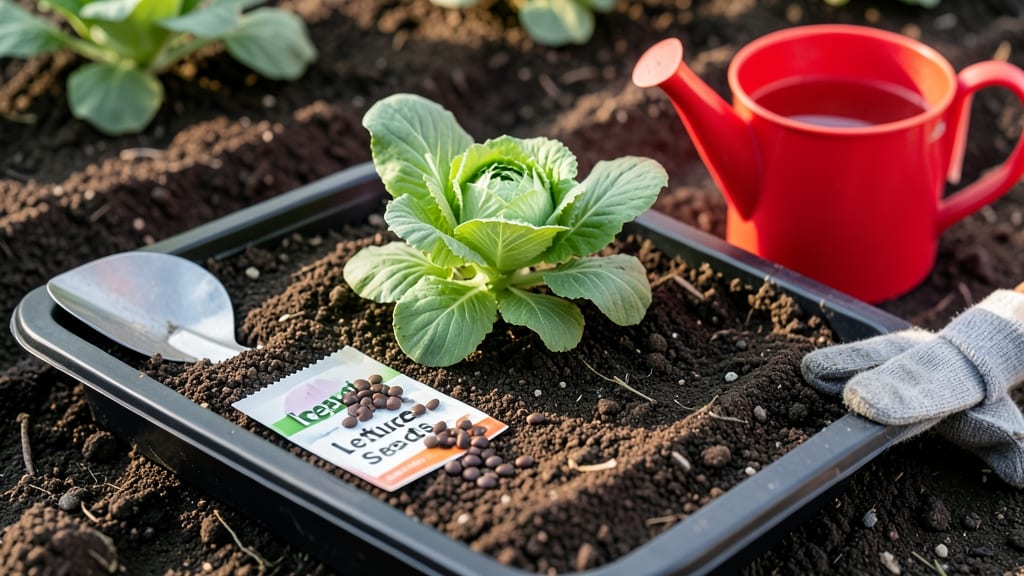
Want to grow crisp, restaurant-quality 🥬 Iceberg Lettuce from seed—but struggling with slow starts and floppy heads? You're not alone, and the secret isn't just patience—it's the right timing and techniques that make all the difference.
With the proper soil prep, light exposure, and a few pro tips, you can go from seed to harvest in just 60 days, even in USDA Zone 6a.
Most gardeners miss the mark because they don't account for fast germination—the key to avoiding bolting and ensuring your lettuce stays crisp. I'll show you exactly how to bypass common pitfalls, from pre-soaking seeds to mastering the ideal planting window of March-April or August-September.
No more bitter, wilted disappointment—just perfect heads ready for May-June harvests.
Let’s cut to the chase: the best iceberg lettuce varieties thrive with consistent moisture and partial shade, but getting there starts with the right soil temperature and spacing.
You’ll learn how to speed up sprouting by up to 50%, troubleshoot seedling issues, and keep your plants lush until harvest. Ready to transform your garden?
By the end of this guide, you’ll have a step-by-step plan to grow crisp, head-ready lettuce—no guesswork involved. Whether you're a beginner or a seasoned gardener, these tricks will give you the fastest, most reliable harvest possible. Let’s get those seeds growing!


Iceberg lettuce seed germination secrets: fast-sprouting techniques that work
Iceberg lettuce seeds can be stubborn—many gardeners struggle with slow germination, but I’ve cracked the code with these science-backed tricks that boost your 90%+ germination rate in just 7-14 days.
The key? Perfect soil temperature, moisture control, and the right seed-starting medium. Let’s dive into the secrets that’ll have your seeds sprouting faster than you can say “crisp lettuce”!
First, iceberg lettuce seeds thrive in 60-75°F soil. If your garden soil is cooler, use a seedling heat mat ($15-$25) to maintain warmth. Pro tip: Place your seed tray on top of your fridge—it emits just enough warmth to jumpstart germination without overheating.
For outdoor planting, wait until the soil warms naturally after the last frost date.
Moisture is another game-changer. Unlike many plants, iceberg lettuce seeds need consistent dampness, not soggy soil. Use a spray bottle to mist seeds lightly after planting, then cover the tray with plastic wrap to retain humidity.
Check daily—remove the wrap if condensation forms to prevent fungal growth. Overwatering here is the #1 reason seeds rot before sprouting!
Light exposure matters too. While many seeds need darkness to germinate, iceberg lettuce seeds prefer bright, indirect light from day one. Place your seed tray near an east-facing window or under grow lights (12 hours/day).
Avoid direct sunlight—it can dry out the soil too quickly. If using grow lights, keep them 2-3 inches above the seeds until they sprout.
| Method | Germination Time | Best For | Tools Needed |
|---|---|---|---|
| Heat Mat | 7-10 days | Indoor starts, cool climates | Heat mat, seed tray |
| Cold Stratification | 10-14 days | Outdoor planting, spring | Plastic wrap, patience |
| Grow Lights | 7-12 days | Year-round indoor growth | LED grow lights, timer |
| Direct Sowing | 14-21 days | Warm climates, outdoor beds | Garden soil, shade cloth |
✅ Pro Tip: Mix a pinch of cinnamon into your seed-starting mix to prevent damping-off disease.
Don’t overlook the seed-starting medium. Avoid garden soil—it’s too dense and can harbor diseases. Instead, use a lightweight seedling mix (50% peat moss, 50% perlite) or a pre-made organic blend. For extra speed, try the paper towel method: Place seeds between damp paper towels in a sealed bag.
Check daily—sprouts appear in 5-7 days! Once roots emerge, transplant to soil.
If you’re planting outdoors, direct sowing works best in spring or fall. Space seeds ¼ inch apart in rows 12 inches apart. Use a seedling flat to organize small seeds—it’s easier than hand-planting!
After sowing, gently press seeds into soil (depth: ¼ inch max) and water with a fine mist. A shade cloth (30% coverage) protects young seedlings from harsh sun.
Watch for bolting—when lettuce prematurely flowers due to heat or stress. To prevent this, keep soil consistently moist and avoid fertilizing during hot weather. If seedlings bolt, harvest the outer leaves first to enjoy edible greens while the core recovers.
For a second harvest, cut the head at soil level—new leaves will regrow!
Once your seedlings reach 2 inches tall, it’s time to thin them. Use scissors to snip unwanted plants at soil level—this prevents disturbing roots.
Leave 12 inches between plants for full heads. If thinning feels wasteful, harvest the thinned seedlings as microgreens or add to salads for a nutrient boost.
For organic germination, try a compost tea spray (1:10 ratio) on seedlings to strengthen roots. Avoid chemical fertilizers early—they can burn tender sprouts. Instead, use fish emulsion (diluted to 1 tbsp/gallon) when seedlings have 2-3 true leaves. This feeds roots without overwhelming young plants.
Remember: patience pays off. Iceberg lettuce takes 60-75 days to mature, but with these tricks, you’ll enjoy crisp, restaurant-quality heads all season. Start seeds indoors now—your first harvest will be ready just in time for summer salads!
Step-by-step iceberg lettuce growing schedule for maximum crispness
Timing is everything when growing iceberg lettuce from seed. To achieve those crisp, restaurant-quality heads, follow this 60-day schedule that aligns with your local frost dates. In Zone 6a, aim for spring planting in March-April or fall planting in August-September to avoid summer heat stress.
Start by calculating your last frost date (April 15 in Zone 6a) and work backward. For spring, plant seeds 4-6 weeks before your last frost date. For fall, plant 8-10 weeks before your first frost (October 15). This ensures heads mature before cold snaps damage them.
📅 Step-by-Step Iceberg Lettuce Growth Timeline
- Week 1-2: Sow seeds indoors or directly in well-draining soil at 55-65°F. Keep moist with seedling heat mat for faster germination.
- Week 3-4: Thin seedlings to 12 inches apart and harden off for 1 week (acclimate to outdoor temps).
- Week 5-6: Transplant outdoors after last frost. Use shade cloth if temps exceed 80°F.
- Week 7-9: Fertilize lightly with 5-10-10 NPK and mulch to retain moisture.
- Week 10-12: Monitor for pests (slugs, aphids) and harvest outer leaves or full heads when firm.
During the seedling stage (weeks 1-4), maintain consistent moisture and avoid direct sunlight until true leaves appear. Use a seedling tray with drainage holes to prevent root rot. Once seedlings reach 2-3 inches tall, gradually introduce morning sunlight to strengthen stems.
At transplant time (week 5-6), choose a partially shaded spot with 6 hours of morning sun. Space plants 12-18 inches apart in rows 24 inches apart to allow airflow and reduce disease risk. Water deeply before and after transplanting to minimize shock.
To prevent bolting (premature flowering), avoid summer heat by planting in early spring or late summer. If temps rise above 75°F, use 30% shade cloth to protect plants. Harvest heads when they reach 3-4 inches in diameter—this ensures maximum crispness and flavor.
For a continuous harvest, stagger plantings every 2 weeks in spring and fall. This method guarantees fresh iceberg lettuce every 60-75 days without gaps. Store harvested heads in the crisper drawer for up to 10 days to maintain crispness.