
Size
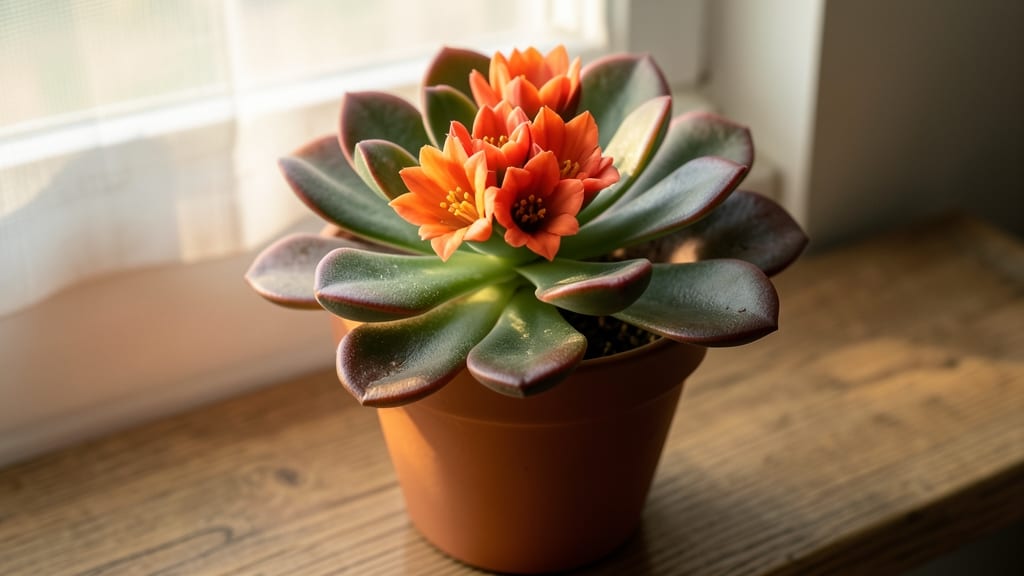
How to grow a kalanchoe plant feels like nurturing tiny sunbeams in pots. 🌿 These succulents reward you with vibrant blooms and easy care—once you understand their simple needs. My first kalanchoe lasted years because I learned to mimic its natural desert environment, and you can too.
The secret to thriving kalanchoes is bright light, minimal water, and well-draining soil. Most people overwater, turning their plants into sad, mushy messes. I use a mix of cactus soil and perlite to keep roots happy, and I only water when the top inch feels completely dry.
That’s it—no complicated schedules or fancy tools.
You’ll see those signature blooms within weeks if you get the light right. My plant bursts into red and pink flowers every spring, and the foliage stays thick and glossy.
The best part? Propagating is effortless—just snip a leaf, let it callus, and plant it in soil. New plants grow in 4-6 weeks with no fuss.
Even in small spaces, kalanchoes thrive on windowsills or under grow lights. They’re the perfect low-maintenance plant for busy people or beginners who want color without the hassle. Let’s get yours growing strong!
📚 In This Guide
- What you need
- Instructions
- Tips and common mistakes
- Wrapping up and next steps
What you need
- ● Kalanchoe plant: A healthy cutting or young plant (check for plump leaves and no signs of pests).
- ● Well-draining potting soil: Use a cactus or succulent mix (avoid regular garden soil—it retains too much moisture!).
- ● Pot with drainage holes: Choose a container 1-2 inches larger than the plant’s root ball (terracotta or ceramic works best).
- ● Gravel or perlite: A layer of ½ inch at the pot’s bottom to improve drainage.
- ● Watering can or spray bottle: For gentle hydration (no soggy roots here!).
- ● Pruning shears or clean scissors: For trimming leaves or stems (sterilize with rubbing alcohol!).
- ○ Gloves (optional): To protect your hands from sap or soil.
- ● Fertilizer: A balanced, diluted succulent fertilizer (use every 2-3 months in spring/summer).
- ● Grow lights: If your space lacks bright, indirect sunlight (LED grow lights work great!).
- ● Peat pellets or coco coir: For propagating cuttings (just add water to expand!).
- ● Decorative stones or mulch: To add flair to your pot and retain minimal moisture.
Step-by-Step instructions for growing Kalanchoe plants
These vibrant succulents thrive with minimal fuss—just follow my foolproof method for happy, blooming plants.
🪴 Step 1: Choose the Right Container and Soil
Kalanchoe plants need excellent drainage, so select a pot with drainage holes at least 4-6 inches deep for each plant. Terra cotta works best because it breathes and prevents root rot. I like to use cactus or succulent mix—it’s gritty and drains fast, which is exactly what Kalanchoe craves.
Fill the pot 1/3 full with the mix, then tap it gently to settle. The soil should feel dry to the touch at first—Kalanchoe roots rot easily in soggy conditions. If your mix is too dense, add 20% perlite or coarse sand to improve airflow.
☀️ Step 2: Position for Bright, Indirect Light
Place your Kalanchoe near a south- or west-facing window where it gets 4-6 hours of bright, indirect light daily. Direct midday sun can scorch the leaves, turning them yellow or brown. You’ll know the light is right when the leaves stay plump and vibrant—not stretched or pale.
If your space is low-light, supplement with a grow light kept 6-12 inches away for 12-14 hours a day. Avoid LED bulbs that emit too much heat—Kalanchoe prefers cool light. Rotate the pot quarter-turn weekly so the plant grows evenly toward the light.
💧 Step 3: Water Sparingly and Only When Needed
Water your Kalanchoe only when the top 1-2 inches of soil feel completely dry—usually every 2-3 weeks in warm weather. Stick your finger in the soil: if it’s damp below the surface, wait longer. Overwatering is the #1 killer of these succulents, so always err on the side of underwatering.
When you do water, pour slowly until it drains freely from the bottom. Empty the saucer 10 minutes later—standing water suffocates roots. In winter, cut back to once a month or less, as growth slows dramatically in cooler months. Yellowing leaves? That’s your cue to cut back on water.
✂️ Step 4: Prune and Encourage Blooming
Pinch back leggy stems in early spring to encourage bushier growth. Use clean scissors to snip just above a leaf node—this triggers new branching. Deadhead spent flowers by cutting the stem back to the base. I also remove any yellow or damaged leaves with the same tool to keep the plant looking fresh.
To trigger blooming, give your Kalanchoe 12-14 hours of darkness daily for 6-8 weeks before you want flowers. Cover the plant with a box or move it to a closet at night. This mimics winter conditions, and you’ll see buds form in 4-6 weeks. Avoid fertilizing during this time—focus on light and water only.
🌱 Step 5: Propagate for More Plants
Kalanchoe spreads easily from leaf or stem cuttings. Snip a healthy leaf or a 3-4 inch stem with a clean knife, then let it callus over for 1-2 days in a dry, shady spot. This prevents rot when you plant it. Place the cutting on top of dry soil (no water!) in a small pot.
Keep the cutting in bright, indirect light and mist lightly once a week. Roots will form in 2-4 weeks—you’ll see tiny roots peeking from the soil surface. Once rooted, treat it like a mature plant. I’ve doubled my collection this way, and it’s completely free!
Tips & tricks for perfect Kalanchoe plant care
Here's what nobody tells you about keeping your Kalanchoe thriving—these little details make all the difference.
Soil Mix Matters: The cactus or succulent mix mentioned in Step 1 is non-negotiable, but here's the secret: mix in a handful of chicken grit or pumice stones for even better drainage. I've found this prevents that dreaded soggy soil issue, even when I get distracted and forget to water on schedule. The extra grit creates air pockets that keep roots happy and healthy.
Light Positioning: That 4-6 hours of bright, indirect light in Step 2 needs a little extra attention. If your windows face north, you'll need to supplement with a grow light for at least 6 hours daily—Kalanchoe won't tolerate low light. And here's a pro move: place your plant on a rotating tray (yes, they exist!) to ensure even growth without manual quarter-turns every week.
Watering Wisdom: The "top 1-2 inches dry" rule in Step 3 is golden, but I've learned the hard way about the 10-minute saucer drain. Use a shallow saucer with drainage holes or place pebbles in the bottom to create a natural barrier. This prevents root rot while still allowing excess water to escape—it's a game-changer for winter care when growth slows dramatically.
Blooming Hack: For that 6-8 week darkness treatment in Step 4, I've found using blackout curtains instead of a box gives more consistent results. The key is complete darkness—even a tiny crack of light can prevent bud formation. And here's a bonus: once you see buds, move the plant back to normal light conditions immediately to prevent bud drop.
Pro Tips for Grow Kalanchoe Plant
- Here's what nobody tells you about keeping your Kalanchoe thriving—these little details make all the difference.
- Soil Mix Matters: The cactus or succulent mix mentioned in Step 1 is non-negotiable, but here's the secret: mix in a handful of chicken grit or pumice stones for even better drainage.
- Light Positioning: That 4-6 hours of bright, indirect light in Step 2 needs a little extra attention.
Frequently asked questions
Got questions about growing your Kalanchoe? You’re not alone! Here are answers to the most common queries—from propagation to pests—so you can keep your succulent thriving with confidence.
How often should I water my Kalanchoe plant?
Kalanchoe is drought-tolerant, so water only when the top 1–2 inches of soil are completely dry. Overwatering is the #1 killer—stick to every 2–3 weeks (less in winter). Use well-draining soil and a pot with drainage holes to prevent root rot.
Can I grow Kalanchoe from a leaf cutting?
Snip a healthy leaf, let it callus for 1–2 days, then place it on dry soil. Mist lightly until roots form (4–6 weeks). For faster results, use a rooting hormone or propagate in water until roots sprout. Pro tip: Use a mature leaf for better success!
What are the most common pests for Kalanchoe, and how do I treat them?
Watch for mealybugs (cottony clusters) or aphids (tiny green pests). Wipe leaves with soapy water or spray with neem oil. For severe infestations, isolate the plant and repeat treatment every 3–5 days. Prevention: Keep your Kalanchoe dust-free and avoid overwatering.
How cold can Kalanchoe tolerate before it dies?
Kalanchoe thrives in USDA zones 9–11 but can handle brief dips to 40°F (4°C). Below 30°F (-1°C), damage occurs. Move potted plants indoors or cover them if frost is forecasted. Winter care: Reduce watering and provide bright, indirect light.
Why aren’t my Kalanchoe flowers blooming?
Blooms need 12+ hours of darkness daily for 6–8 weeks (try a dark closet!). Ensure your plant gets bright, indirect light (south-facing window) and avoid fertilizing during bloom time. Yellow leaves? Check for overwatering or nutrient deficiencies.
Can I grow Kalanchoe outdoors year-round?
In warm climates (zones 9–11), yes! But in cooler areas, move it indoors or to a sheltered spot in summer. Key tip: Harden off potted plants gradually to avoid shock. If frost is possible, bring it inside—Kalanchoe loves warmth but hates cold snaps.
Wrapping up and next steps
Growing a kalanchoe plant is a rewarding journey that brings vibrant blooms and low-maintenance beauty to your space! With the right light, soil, and care, these succulents thrive effortlessly—making them perfect for beginners and seasoned plant parents alike. 🌱✨
Now that you’re armed with tips on watering, propagation, and troubleshooting, it’s time to roll up your sleeves and watch your kalanchoe flourish. Start small—pick a sunny spot, grab a pot, and let nature do the rest. Happy growing! 🌞