
Propagation
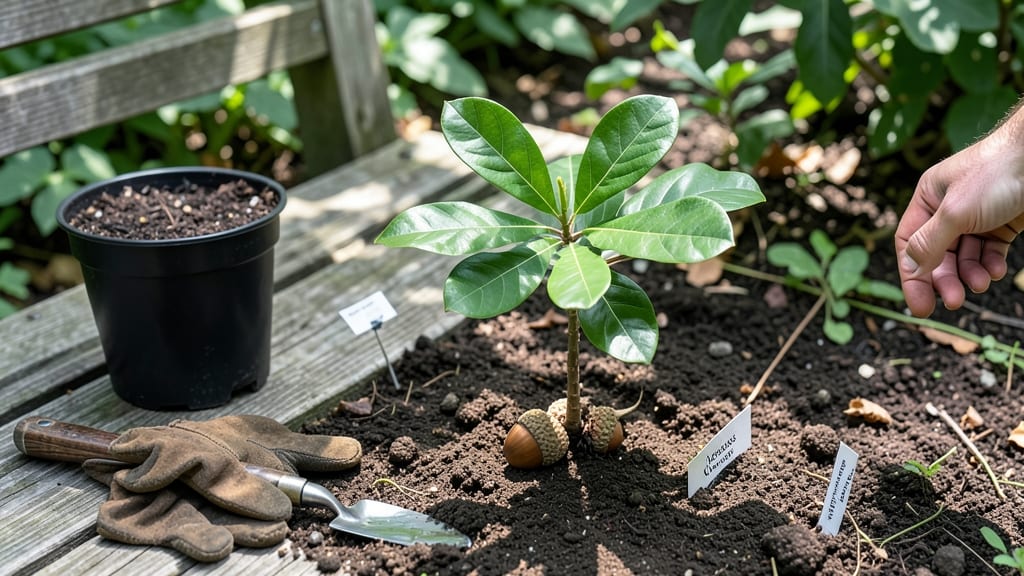
How to grow live oak trees from acorns means planting tomorrow’s shade giants today. 🌱 I’ve watched these stubborn little seeds transform into towering trees—it’s a 20-year commitment, but the payoff is worth every season of waiting. The key? Picking the right acorns and giving them the cold treatment they need to break dormancy.
You’ll need fresh, plump acorns from mature trees (avoid those with holes—they’re already infested). After collecting, soak them in water for 24 hours, then stratify them in a damp mix of sand and peat for 90-120 days in the fridge.
This mimics winter’s chill, tricking the seed into thinking it’s time to grow. Plant them shallowly in well-draining soil once they’ve sprouted, and keep them moist but never soggy.
Once in the ground, live oak seedlings grow slowly—expect just 6-12 inches the first year. But with full sun and deep watering (1-2 inches per week), they’ll develop into sturdy saplings.
By year 5, you’ll see real height gains, and by 10 years, they’ll cast shade like a veteran. The trick is patience; these trees aren’t built for speed, but for strength.
Common mistakes? Overwatering (root rot is real) or planting too deep (the root needs to breathe). If your acorns don’t sprout after stratification, try again—the right seed is worth the wait.
This isn’t a quick project, but it’s one that connects you to the land in a way few others do.
📚 In This Guide
- What you need
- Instructions
- Tips and common mistakes
- Wrapping up and next steps
What you need
- ● Mature live oak acorns: 3–5 (ensure they’re plump and free of cracks or mold). Pro tip: 💡 Collect them in late fall after they’ve dropped naturally.
- ○ Well-draining potting mix: 1–2 bags (look for a blend labeled for seedlings or oak trees). Optional: Mix in perlite or sand (20% of the total volume) for extra drainage.
- ● Small pots or seed trays: 3–5 (4–6 inches deep with drainage holes). Budget tip: 💰 Repurpose yogurt cups with holes punched in the bottom!
- ● Plastic wrap or humidity dome: 1 sheet (to retain moisture during germination).
- ● Spray bottle: 1 (for gentle watering).
- ● Plant labels & marker: 1 set (to track acorn sources and planting dates).
- ● Cold stratification setup: A refrigerator with a crisper drawer (for pre-treatment if acorns aren’t fresh).
- ● Heating mat: 1 (to speed up germination in cooler climates).
- ● Fertilizer (balanced, low-nitrogen): 1 small bag (e.g., 5-5-5 or compost tea). Wait until seedlings sprout!
- ● Outdoor nursery area: Shaded spot with partial sun (for hardening off seedlings).
- ● Gloves: 1 pair (acorns can stain and are slippery when wet!).
- ● Patience: Live oak germination can take 1–3 months (or longer!).
- ● Warmth: Ideal germination temp: 70–80°F (21–27°C).
- ● Space: Mature live oaks need 60+ feet of width—plan ahead!
- ● Local climate check: Live oaks thrive in USDA Zones 6–10. Verify your zone!
Step-by-step instructions for growing live oak trees from acorns
Here's how to nurture acorns into towering live oaks with minimal fuss.
🌱 Step 1: Collect and Stratify Acorns for Germination
Gather mature acorns from healthy live oak trees in late fall—look for plump, intact nuts with no cracks. Store them in a moist paper towel inside a sealed plastic bag in the refrigerator for 90-120 days to mimic winter conditions. This cold stratification breaks dormancy so the seed knows spring is coming. I like to label each bag with the collection date since germination timing varies.
Check the acorns monthly by gently squeezing—they should feel firm but not hard. Soft spots mean they're rotting and should be discarded. Once you see tiny cracks or sprouts after 3-4 months, they're ready to plant. Real talk: some acorns take longer, so don't rush the process.
🪴 Step 2: Plant Stratified Acorns in Containers
Fill 4-inch deep containers with a mix of 50% potting soil and 50% perlite to ensure good drainage. Plant each acorn 1 inch deep, pointy end up, in its own pot—crowding leads to weak seedlings. I use small plastic pots because they're easy to move and protect young roots from disturbance.
Water gently until moisture reaches the bottom of the container, then place the pots in a shady spot with indirect light. Keep the soil consistently moist but never soggy—live oak seedlings hate wet feet. You'll see the first true leaves (not the initial cotyledons) emerge in 4-8 weeks, signaling successful germination.
☀️ Step 3: Transition Seedlings to Outdoor Conditions
Once seedlings have 3-4 sets of true leaves and are at least 6 inches tall, move them outside to a partially shaded area for 2-3 hours daily. Gradually increase their sun exposure over 2 weeks to avoid leaf scorch. Live oaks need full sun as mature trees, but young seedlings burn easily in intense afternoon light.
By late spring, when nighttime temperatures stay above 50°F, you can plant them in the ground or larger containers. Dig a hole twice as wide as the root ball but only as deep—planting too deep suffocates the roots. Water deeply after transplanting to help settle the soil around the roots.
🌿 Step 4: Maintain Young Live Oak Trees
Water newly planted seedlings once a week during dry spells, focusing on the root zone. Over time, reduce watering to every 2 weeks as the tree establishes deeper roots. Live oaks are drought-tolerant once established, but young trees need consistent moisture to develop strong root systems.
Fertilize lightly in early spring with a balanced, slow-release fertilizer (10-10-10) to encourage steady growth. Avoid heavy-handed feeding—live oaks grow slowly but steadily, and too much fertilizer leads to weak, fast-growing wood that snaps easily. Prune only to remove dead or crossing branches; live oaks shape themselves naturally over time.
⏰ Step 5: Protect and Monitor for Long-Term Growth
Watch for signs of stress like yellowing leaves or wilting—these often indicate overwatering or poor drainage. Live oaks thrive in well-draining soil, so amend heavy clay with compost if needed. Mulch around the base with 2-3 inches of organic mulch, keeping it 6 inches away from the trunk to prevent rot.
Be patient—live oaks grow 1-2 feet per year under ideal conditions. It takes 10-15 years for a seedling to reach 20 feet, but the wait is worth it. I've seen acorns I planted as a kid now providing shade for my entire backyard. The key is consistency: water, light, and time will turn your tiny acorn into a mighty oak.
Tips & tricks for growing live oak trees from acorns
Here's what I learned after watching my first acorns grow into towering oaks—tricks that'll help you avoid common pitfalls and maximize success.
Stratification Insight: Don't skip the monthly checks during the 90-120 day stratification period. I learned this the hard way after losing a batch to mold—always squeeze gently to test firmness. If you're short on time, you can extend stratification to 150 days, but don't rush it. The seed needs this dormancy break to know spring has arrived.
Container Selection: While the instructions specify 4-inch deep containers, I've found that slightly wider pots (5-inch diameter) give roots more room to establish without overcrowding. This prevents the need for early transplanting, which can stress young seedlings. Just make sure the extra width doesn't compromise drainage.
Light Transition Strategy: When moving seedlings outdoors in Step 3, start with just 1 hour of morning sun rather than the full 2-3 hours. This gradual approach prevents sunburn on delicate new leaves. I've seen seedlings develop brown patches when moved too quickly—better to be patient during this transition.
Watering Wisdom: The key to consistent moisture is checking soil depth. Stick your finger 1-2 inches into the soil—if it feels dry at that depth, it's time to water. Overwatering is just as damaging as underwatering, especially during the 4-8 week germination phase when roots are developing.
Pro Tips for Grow Live Oak Trees From Acorns
- Here's what I learned after watching my first acorns grow into towering oaks—tricks that'll help you avoid common pitfalls and maximize success.
- Stratification Insight: Don't skip the monthly checks during the 90-120 day stratification period.
- Container Selection: While the instructions specify 4-inch deep containers, I've found that slightly wider pots (5-inch diameter) give roots more room to establish without overcrowding.
Frequently asked questions
about growing live oak trees from acorns—because even the mightiest oaks start small! Here’s what you’ve been wondering:How long does it take for an acorn to sprout into a tree?
Patience is key! Acorns can take anywhere from 2 to 6 weeks to sprout indoors, depending on moisture and warmth. Once planted outdoors, it may take 1–2 years for the first true leaves to appear, and 10–20 years to reach maturity. Live oaks grow slow but strong—think of it as a long-term investment in shade!
Can I plant acorns directly in the ground in fall or winter?
Yes! Live oak acorns are cold-stratified naturally—plant them 6–12 inches deep in well-draining soil after harvest (fall/winter) for the best germination. If your climate is mild, they’ll sprout in spring. In colder zones, a thick mulch layer protects them until warmer weather. No need for fancy setups—Mother Nature’s got your back!
Why aren’t my acorns sprouting? Troubleshooting tips!
If your acorns refuse to sprout, check these common issues:
- Dormancy: Live oak acorns need moisture + cold (stratification). Skip this step, and they’ll sleep forever.
- Rot: Overwatering or soggy soil = moldy acorns. Keep them lightly moist (like a damp sponge).
- Bad acorns: Not all acorns are viable. Test-float them—sinkers are winners; floaters are duds.
- Pests: Mice or insects may snack on your acorns. Store them in a mesh bag or fridge until planting.
What’s the best location to plant a young live oak seedling?
Live oaks love space and sunlight! Plant seedlings in:
- Full sun: At least 6+ hours of direct light daily (they thrive in heat!).
- Well-draining soil: Sandy or loamy soil with good aeration (avoid clay).
- Wide-open areas: Give them 30–50 feet of clearance—they’ll grow 60–80 feet tall with wide canopies!
Is it better to grow live oaks from acorns or buy nursery trees?
Both have pros! Growing from acorns is cheaper and rewarding (plus, you’re nurturing a local ecosystem), but it’s slow. Nursery trees are faster-growing and disease-resistant, but they’re pricier. If you’re patient and want a genuine, hardy oak, acorns win. Need shade now? Nursery trees are the way to go!
Wrapping up and next steps
Growing a live oak from an acorn is a rewarding journey that blends patience with the joy of nurturing nature’s grandeur. 🌳 With the right preparation—from selecting healthy acorns to providing consistent care—you’re not just planting a seed; you’re cultivating a legacy for future generations.
Once your sapling is thriving, consider transplanting it to a permanent home in your yard or a community space where it can flourish for centuries.
Ready to take the next step? Share your progress with fellow gardening enthusiasts or explore advanced techniques like grafting to diversify your oak collection. Every acorn you plant today could become a towering symbol of resilience tomorrow!