
Propagation
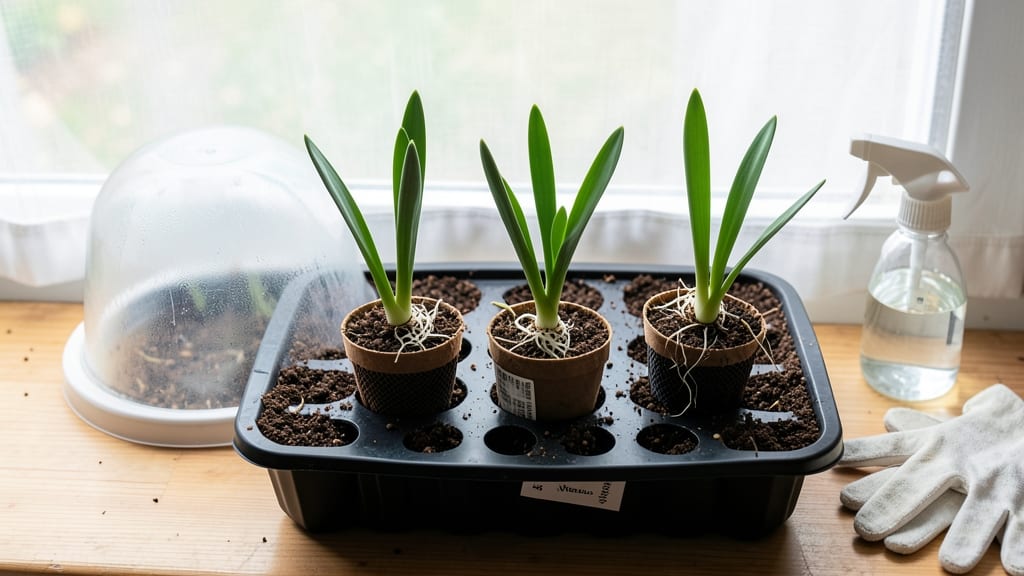
Growing narcissus from seeds is how to grow narcissus from seeds that rewards you with blooms that feel like spring magic. ✨ I’ve grown them from seed three times now, and each time, the first tiny sprouts feel like a secret shared only with the soil.
The key? Starting them in fall—when most gardeners are tucking in bulbs—so they’ll bloom in their third or fourth year instead of the usual two.
You’ll need fresh seeds (they lose viability fast), a shallow tray, and a gritty soil mix that drains like a sieve. Plant them just ¼-inch deep, barely covering their size, and keep them cool—like a refrigerator’s crisper drawer—until spring.
The wait is the hardest part, but those first green shoots pushing through in late winter? Worth every moment.
By summer, your seedlings will look like tiny grass clumps, but don’t rush to transplant. Wait until they’ve built roots for a full season, then move them to a sunny spot with well-draining soil.
They’ll take 2-3 years to flower, but the first blooms? They’ll be worth the patience—think delicate cups of gold and white, exactly like the ones you admired in spring.
Here’s the secret no one tells you: the best narcissus from seed come from hybridizers’ leftovers. Check seed swap groups or specialty bulb catalogs for heirloom varieties—they’re often cheaper and more exciting than store-bought bulbs.
And if your seeds don’t sprout? Try again. Some years, the soil just needs to be in the mood.
📚 In This Guide
- What you need
- Instructions
- Tips and common mistakes
- Wrapping up and next steps
What you need
- ● Narcissus seeds: 10–20 seeds (fresh or stored properly; avoid hybrid seeds—stick to open-pollinated varieties like Narcissus poeticus or Narcissus jonquilla for best results).
- ● Seed-starting mix: 2–3 cups of sterile, well-draining potting mix (look for a blend labeled for bulbs or seeds, or mix 50% peat moss with 50% perlite or coarse sand).
- ● Small containers: 4–6 biodegradable pots (2–3 inches deep) or
- ● A shallow tray (like a seedling flat) with drainage holes.
- ● Grow lights or sunny windowsill: A full-spectrum LED grow light (12–16 hours/day) or a south-facing window with bright, indirect light.
- ● Misting bottle: For gentle watering (avoid soaking the seeds!).
- ○ Plastic wrap or humidity dome: To create a mini greenhouse effect (optional but helpful for germination).
- ○ Spray bottle with fungicide: Optional but recommended to prevent damping-off (use a mild solution like 1 tsp hydrogen peroxide per cup of water).
- ● Temperature: Keep seeds in a cool, dark place (60–70°F) for the first 4–6 weeks (stratification mimics winter conditions).
- ● Light: Once sprouted, provide 12+ hours of light daily (grow lights work best for consistent growth).
- ● Patience: Narcissus seeds take 8–12 months to bloom—plan ahead! 🕰️
- ● Label everything! Use toothpicks or plant tags to track varieties—seedlings look alike at first! 📝
- ● No overwatering: Keep soil moist but not soggy; narcissus seeds rot easily. 💧
- ● Gradual hardening: After 6 weeks, expose seedlings to outdoor temps for 1–2 hours daily to toughen them up. 🌿
Step-by-step instructions for growing narcissus from seeds
Here's how to nurture tiny seeds into showstopping spring blooms—just give them time and steady care.
🌱 Step 1: Collect and Prepare Fresh Seeds
Harvest seeds from healthy narcissus pods when they turn brown and dry but before they split open. I like to collect them in late summer after blooms fade—this ensures maximum viability. Place the pods in a paper bag and let them dry completely for 2-3 weeks in a warm, dry spot. Once dry, gently squeeze the pods to release the flat, winged seeds inside.
Don't rush this step—fresh seeds germinate better than dried ones. If you're using store-bought seeds, skip the drying process and plant them immediately. Store your collected seeds in a cool, dark place until ready to sow, but plant them within 2 months for best results.
💧 Step 2: Stratify Seeds for Better Germination
Narcissus seeds need a cold period to break dormancy. Mix the seeds with slightly damp sand or perlite in a sealed container and refrigerate for 8-12 weeksg. Check monthly to ensure the mix stays moist but not soggy—seeds should feel slightly damp, like a wrung-out sponge.
This cold treatment mimics winter conditions and signals the seeds it's safe to sprout. I label the container with the date to track the stratification period accurately. After 8 weeks, transfer the container to a warm spot (65-70°F) to encourage germination.
☀️ Step 4: Sow Seeds in Well-Draining Soil
Fill small pots or seed trays with a mix of 50% potting soil and 50% perlite or coarse sand to ensure excellent drainage. Narcissus seeds dislike soggy conditions, so the extra grit prevents rot. Plant the seeds ¼ inch deep, spacing them 1 inch apart in rows.
Water gently from below by placing the tray in a shallow dish of water for 10 minutes—this prevents seeds from washing away. Cover the tray with plastic wrap or a humidity dome to retain moisture, but remove it daily for 5 minutes to prevent mold. Keep the soil consistently moist, not wet.
🌿 Step 5: Provide Light and Patience for Sprouts
Place the trays in bright, indirect light (10-12 hours daily) like a north-facing window or under grow lights. Narcissus seeds germinate slowly—expect tiny green shoots in 4-8 weeks. Be patient; some seeds may take 10 weeks to sprout.
Once seedlings appear, remove the humidity dome completely. Thin seedlings to 2 inches apart if crowded, keeping the strongest ones. You'll see the first true leaves develop after 6-8 weeks—these look like narrow, grass-like blades. Keep the soil lightly moist and avoid fertilizing until the seedlings have 3-4 leaves.
⏰ Step 6: Transplant and Overwinter Young Plants
After 8 months, when seedlings have developed 2-3 true leaves and a small root system, transplant them into individual pots or a garden bed. Choose a location with full sun to partial shade and well-draining soil. Plant them 2 inches deep and water thoroughly.
Young narcissus plants need time to establish roots before blooming. Mulch lightly with 1 inch of compost to protect them through winter. In colder climates, cover the soil with 2-3 inches of mulch to prevent frost heave. Expect blooms in 3-5 years—patience pays off with stunning spring flowers.
Tips & tricks for growing narcissus from seeds
A few key insights that'll help you turn those tiny seeds into thriving spring blooms without the guesswork.
Seed Collection Timing: Harvest narcissus pods when they're fully brown but still intact—this usually happens about 4-6 weeks after the flowers fade. If you wait too long, the pods will split open and scatter seeds everywhere. I like to collect them in late summer when the pods are dry but haven't started releasing seeds naturally. This ensures you capture the maximum number of viable seeds for your garden.
The Stratification Secret: Don't skip the cold treatment! The 8-12 week refrigeration period is crucial for breaking seed dormancy. I've tried planting without stratification, and germination rates were disappointingly low. Use a clear container so you can check moisture levels monthly—seeds should feel damp but not wet, like a wrung-out sponge. This mimics winter conditions and signals to the seeds that spring is coming.
Soil Mix Matters: The 50/50 mix of potting soil and perlite or coarse sand is non-negotiable for narcissus seeds. They absolutely hate soggy conditions, and the extra grit prevents rot while allowing proper drainage. When planting, use your finger to make small indentations just ¼ inch deep—don't press too hard, as narcissus seeds are delicate. The 1 inch spacing gives each seedling room to grow without competing for nutrients.
Light and Patience: Those 10-12 hours of bright, indirect light daily are essential, but don't be fooled by "bright" meaning direct sunlight. South-facing windows can be too intense for young seedlings. I use a grow light on a timer for consistent results. Remember, narcissus seeds germinate slowly—4-10 weeks is normal. The first true leaves (those narrow grass-like blades) won't appear until after 6-8 weeks, so resist the urge to check constantly. Patience really does pay off with these flowers.
Pro Tips for Grow Narcissus From Seeds
- A few key insights that'll help you turn those tiny seeds into thriving spring blooms without the guesswork.
- Seed Collection Timing: Harvest narcissus pods when they're fully brown but still intact—this usually happens about 4...
- The Stratification Secret: Don't skip the cold treatment! The 8-12 week refrigeration period is crucial for breaking ...
Frequently asked questions
Got questions about growing narcissus from seeds? You’re not alone—this process takes time and care! Here are some of the most common questions (and answers) to help you succeed.
How long does it take for narcissus seeds to germinate?
Narcissus seeds are notoriously slow! Germination can take anywhere from 4 to 8 months—sometimes even longer. The key is patience and consistent moisture. Keep them in a cool, dark spot (like a fridge) for the first 4–6 weeks to mimic winter conditions, then move them to a bright, indirect light. Don’t rush it; nature’s timeline is the best guide here!
Can I speed up the germination process?
While you can’t completely rush it, a few tricks may help. Try stratification (chilling seeds for 6–8 weeks) or soaking them in lukewarm water for 24 hours before planting. Some gardeners also swear by bottom heat (using a seedling mat) to encourage sprouting. Just remember: overwatering or warmth too early can rot the seeds, so balance is key!
Will seeds grown from narcissus bulbs produce the same flowers?
Not always! Narcissus grown from seeds are unpredictable—they may not match the parent plant’s color, size, or even species. For example, a Daffodil seed might grow into a Jonquil or Paperwhite hybrid. If you want true-to-type blooms, consider bulb offsets or division instead. But if you love surprises, seed-growing is a fun experiment!
What should I do if my narcissus seeds rot or mold?
Seed rot is a common issue, usually caused by too much moisture, poor drainage, or fungal growth. If you spot mold or slimy seeds, act fast:
- Remove affected seeds immediately.
- Disinfect your container with hydrogen peroxide (3%) or a mild bleach solution.
- Use a sterile, well-draining mix (like perlite + peat) next time.
- Water lightly from below (bottom-watering) to avoid soggy soil.
Prevention is easier than a cure—keep humidity in check and avoid overcrowding!
Can I grow narcissus indoors from seeds?
Yes, but with limitations. Narcissus seeds need cool periods to germinate, so start them indoors in late summer or early fall. Use a south-facing windowsill or a grow light for 12–14 hours daily. Once sprouted, transplant seedlings outdoors in spring after the last frost. If you live in a warm climate, outdoor sowing in winter often yields better results.
Pro Tip:
Label your seeds and seedlings! Narcissus varieties can look very similar early on, and tracking their progress helps you predict blooming times and manage expectations. A simple toothpick with the date and variety name works perfectly!
Wrapping up and next steps
Growing narcissus from seeds is a rewarding journey that pays off with stunning spring blooms—but it requires patience, precision, and a little green thumb love. 🌱 From chilling seeds to nurturing tiny sprouts, each step builds toward those cheerful flowers. Once you’ve mastered the basics, you’ll be hooked on propagating more bulbs (or even experimenting with other perennials!).
Ready to dive deeper? Start small—try a few seeds in pots this fall, and by next spring, you’ll have your first homegrown narcissus. Happy gardening! 🌸