
Size
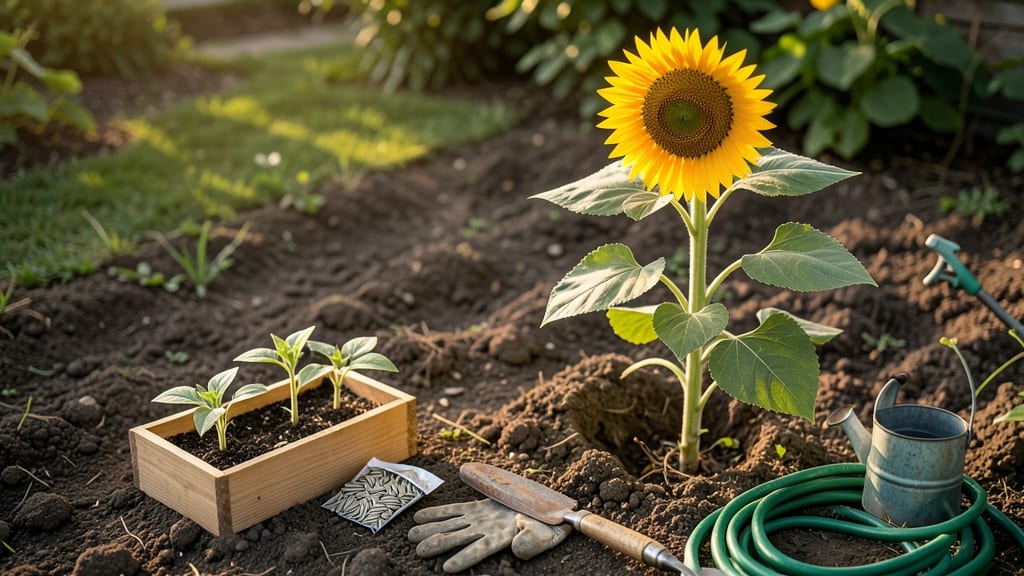
How to grow sunflowers in Florida thrives when you pick the right heat-resistant varieties. 🌻 I’ve grown them here for years, and the secret is choosing drought-tolerant types like ‘Moulin Rouge’ or ‘Autumn Beauty’—they handle our humidity and blazing sun without wilting. Start with well-draining soil mixed with compost, and plant seeds ½ inch deep after your last frost (or anytime in warm zones). Florida’s heat speeds up growth, so expect blooms in 60–90 days—just keep soil moist but not soggy. You’ll end up with towering stems reaching 6–10 feet, their golden faces turning toward the sun. The birds might get there first, but with proper spacing, you’ll still get plenty of seeds for next year’s garden. Works year-round in South Florida; just adjust watering for summer’s intensity. Here’s how to keep them blooming!
📚 In This Guide
- What you need
- Instructions
- Tips and common mistakes
- Wrapping up and next steps
What you need
- ● Sunflower seeds: Choose heat-resistant varieties like ‘Moulin Rouge’ (dwarf) or ‘Russian Giant’ (tall). Buy 50–100 seeds for a small garden or 200+ seeds for larger patches.
- ● Well-draining potting mix or garden soil: 5–10 gallons (for containers) or amend native soil with 2–3 inches of compost.
- ● Fertilizer: A balanced 10-10-10 granular fertilizer (1 cup per 10 sq ft) or organic options like bone meal (1 tbsp per plant).
- ● Watering can or hose with a gentle spray nozzle.
- ○ Stakes or trellis (optional for tall varieties): 6–8 ft bamboo stakes or metal cages to support heavy heads.
- ● Garden trowel or hand shovel for planting.
- ● Pruners for deadheading or harvesting.
- ● Measuring tape or ruler (to space seeds 12–24 inches apart, depending on variety).
- ○ Gloves (optional, for handling prickly stalks).
- ● Sunlight: Full sun (6+ hours daily)—Florida’s heat is perfect, but avoid afternoon shade.
- ● Temperature: Plant after the last frost (mid-March onward) or in late summer (Sept–Oct) for fall blooms.
- ● Drainage: Sunflowers hate soggy roots—raise containers or plant on a slight slope if needed.
Step-by-step instructions for growing sunflowers in Florida
Sunflowers thrive in Florida’s warmth—here’s how to grow them strong and blooming all year.
🌱 Step 1: Choose Heat-Tolerant Varieties
Florida’s heat means standard sunflowers wilt fast. Opt for ‘Moulin Rouge’ (red, compact) or ‘Autumn Beauty’ (multi-colored, drought-resistant). These varieties handle 90°F+ temperatures better than others. Start seeds indoors 4-6 weeks before last frost (March in most of Florida) or sow directly after soil warms to 65°F.
I always check seed packets for days to maturity—Florida’s long growing season lets you plant fall through spring for continuous blooms. Avoid giant varieties like ‘Russian Giant’; they struggle in our humidity and need too much water.
☀️ Step 2: Prepare Full-Sun Spots with Well-Draining Soil
Sunflowers need 6+ hours of direct sun daily—Florida’s south or west-facing beds are ideal. Amend heavy clay soil with 2-3 inches of compost (use the 4 cubic feet you’ve mixed) to improve drainage. Sunflowers rot easily in soggy soil, so raise beds slightly if your yard floods after rain.
Test soil pH—sunflowers prefer 6.0-7.0. If your soil tests higher, mix in sulfur (½ cup per 10 square feet). I mark planting spots with 1-inch-deep holes spaced 12 inches apart for single-stem varieties, or 18 inches apart for bush types like ‘Teddy Bear’.
💧 Step 3: Plant Seeds at the Right Depth and Water Deeply
Drop 1-2 seeds per hole at 1 inch deep—deeper planting delays germination. Cover lightly with soil and water deeply until moisture reaches 6 inches down. Sunflowers hate wet feet but need consistent moisture during germination. Wait 7-10 days until first true leaves appear before thinning to the strongest seedling.
Here’s the thing—don’t overwater after germination. Let the top 2 inches of soil dry between waterings. I use a soaker hose to keep leaves dry, which prevents powdery mildew (a common Florida issue). Mulch with 2 inches of straw (use your 3 cubic feet) to lock in moisture and block weeds.
✂️ Step 4: Support Tall Varieties and Deadhead for More Blooms
If growing ‘Russian Giant’ or ‘Mammoth’, stake plants at 3 feet tall with 3-inch-wide bamboo stakes (use 4 stakes per plant). Tie stems loosely with soft plant ties—tightening too soon stunts growth. For shorter varieties like ‘Teddy Bear’, no support is needed.
When blooms fade, deadhead (snip spent flowers) to encourage secondary blooms. I always leave 1-2 flowers per stem to develop seeds for next year. Watch for sunflower moths—their larvae tunnel into stems. If you spot holes, remove affected stems immediately to save the rest.
🌿 Step 5: Harvest Seeds and Extend the Season
For seed-saving, let 1-2 flowers per plant mature fully. The back of the flower head turns brown and papery, and seeds rattle when shaken. Cut heads, dry in a well-ventilated area for 2 weeks, then rub seeds into a bag. Store in a cool, dark place for up to 2 years.
To grow sunflowers year-round, plant fall crops in September (they’ll bloom before winter) and spring crops in February. Florida’s mild winters let you try ‘Autumn Beauty’ as a winter project—just move pots indoors if frost threatens. With these steps, you’ll have sunflowers blooming in every season.
Tips & tricks for growing sunflowers in Florida's heat
Florida's intense sun and humidity can turn sunflower gardening into a challenge—but these tricks will help you beat the heat and grow vibrant blooms all year.
Variety Selection: Beyond the recommended 'Moulin Rouge' and 'Autumn Beauty', consider 'ProCut' for cut flowers that last longer in bouquets. This variety handles Florida's heat with its shorter stature and thick stems. I've found that dwarf varieties like 'Teddy Bear' actually thrive in our humidity, producing more blooms per plant than taller types. For maximum heat resistance, look for varieties labeled "drought-tolerant" on seed packets.
Soil Preparation: The 2-3 inches of compost mentioned is perfect, but I recommend adding a handful of perlite to each planting hole for extra drainage—this prevents the dreaded root rot that kills sunflowers in Florida's heavy clay. For pH adjustment, test your soil first using a simple kit from your local garden center. I've seen Florida soil test as high as 7.5 in some areas, which is why that sulfur recommendation is so important. A pH meter costs about $15 and saves you from guessing.
Watering Strategy: That 6-inch deep watering during germination is crucial, but after the 7-10 day mark, I switch to a weekly deep soaking rather than frequent shallow watering. This encourages deeper root growth that can better withstand Florida's heat waves. I water in the early morning to prevent fungal diseases from taking hold in the humidity. For container-grown sunflowers, use pots with drainage holes and water when the top 2 inches of soil feel dry.
Pest Prevention: Sunflower moths are the biggest threat in Florida, but I've had great success with preventive measures. Sprinkle diatomaceous earth around the base of plants after germination—it's non-toxic and kills moth larvae on contact. For powdery mildew prevention, I mix 1 tablespoon of baking soda with a gallon of water and spray lightly on leaves every 2 weeks. This simple solution has kept my sunflowers mildew-free for years.
Pro Tips for Grow Sunflowers In Florida
- Florida's intense sun and humidity can turn sunflower gardening into a challenge—but these tricks will help you beat ...
- Variety Selection: Beyond the recommended 'Moulin Rouge' and 'Autumn Beauty', consider 'ProCut' for cut flowers that ...
- Soil Preparation: The 2-3 inches of compost mentioned is perfect, but I recommend adding a handful of perlite to each...
Frequently asked questions
Got questions about growing sunflowers in Florida’s heat and humidity?
You’re not alone! Here are answers to the most common queries to help you grow stunning, resilient blooms year-round.
Can sunflowers survive Florida’s summer heat?
While traditional varieties wilt in extreme heat, heat-resistant sunflowers (like ‘Moulin Rouge’ or ‘Autumn Beauty’) thrive in Florida’s climate. Plant in early spring or fall for optimal growth, and always provide well-draining soil to prevent root stress. Mulching helps retain moisture without overheating the roots.
How long does it take for sunflowers to bloom in Florida?
Most sunflowers take 80–100 days to bloom from seed, but Florida’s warm winters can speed this up to 60–80 days for fast-maturing varieties like ‘Teddy Bear.’ Start seeds indoors 4–6 weeks before last frost (or direct-sow in spring/fall) for the fastest results.
What’s the best alternative if sunflowers fail in my garden?
If sunflowers struggle, try heat-tolerant alternatives like celosia (for vibrant plumes), zinnia (drought-resistant), or marigolds (pest-repelling). These thrive in Florida’s sun and require minimal fuss—perfect for beginners!
Why are my sunflower leaves turning yellow or spotted?
Yellowing leaves often signal overwatering or fungal diseases (like powdery mildew). Improve airflow by spacing plants 12–18 inches apart and water at the base (not overhead). For pests, spray with neem oil or introduce ladybugs—nature’s bug fighters!
Can I grow sunflowers in containers in Florida?
Yes! Use large pots (10+ gallons) with drainage holes and fill with lightweight potting mix. Dwarf varieties like ‘Little Becka’ are ideal. Place containers in full sun and fertilize every 4–6 weeks for robust growth. Just keep them mobile to protect from hurricanes!
Wrapping up and next steps
Growing sunflowers in Florida’s warm climate is totally doable—just pick the right heat-resistant varieties and follow the simple steps we’ve shared! From choosing well-draining soil to protecting your plants from pests, you’re now equipped to cultivate vibrant blooms that’ll brighten up your garden year-round. 🌻
Ready to get started? Plant your seeds today and watch your sunflower garden thrive! Need inspiration? Check out our Florida-friendly sunflower varieties guide next to pick the perfect one for your space.