
Size
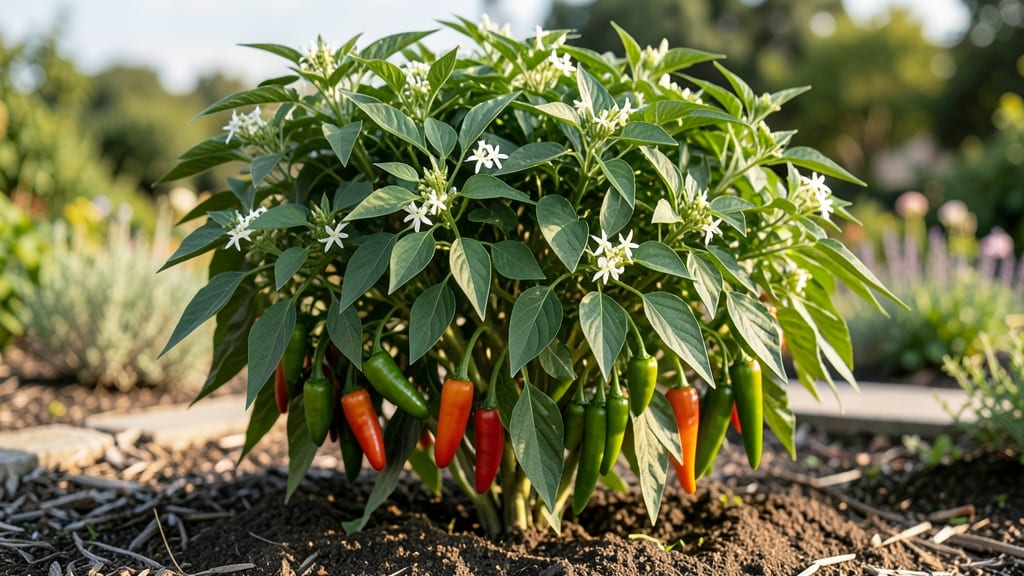
How to grow Tabasco peppers from seed means fiery harvests in just 90 days 🌱. I learned the hard way—planting them too early killed my first batch, but now I swear by starting seeds indoors in February for a summer-long supply of those iconic red peppers. The secret isn't just heat; it's patience and the right conditions.
These peppers thrive in warm climates (zones 9-11) but can grow in containers if you bring them inside when temps dip below 50°F. They need full sun—at least 6-8 hours daily—and well-draining soil rich in compost.
Overwatering is their kryptonite, so let the top inch dry between waterings. A balanced fertilizer every 4-6 weeks keeps them producing.
By mid-summer, you'll see clusters of small peppers turning red—harvest them when they're 1-2 inches long for the best flavor. The first harvest is always the sweetest reward after months of waiting. Prune aggressively to encourage bushier growth, and watch as your plants explode with productivity.
Even in cooler zones, container growing makes this possible. My first attempt in Zone 7 failed, but now I use black fabric pots to extend the season. The key is protecting them from frost and giving them plenty of light.
With the right care, you'll have enough peppers to make your own homemade Tabasco sauce—just don't blame me if you cry from the heat!
📚 In This Guide
- What you need
- Instructions
- Tips and common mistakes
- Wrapping up and next steps
What you need
- ● Tabasco pepper seeds (varieties like Tabasco Red, Tabasco Yellow, or Tabasco Green—choose 1-2 for best results).
- ● Well-draining potting soil (mix with perlite or vermiculite for aeration—5-10 gallons per plant).
- ● Containers or garden beds: Containers: 5-gallon pots or larger (ensure drainage holes!).
- ● Garden beds: Full sun (6+ hours/day) and fertile, slightly acidic soil (pH 6.0-6.8).
- ● Organic fertilizer (balanced 10-10-10 or high-phosphorus for fruiting, like 5-10-10).
- ● Watering can or hose with a gentle spray nozzle (peppers hate soggy roots!).
- ● Pruning shears (sterilized to prevent disease).
- ○ Gloves (optional but highly recommended—those peppers pack a punch!).
- ● Support stakes or cages (for indeterminate varieties that grow tall).
- ● Mulch (straw or wood chips to retain moisture and suppress weeds).
- ● Grow lights (if starting indoors before last frost).
- ● Calcium supplement (like crushed eggshells or lime) to prevent blossom-end rot.
- ● Pest control: Neem oil or insecticidal soap (for aphids or spider mites).
- ● Harvesting tools: Sharp knife or scissors (for clean cuts).
Step-by-Step instructions for growing Tabasco peppers
Here’s my foolproof method for growing fiery Tabasco peppers from seed to harvest.
🌱 Step 1: Start Seeds Indoors 8-10 Weeks Before Last Frost
Tabasco peppers need a long, warm growing season—85-90°F soil temperatures kickstart germination. Fill 2-3 inch deep biodegradable pots with sterile seed-starting mix (never garden soil—it’s too dense). Plant 2-3 seeds per pot at ¼ inch deep, then mist lightly with warm water. Cover with plastic wrap to retain moisture and warmth.
Place pots on a seedling heat mat (keeps soil at 75-85°F) under grow lights for 14-16 hours daily. Germination takes 10-20 days—don’t give up if nothing appears in 14 days. Once sprouts emerge, remove the plastic wrap and keep soil evenly moist (not soggy). Thin to one strongest seedling per pot after true leaves appear.
☀️ Step 2: Harden Off and Transplant After All Frost Risk Passes
Two weeks before your last frost date, begin hardening off seedlings by moving them outside for 1-2 hours daily in a sheltered spot. Gradually increase time over 10-14 days until they’re outside 24/7. Choose a full-sun location (Tabasco peppers need 6+ hours direct sunlight daily) with well-draining soil (they hate soggy roots).
Transplant seedlings 18-24 inches apart in rows 24 inches apart (they need space to sprawl). Bury slightly deeper than the pot—up to the first true leaves—to encourage strong root growth. Water deeply at planting to settle soil around roots, then let the top 1 inch dry before watering again.
💧 Step 3: Maintain Consistent Heat, Water, and Fertility
Tabasco peppers thrive in warm soil (70-85°F)—mulch with straw or grass clippings to keep roots warm and retain moisture. Water deeply 1-2 times weekly, aiming for 1 inch of water per week. Let the soil dry slightly between waterings to prevent blossom-end rot (a common issue with peppers).
Fertilize every 2-3 weeks with a balanced organic fertilizer (10-10-10) or compost tea. You’ll see white flowers appear after 6-8 weeks—these will turn into peppers. Prune suckers (side shoots between stem and branches) to direct energy to fruit production. Watch for aphids or spider mites—spray with neem oil if pests appear.
✂️ Step 4: Harvest and Preserve for Fiery Sauce
Tabasco peppers turn red when fully ripe, but you can harvest green for milder heat. Pick peppers when they’re 3-4 inches long—waiting too long reduces potency. Harvest in the morning (peppers are most flavorful then) and store in a cool, dark place for up to 2 weeks (or freeze for longer storage).
For authentic Tabasco sauce, ferment peppers in vinegar and salt for 3-4 weeks (traditional method) or blend fresh peppers with vinegar and spices for a quicker version. Wear gloves—these peppers pack serious heat! Expect 4-6 peppers per plant in a good season, enough for 1-2 bottles of sauce.
Tips & tricks for perfect Tabasco pepper cultivation
Growing Tabasco peppers from seed rewards patience—here's how to avoid the most common pitfalls and maximize your fiery harvest.
Heat Matters: The 85-90°F soil temperature range in Step 1 is non-negotiable for germination. I've seen seeds fail to sprout when soil was even 10°F cooler—invest in a seedling heat mat if your home stays chilly. For extra insurance, place pots on top of your refrigerator (not inside) to create a warm microclimate.
Lighting Secret: Those 14-16 hours of grow lights daily in Step 1 aren't just about duration—they need to be 6 inches above seedlings for even light distribution. I learned this the hard way when my first batch grew lanky and weak from being too far away. Use a ruler to maintain consistent distance as they grow.
Transplanting Technique: When burying seedlings up to their first true leaves in Step 2, make sure the soil is moist but not wet—this prevents air pockets that can strangle roots. I like to make small trenches around each seedling to help settle soil firmly against the stems during watering.
Harvest Timing: The 3-4 inch length guideline in Step 4 is your sweet spot for maximum heat and flavor. I harvest mine at 3.5 inches when the shoulders start to swell—this gives the perfect balance of spice and size for sauce-making. Morning harvests yield the most potent peppers since they've had overnight to concentrate their flavors.
Pro Tips for Grow Tabasco Peppers
- Growing Tabasco peppers from seed rewards patience—here's how to avoid the most common pitfalls and maximize your fiery harvest.
- Heat Matters: The 85-90°F soil temperature range in Step 1 is non-negotiable for germination.
- Lighting Secret: Those 14-16 hours of grow lights daily in Step 1 aren't just about duration—they need to be 6 inches above seedlings for even light distribution.
Frequently asked questions
Got questions about growing your own fiery Tabasco peppers?
You’re not alone! Here are answers to the most common concerns—whether you’re a first-time gardener or a spice enthusiast looking to perfect your harvest.
How long does it take for Tabasco peppers to mature and produce fruit?
Tabasco peppers typically take 90–120 days from transplanting to harvest, depending on the variety. Early blooms appear in 6–8 weeks, but patience is key—peppers need full warmth and sunlight to ripen. If your plants flower but drop buds, check for heat stress or poor pollination.
Can Tabasco peppers survive frost or cold weather?
Nope! Tabasco peppers are tropical plants and cannot tolerate frost—even a light freeze will kill them. Start seeds indoors 8–10 weeks before your last frost date and transplant only after soil temps hit 65°F+ (18°C+). In cold climates, grow them in containers for easy winter relocation.
What can I do if my Tabasco pepper plants aren’t producing fruit?
Blossom drop or no peppers? Try these fixes:
- Hand-pollinate flowers with a soft brush if bees are scarce.
- Ensure consistent watering (drought or overwatering stresses plants).
- Check for pests (aphids, spider mites) or diseases (powdery mildew).
- Fertilize with phosphorus-rich food (like bone meal) to boost flowering.
Are Tabasco peppers hard to grow compared to other peppers?
They’re moderately challenging but not impossible! Tabasco peppers need:
- Warmth (70–90°F / 21–32°C ideal).
- Full sun (6+ hours daily).
- Well-draining, slightly acidic soil (pH 6.0–6.8).
- Regular feeding (balanced fertilizer every 3–4 weeks).
Can I use green Tabasco peppers for cooking, or do they need to ripen fully?
Green Tabasco peppers are milder and crunchier—great for stir-fries, salsas, or pickling. For classic Tabasco sauce, let them ripen to red (100–150 days) for maximum heat (2,500–5,000 SHU). Pro tip: Harvest green peppers to encourage more production!
Wrapping up and next steps
Growing your own Tabasco peppers is a rewarding journey that brings bold flavors and fiery satisfaction right to your kitchen! With the right soil, sunlight, and patience, you’ll soon be harvesting peppers packed with heat—perfect for homemade sauces, salsas, or even gifting to spice lovers. 🌶️
Ready to take the next step? Start by planting your seeds this season and watch your garden transform into a spicy paradise. And once your peppers ripen? Get cooking—your taste buds (and friends) will thank you! 🔥