
Size
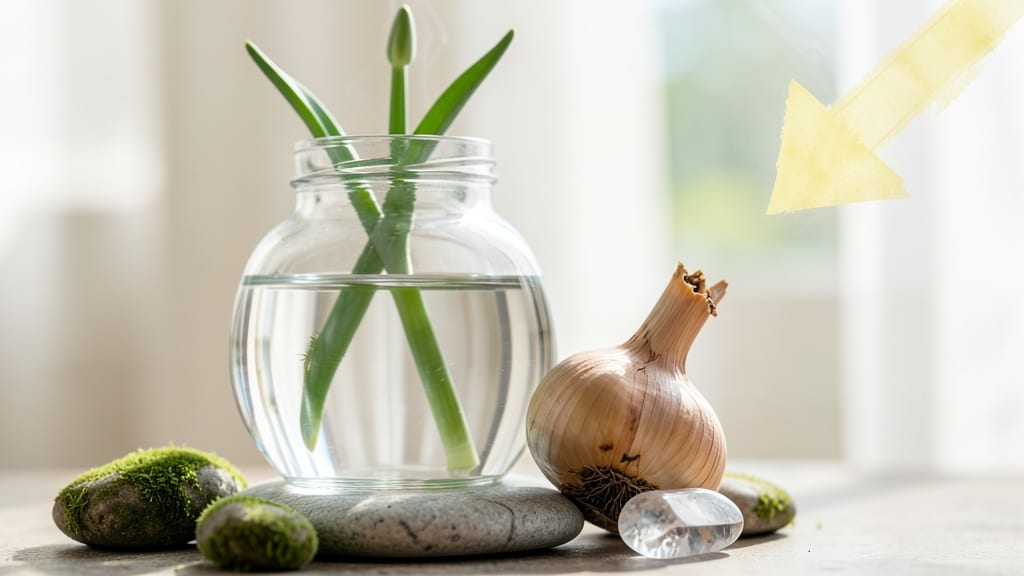
How to grow tulips indoors in water feels like magic—no dirt, no mess, just vibrant blooms on your kitchen table. 🌷 I’ve done this three winters running, and each time I’m amazed how a single bulb can transform a simple vase into a showstopper. The secret? Healthy bulbs, clean water, and patience—no green thumb required.
Start with fresh, firm bulbs (no soft spots!) in a clear container—glass jars work best. Fill it with room-temperature water just enough to cover half the bulb, then place it in bright, indirect light.
Change the water every 3-5 days to prevent mold, and watch roots sprout in about a week. Within 4-6 weeks, you’ll have blooms that last nearly two weeks with proper care.
This method is temporary—once the flowers fade, the bulb will die—but it’s perfect for forcing early spring color indoors. For long-term growth, plant the bulb in soil after blooming.
The key to success? Consistency—keep water levels steady, avoid direct sun (it weakens stems), and resist the urge to overcrowd containers.
Troubleshooting is easy: moldy water? Dump it and refresh. Leggy stems? Move to brighter light. With these simple steps, you’ll have show-stopping tulips without the fuss of a full garden. Ready to try?
📚 In This Guide
- What you need
- Instructions
- Tips and common mistakes
- Wrapping up and next steps
What you need
- ● Tulip bulbs: 3–5 healthy, firm bulbs (Dutch Master or similar varieties work best). Choose bulbs that are free of mold or soft spots.
- ● Clear glass or vase: A wide-mouth jar (8–12 oz) or a clear vase (6–8 inches tall)—wide enough to hold bulbs without overcrowding.
- ● Water: Room-temperature, filtered water (chlorine-free if possible). Use about 2–3 cups per vase.
- ● Scissors or knife: For trimming stems (if needed).
- ● Pebbles or marbles: Small decorative stones (½–1 inch) to weigh down bulbs and keep them submerged just slightly.
- ● Floral foam: To secure bulbs in place without pebbles.
- ● Food coloring (natural): A few drops of beet juice or turmeric for colored water (fun for kids!).
- ● Grow lights: A 12–14 hour LED grow light if your space lacks natural light.
- ○ Fertilizer (optional): A dash of liquid tulip fertilizer (like ½ tsp per quart of water) for extra nutrition.
Step-by-Step instructions for growing tulips indoors in water
Here's how to coax vibrant tulips from bulbs using just water—no soil, no mess, just stunning blooms.
🌱 Step 1: Select and Prepare Your Bulbs
Pick firm, plump tulip bulbs—avoid any with soft spots or mold. I like Dutch Master or Parrot tulips for their bold colors and long stems. Place each bulb in a shallow container (like a small vase or glass) with just enough water to cover the bottom third of the bulb. The roots will emerge from the base, so don't submerge the bulb completely—this prevents rot.
Change the water every 2-3 days to keep it fresh. You'll see tiny white roots appear within 1-2 weeks. This is your signal that the bulb is waking up and ready for growth. Keep the container in a spot with bright, indirect light—like a sunny windowsill—but avoid direct midday sun, which can scorch the leaves as they unfurl.
💧 Step 2: Maintain Water and Light for Growth
Once roots are 1-2 inches long, you'll notice a green shoot pushing through the top of the bulb. This is the stem, and it's time to increase the water slightly—now cover about half the bulb (but never fully submerge it). Use room-temperature water to avoid shocking the roots. I like to use a spray bottle to mist the leaves occasionally, keeping them hydrated without overwatering.
Place the container in a spot with 6-8 hours of indirect light daily. If your home is dim, supplement with a grow light 12 inches away for 10-12 hours a day. You'll know the light is right when the leaves stay upright and vibrant—not leggy or pale. Leggy stems mean your bulb is stretching for light, and it won't bloom properly.
☀️ Step 3: Encourage Blooming with Cool Temperatures
Tulips need a cool period (50-60°F) to trigger blooming. Once the stem reaches 6-8 inches tall, move the container to a cooler spot—like a basement or unheated garage—if your home stays above 65°F. This mimics their natural dormancy cycle. You'll see buds form at the top of the stem within 2-4 weeks of this cool treatment.
Return the tulip to a room-temperature spot (65-70°F) once buds appear. Keep the water level consistent—just enough to cover the bulb's base. Avoid letting the water sit stagnant, as this can cause rot. Watch for the first bloom to open, which usually takes 7-10 days after moving back to warmth. Once fully open, enjoy your tulip for 3-5 days before it fades.
⏰ Step 4: Care for the Tulip After Blooming
After the bloom wilts, don’t toss the bulb! Let the leaves turn yellow and wither naturally—this feeds the bulb for next year. Keep the bulb in water with 1-2 inches of leaves remaining for 6-8 weeks to recharge. You can then plant it in soil outdoors in fall for another season, or repeat the water method again indoors.
If you want to reuse the bulb, reduce watering to just enough to keep the base moist until the leaves die back completely. Store the bulb in a cool, dry place (40-50°F) until fall planting. I’ve reused bulbs this way for 3-4 seasons with great success—just be patient and consistent with care.
Tips & tricks for growing tulips indoors in water
Here's what nobody tells you about growing tulips indoors—little details that make all the difference between a sad, wimpy stem and a showstopping bloom.
Bulb Selection Matters: Choose bulbs that are firm and heavy for their size—these are packed with energy for blooming. I've found Dutch Master and Parrot tulips work best for indoor water culture because their vibrant colors hold up longer. Avoid bulbs with any soft spots or mold, even if they're discounted. A healthy bulb is your foundation for success, and you can't salvage a compromised one.
Water Level is Critical: Never fully submerge your bulb—this will cause rot. In Step 1, maintain just the bottom third covered, and in Step 2, increase to half the bulb as roots develop. I use a clear container so I can easily monitor the water level without disturbing the bulb. Change water every 2-3 days to prevent bacterial growth, and always use room-temperature water to avoid shocking the delicate roots.
Light Balance is Everything: Those 6-8 hours of indirect light in Step 2 are non-negotiable for strong stems. If your tulip starts looking leggy (long, thin stems with small leaves), it's stretching for light. Move it closer to the window or add a grow light 12 inches away for 10-12 hours daily. I've had tulips collapse completely when they didn't get enough light—don't let that happen to yours!
Cool Down for Blooms: The 50-60°F cool period in Step 3 is what triggers blooming—don't skip it! If your home stays above 65°F, move your tulip to a cooler spot like a basement or garage. I've seen buds form within 2-4 weeks of this cool treatment, but only if the stems were at least 6-8 inches tall. This mimics their natural dormancy cycle and is absolutely essential for getting those beautiful flowers.
Pro Tips for Grow Tulips Indoors In Water
- Here's what nobody tells you about growing tulips indoors—little details that make all the difference between a sad, wimpy stem and a showstopping bloom.
- Bulb Selection Matters: Choose bulbs that are firm and heavy for their size—these are packed with energy for blooming.
- Water Level is Critical: Never fully submerge your bulb—this will cause rot.
Frequently asked questions
Got questions about growing tulips in water?
You’re not alone! Here are answers to the most common queries to help you succeed with your indoor tulip garden.
Can I reuse the same water for multiple tulip bulbs?
While you can reuse water, it’s best to refresh it every 3–4 days to prevent bacterial growth or algae. Over time, the water becomes cloudy or develops a foul smell—signs it’s time for a change. Use room-temperature water each time for optimal results.
How long does it take for tulip bulbs to sprout in water?
Patience is key! Most tulip bulbs sprout within 2–4 weeks, depending on the variety and temperature. Place them in a bright, indirect light (like a sunny windowsill) to speed up germination. If nothing happens after 6 weeks, check for rot or adjust your water levels.
Will my tulip regrow next year if I keep it in water?
Unfortunately, tulips grown in water won’t rebloom yearly like soil-grown ones. They’re a one-time showstopper! For repeat blooms, plant the bulb in soil after flowering. Save the dried stem and leaves to nourish the bulb for next season.
Do I need to add food coloring or vinegar to the water?
Skip the food coloring—it’s unnecessary and can harm the bulb. As for vinegar, a tiny splash (1 tsp per gallon) may help prevent bacteria, but it’s not required. Stick to plain, room-temperature water for the best results.
My tulip bulb is turning mushy—what went wrong?
Mushy bulbs usually mean overwatering or rot. Ensure only the bottom 1/3 of the bulb is submerged, and change the water regularly. If mold appears, remove the bulb, trim the affected areas, and replant it in soil to recover.
Can I use this method with other bulbs, like daffodils or hyacinths?
Many bulbs thrive in water, including daffodils, hyacinths, and paperwhites. Follow the same steps, but adjust water levels—some bulbs (like hyacinths) prefer deeper immersion. Just check their specific care needs!
Wrapping up and next steps
Growing tulips indoors in water is a rewarding way to enjoy vibrant blooms year-round without the fuss of soil! With just a few simple steps—like selecting healthy bulbs, using clean water, and keeping them in a bright spot—you’ll be amazed at how easy it is to bring nature indoors. 🌸
Now that you’re ready to start, why not expand your indoor garden? Try experimenting with other bulbs like daffodils or hyacinths, or even mix and match for a stunning floral display. Happy growing—your home (and future blooms) will thank you!