
How To
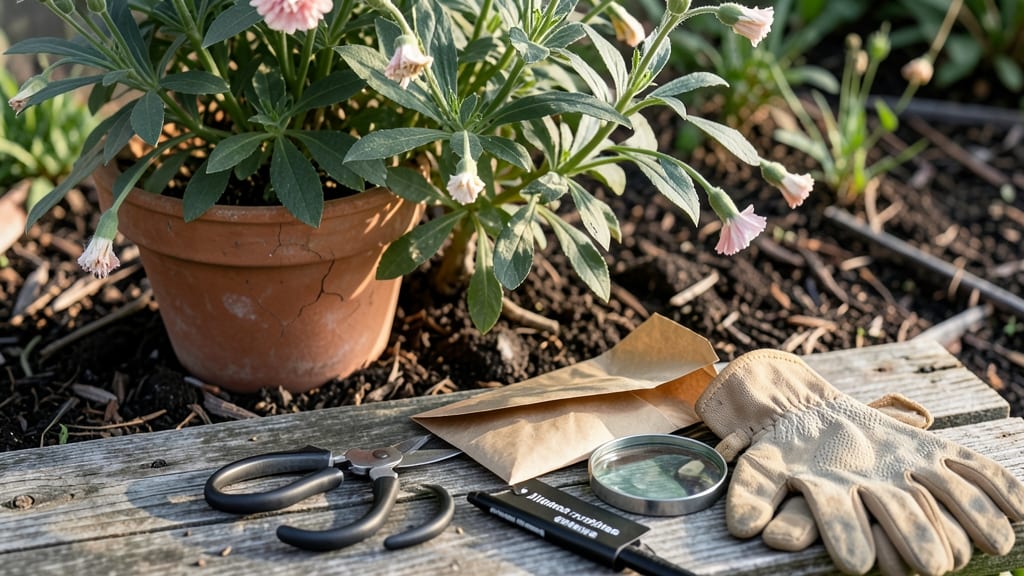
Harvesting carnation seeds 🌸 might seem tricky, but mastering this skill means you’ll have next year’s fragrant blooms growing in your garden without buying new plants. The key is timing—collecting seeds too early or too late can ruin their viability, leaving you with nothing but empty pods.
If you’ve ever watched a carnation flower fade and wondered what happens next, you’re about to discover the secret behind turning spent blooms into future gardens.
I’ll walk you through the exact signs to look for—like when those seed pods turn brown and crispy—and how to handle them gently to preserve every seed.
Most gardeners skip this step, but with just a few minutes of care, you can store your seeds properly and watch them sprout into vibrant carnations the following spring. Let’s break down the simple steps to ensure your seeds stay fresh and ready for planting.
Whether you’re growing carnations in USDA Zone 6a or another region, these techniques work universally. By the end, you’ll know exactly when to harvest, how to process the seeds, and where to store them for maximum success—so you can enjoy more of these classic flowers year after year.
When to harvest carnation seeds: the perfect timing for collection
Harvesting carnation seeds at the wrong time means wasted effort—your seeds might not germinate or could even rot before you plant them. The key is patience and timing, as carnations need 3-4 weeks after flowering to mature their seeds properly.
This window ensures high viability and strong seedlings for next year’s garden.
Look for visual cues like fully browned seed pods and dry, crispy textures. These signs indicate the seeds are ready for collection. If you harvest too early, the seeds won’t have fully developed, while waiting too long risks them scattering naturally or attracting pests like birds and insects.
Climate plays a huge role in timing. In cooler zones (USDA 3-5), aim for late summer to early fall (August-September) when nights grow chilly. In warmer zones (USDA 7-10), harvest in late fall (October-November) to avoid summer heat stressing the pods.
One trick I use is to mark flowering stems with a small flag or ribbon when the first blooms appear. This helps track the 21-28 day maturation period accurately, ensuring you don’t miss the harvest window.
| Stage | Visual Cues | Harvest Time | Climate Note |
|---|---|---|---|
| Flowering | Bright blooms appear | Mark stems | All zones |
| Pod Development | Green pods form | Wait 3-4 weeks | Avoid rain |
| Ripening | Brown, dry pods | Late summer/fall | Cooler zones: August-Sept |
| Ready to Harvest | Pods split open | October-November | Warmer zones: Oct-Nov |
Morning is the best time to harvest carnation seeds because pods are dryest after overnight dew has evaporated. This reduces moisture exposure, which can cause mold or premature seed spoilage. If rain is forecasted, harvest immediately—even if pods aren’t fully brown—to prevent water damage.
For container-grown carnations, place a breathable mesh bag over the seed heads as they ripen. This prevents seeds from scattering while allowing airflow. Secure the bag with twine and check daily for readiness. This method works especially well in urban gardens with limited space.
Don’t forget to label your seed collection with the variety name and harvest date. Over time, carnation varieties can cross-pollinate, leading to mixed colors or unexpected traits. Keeping records ensures you can replicate your favorite blooms year after year.
If you’re in a short growing season (like Zone 4), consider harvesting seeds indoors under a grow light. Place pods in a paper bag with a rubber band and hang them in a warm, dry spot (around 70°F) to finish ripening. This extends your harvest window by several weeks.
Once pods turn fully brown and crispy, they’ll release seeds with the slightest touch. This is your cue to act quickly—seeds left too long in the pod may scatter or attract pests. A gentle shake over a clean surface (like a white sheet) makes collection effortless and efficient.
Step-by-step guide to collecting and storing carnation seeds
Once you’ve spotted those brown, crispy seed pods on your carnations, it’s time to act fast! Harvesting at the right moment ensures high germination rates for next year’s garden. Start by gently snipping the dried flower heads with clean pruners—this prevents damaging the plant or spreading disease.
After harvesting, place the pods in a paper bag or breathable container to dry completely for 1-2 weeks in a warm, dry spot. Avoid plastic bags, as trapped moisture can ruin your seeds. Once fully dry, the pods will split open naturally, releasing the tiny, dark seeds inside.
🌱 Step-by-Step Seed Collection
- 1. Harvest pods when fully brown and crispy
- 2. Dry pods in paper bags for 1-2 weeks
- 3. Extract seeds by gently crushing pods
- 4. Store seeds in labeled envelopes
- 5. Keep seeds in a cool, dry place
To extract the seeds, place the dried pods on a clean sheet of paper and gently crush them with your fingers or a rolling pin. Sift through the debris to separate the dark, firm seeds from chaff. Discard any soft or discolored seeds—they won’t germinate well.
Label your seeds with the variety name and harvest date using a permanent marker. Store them in paper envelopes or airtight containers with a silica gel packet to absorb moisture.
Place the envelopes in a cool, dark location, like a pantry or seed vault, where they’ll stay viable for 2-3 years.
For best results, test a few seeds before storing the rest. Plant them in moist seed-starting mix and check for sprouts in 7-14 days. If germination is low, try storing the remaining seeds in the fridge for 1-2 weeks to break dormancy before replanting.
Remember, proper storage is key to preserving seed viability. Avoid humidity and temperature swings, which can drastically reduce germination rates. With these steps, you’ll have a ready supply of carnation seeds for years to come! 🌸