
How To
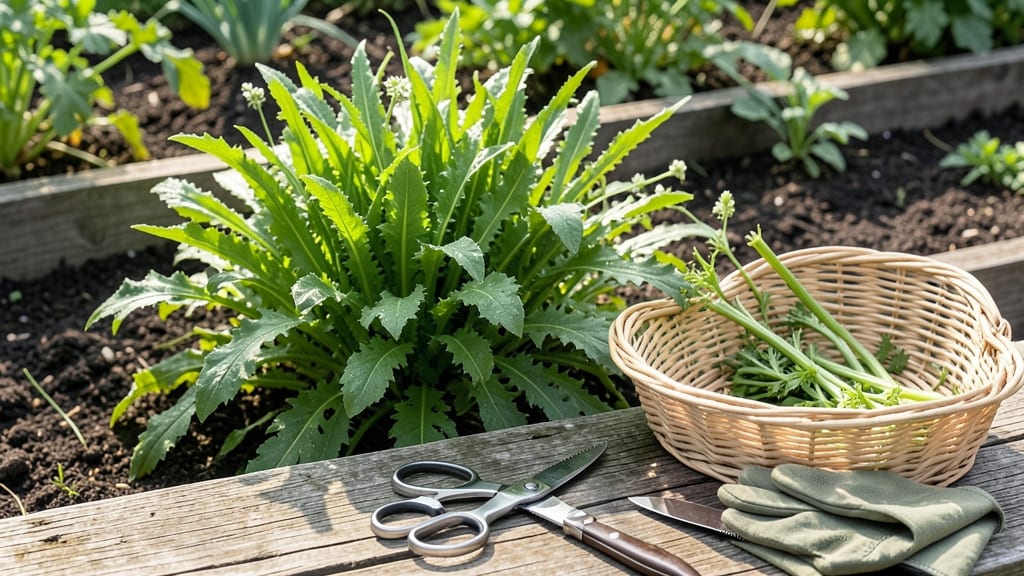
If you’ve ever wondered how to harvest culantro without ruining your plant or dulling its bold, citrusy flavor, you’re in the right place. This vibrant herb—often called Mexican coriander—is a kitchen staple, but timing and technique make all the difference between a thriving plant and a sad, woody mess.
The key to best flavor is harvesting young leaves before the plant bolts, but that’s just the start. I’ll walk you through the exact steps to cut culantro properly, when to do it for regrowth, and how to store your harvest so it stays fresh longer.
No more guesswork—just a foolproof method to keep your garden (and your recipes) bursting with freshness.
You’ll also discover why some gardeners swear by harvesting stems versus leaves, and how to encourage your culantro to bounce back stronger after each trim. Whether you’re a beginner or a seasoned gardener, these tips will turn your herb patch into a flavor factory.
Ready to unlock the secrets of a continuous harvest? Let’s dive into the simple, science-backed steps that’ll keep your culantro happy—and your meals unforgettable.
When and how to harvest culantro for maximum flavor and regrowth
Harvesting culantro at the right time ensures bold citrusy flavor and encourages continuous regrowth. Unlike cilantro, which bolts quickly, culantro stays productive when harvested correctly. The key is timing—cut leaves before the plant flowers to maintain its aromatic intensity.
For best flavor, harvest young leaves (3–6 inches long) when they’re dark green and glossy. Mature leaves lose their bright citrusy notes and become bitter. I always check for a firm stem and a strong aroma when crushed—those are my go-to signs of readiness.
Morning is the ideal time to harvest because dew has evaporated, reducing moisture on the leaves. This also gives your plant half the day to recover before evening. Avoid harvesting after rain or late in the day, as excess moisture can invite fungal diseases.
Use clean, sharp scissors or pruning shears to snip leaves just above a leaf node. This encourages new growth from that point. Never pull leaves—it can damage the stem and weaken the plant. For a bushier harvest, trim outer leaves first, leaving the inner growth intact.
If your culantro starts bolting (sending up flower stalks), it’s a sign to harvest immediately. Bolting reduces flavor quality, but you can still save the seeds for future planting. To prevent bolting, ensure your plant gets consistent moisture and partial shade during hot afternoons.
After harvesting, rinse leaves gently under cool water to remove dirt, then pat dry with a clean towel. Store in an airtight container lined with a paper towel in the fridge for up to 5–7 days.
For longer storage, freeze leaves in ice cube trays with water or oil to preserve their aromatic compounds.
Pro tip: Label your culantro if growing alongside cilantro—they look similar but have very different flavors. Culantro’s leaves are broader and more aromatic, while cilantro has a softer, less intense taste. This helps avoid misidentification in the kitchen!
With the right harvesting rhythm, your culantro can produce continuous leaves for months. Just remember: cut often, leave the base, and keep it well-watered for a flavorful, long-lasting harvest.
When and how to harvest culantro for maximum flavor and regrowth
Harvesting culantro at the right time ensures bold citrusy flavor and encourages continuous regrowth. The best time to harvest is when plants reach 4-6 weeks old and have 3-6 inch leaves. Wait until morning after dew dries—this guarantees the freshest flavor and crispest texture.
For maximum flavor, focus on harvesting the outer leaves first. These mature first and contain the strongest citrusy notes. Avoid cutting into the center stems unless absolutely necessary, as this can stress the plant and reduce future harvests.
| Harvest Stage | Leaf Characteristics | Best Practice |
|---|---|---|
| Early Harvest | 3-4 inch leaves, soft stems | Pinch outer leaves only |
| Peak Flavor | 4-6 inch leaves, firm stems | Cut 1/3 of outer leaves |
| Late Harvest | 6+ inch leaves, woody stems | Avoid—flavor declines |
Use clean, sharp scissors or pruning shears to cut just above leaf nodes. This encourages new side shoots to grow. Never rip leaves—this can damage stems and invite pests. After harvesting, rinse leaves under cool water and pat dry with a paper towel to preserve freshness.
For continuous harvests, space cuts 2-3 weeks apart during peak growing season. In hot summer months, reduce frequency to every 4 weeks to prevent plant stress. Always harvest on dry days to avoid spreading disease through wet foliage.
Watch for visual cues like yellowing leaves or stunted growth—these signal over-harvesting. If your plant bolts (sends up a flower stalk), stop harvesting immediately. Bolting means the flavor will turn bitter, and the plant will die back after flowering.
Pro tip: Store harvested culantro leaves in a sealed container with a damp paper towel in the fridge for up to 1 week. For longer storage, freeze leaves in ice cube trays with water or oil to preserve flavor for 3-6 months. 🌿