
Picking
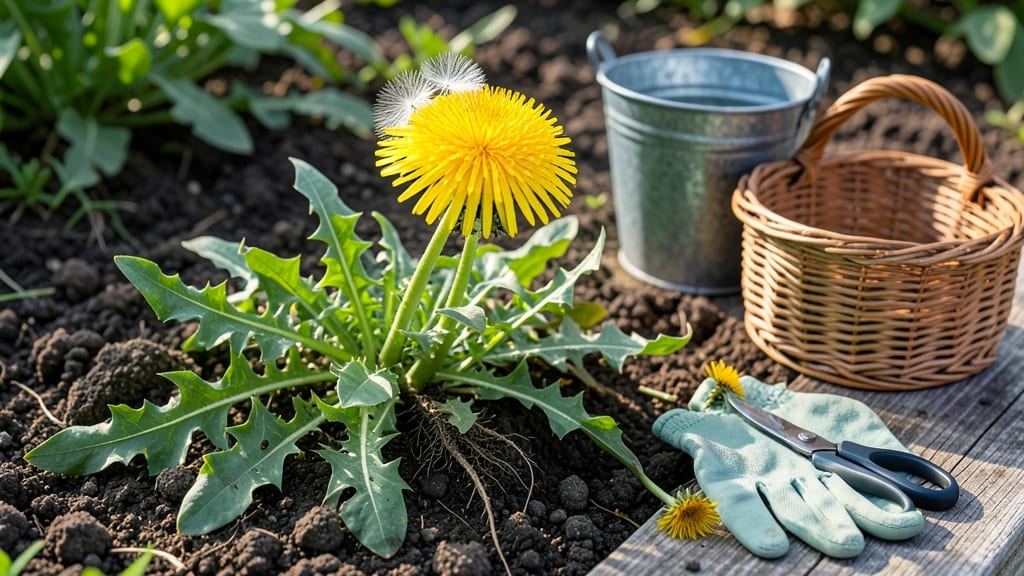
Spring's first bright yellow blooms mean tea time is here. 🌻 Harvesting dandelions for tea is simpler than you'd think—just time it right, and you'll transform those "weeds" into a vibrant, caffeine-free brew packed with earthy sunshine flavors.
The best time is early spring, before flowers open, when leaves are tender and packed with nutrients. A crisp morning after dew has dried gives you the freshest, most flavorful harvest. Avoid roadsides—choose pesticide-free areas like lawns or meadows, and always wash leaves thoroughly to remove any lingering dirt.
You'll end up with a golden-green tea that tastes like sunshine and freshness, rich in vitamins A and K, and even supports liver health. The process takes less than 30 minutes from garden to cup, and you can dry leaves for future sipping or use them fresh.
For extra depth, try steeping roots (roasted) for a coffee-like flavor, or mix with other herbs like mint or lemon balm. The possibilities are as endless as the sunshine you're capturing in every cup.
📚 In This Guide
- What you need
- Instructions
- Tips and common mistakes
- Wrapping up and next steps
What you need
- ● Fresh dandelion flowers: Harvest only organic, pesticide-free blooms (no yellowing or wilted petals). Aim for 1–2 cups of petals per 1 cup of boiling water.
- ● Pruning shears or sharp scissors: A pair with clean, 4–6-inch blades for precise cuts (avoid damaging stems).
- ● A large bowl or basket: A stainless steel or glass container (at least 1-gallon capacity) to collect petals.
- ○ Tweezers (optional but helpful): For plucking petals without crushing stems.
- ● Cheesecloth or fine mesh strainer: A 4–6-inch diameter for filtering tea (or a reusable tea infuser).
- ● Glass jars or airtight containers: For storing dried petals (choose amber or dark glass to block light).
- ● Honey or local sweetener (to taste) for post-harvest blending.
- ● Dried citrus peel or cinnamon sticks (1 tsp) for infused tea variations.
- ● Labeling tags (for tracking harvest dates if storing long-term).
- ● Gloves (nitrile or cotton) if you’re sensitive to plant sap.
Step-by-Step instructions for harvesting dandelions for tea
Turn your yard's "weeds" into a bright, caffeine-free brew with this simple guide.
🌱 Step 1: Identify and Select the Right Dandelions
Pick only fully bloomed, vibrant yellow dandelions—they pack the most flavor. Avoid plants near sprayed lawns or roadsides, as they may absorb contaminants. I like to harvest on dry mornings after dew has evaporated; the petals stay crisp and bright. Look for flowers with tightly closed buds still attached—they’ll add subtle bitterness to balance sweetness.
Gently grasp the flower head near the base and twist it free. You’ll hear a satisfying pop when it separates cleanly. If the stem resists, use clean scissors to snip just above the leaf rosette. Never pull from the roots—this keeps the plant alive for future harvests. A single plant can yield 10-15 flower heads over its blooming season.
☀️ Step 2: Prepare the Flowers for Drying
Remove any green sepals (the little leafy bits at the base of each flower) and discard them—they’re bitter. Spread the petals in a single layer on a clean, dry surface. I use a wire cooling rack lined with parchment paper, but a clean kitchen towel works too. The goal is even airflow to dry them completely without browning.
Place the tray in a warm, dry spot with indirect sunlight—a sunny windowsill is perfect. Avoid direct sun, which can bleach the petals and reduce flavor. Stir them gently every 4-6 hours to prevent mold. They’re ready when completely dry and crisp to the touch, which takes 2-3 days depending on humidity. Store dried petals in an airtight jar away from light.
💧 Step 3: Harvest Leaves for Earthy Depth
After the flowers fade, the leaves develop a milder, slightly bitter flavor—ideal for tea blends. Harvest the youngest, most tender leaves from the outer rosette. Older leaves near the center are tougher and more bitter. Use clean scissors to snip just above a leaf node to encourage bushier growth.
Rinse the leaves briefly under cool water to remove dirt, then pat dry with a clean towel. Spread them on a tray in a single layer, just like the flowers. Dry them in the same warm, shaded spot for 1-2 days, stirring occasionally. Once brittle and crisp, crumble them into small pieces for easier steeping. Store in an airtight container for up to 6 months.
⏰ Step 4: Brew Your Dandelion Tea
For flower tea, steep 1 tablespoon of dried petals in 1 cup of boiling water for 5-10 minutes. The longer it steeps, the more vibrant the color and flavor. Strain through a fine-mesh sieve or cheesecloth into your cup. For a leaf tea, use 1 teaspoon of dried leaves per cup and steep for 3-5 minutes—longer steeping brings out bitterness.
Add honey or lemon to taste, but resist the urge to sweeten heavily—dandelion tea has a natural caramel-like sweetness when brewed properly. Drink fresh for the best flavor, or store brewed tea in the fridge for up to 2 days. For a sunshine boost, add a slice of fresh ginger or a cinnamon stick while steeping. This tea is rich in vitamins A and K, so enjoy it daily!
Tips & tricks for perfect dandelion tea harvesting
Here's what nobody tells you about turning dandelions into golden tea—these little tricks make all the difference.
Timing Secret: Harvest dandelion flowers in the early morning when they're fully open but still slightly damp with dew. This preserves their vibrant color and delicate flavor. I've found that flowers harvested after 10 AM often lose some of their bright yellow hue and can taste slightly bitter. The morning dew also helps wash away any overnight dirt or insects that might have settled on the petals.
Drying Technique: When drying your petals in Step 2, create airflow by placing a small fan on low setting nearby—just enough to gently circulate air without disturbing the petals. This cuts drying time from 2-3 days to about 18-24 hours, especially in humid climates. Just be sure to turn off the fan when you're not monitoring the petals to prevent any from flying away. The goal is to maintain that single layer while speeding up the process.
Leaf Selection: For Step 3, focus on harvesting leaves that are no bigger than your palm when fully grown. These younger leaves have the perfect balance of earthy flavor without being overly bitter. I've learned to look for leaves with a bright green color and slightly waxy texture—they're the sweetest and most tender. Avoid leaves with yellowing edges or holes, as these indicate bitterness or pest damage.
Storage Wisdom: Once your dried petals and leaves are ready, store them in small glass jars with tight-sealing lids. The key is to fill the jars no more than halfway—the remaining space allows air circulation while keeping out moisture. I've found that storing them in the freezer for up to 6 months actually preserves their flavor better than room temperature storage. Just make sure to label each jar with the harvest date so you can track freshness.
Pro Tips for Harvest Dandelions For Tea
- Here's what nobody tells you about turning dandelions into golden tea—these little tricks make all the difference.
- Timing Secret: Harvest dandelion flowers in the early morning when they're fully open but still slightly damp with de...
- Drying Technique: When drying your petals in Step 2, create airflow by placing a small fan on low setting nearby—just...
Frequently asked questions
Got questions about harvesting dandelions for tea? You’re not alone!
Here are answers to the most common queries—from timing to troubleshooting—so you can brew with confidence.
When is the best time to harvest dandelions for tea?
Harvest young, fully opened dandelion flowers in the early morning (before 10 AM) for the most potent flavor and aroma. Avoid flowers past their peak or those with visible pests. For leaves, pick them in spring or early summer when they’re tender and free of bitterness.
Can I use dandelions from my lawn or park?
Yes, but only if they’re pesticide-free. Avoid lawns treated with herbicides or near busy roads (due to pollution). Parks are usually safer, but confirm with local authorities first. When in doubt, grow your own in a clean, organic space!
What if my dandelions taste bitter?
Bitterness often means the leaves are old or overgrown. For milder tea, harvest young leaves or flower buds and avoid woody stems. Steeping time matters too—try 5–7 minutes for flowers or 3–5 minutes for leaves. A pinch of honey or lemon can balance the flavor too!
Can I dry dandelion flowers at home?
Lay flowers in a single layer on a screen or paper towel in a warm, dry, dark place (like a closet). Stir occasionally and dry for 3–5 days. Once brittle, store in an airtight container away from light. Pro tip: Avoid high heat—it can destroy delicate oils and flavors!
What’s a good alternative if I can’t find dandelions?
Try these earthy, caffeine-free options:
- Chicory root: Roasted for a coffee-like flavor.
- Nettle leaves: Nutrient-rich and slightly peppery.
- Plantain: Mild and soothing for herbal blends.
- Calendula petals: Bright and citrusy (great for floral teas).
Wrapping up and next steps
Harvesting dandelions for tea is a simple, rewarding way to turn nature’s bounty into a soothing, health-boosting drink—right from your backyard! 🌼 With just a few tools and a little patience, you’ve got everything you need to craft a cup of earthy, vibrant tea that’s as good for your body as it is for your soul.
Now that you’re armed with the know-how, why not take the next step?
Start small: brew a single batch and experiment with flavors—add honey, lemon, or a pinch of cinnamon to customize your blend. Once you’re hooked, share the joy by gifting homemade dandelion tea to friends or even turning it into a seasonal tradition.
Every sip is a reminder that nature’s pharmacy is always in season!