
How To
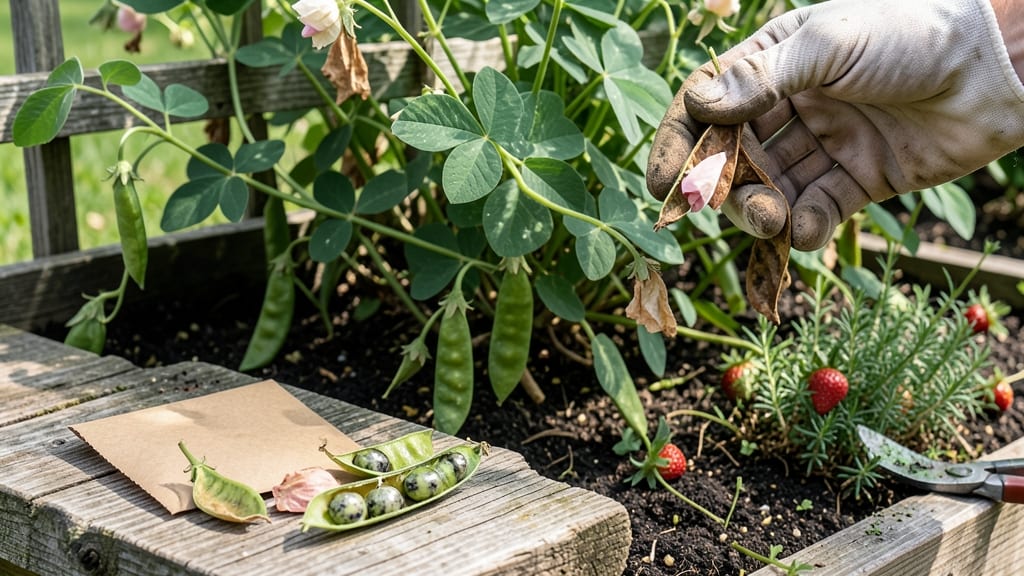
When and how to identify ripe sweet pea seeds for harvesting
Timing is everything when harvesting sweet pea seeds. You’ll want to collect them at the perfect stage—too early, and the seeds won’t be viable; too late, and they’ll scatter on their own.
The ideal window is late summer to early fall, typically 60-90 days after flowering, when the pods have fully matured but haven’t yet split open.
Look for brown, dry pods that rattle when gently shaken—a sure sign the seeds inside are ready. The pods should also feel papery and brittle, almost like they’re about to crack open naturally. Avoid pods that are still green or firm, as these seeds won’t germinate well.
One of my favorite tricks is to harvest on a dry, sunny morning after the dew has evaporated. This minimizes moisture, which can speed up the drying process later.
Use clean, sharp pruning shears to snip the pods directly from the vine, leaving a small stem attached to help with drying.
If you miss the perfect moment, don’t worry! Sweet peas are forgiving. Even if a few pods split open and release seeds prematurely, you can still collect any remaining intact pods. Just avoid harvesting seeds from overripe pods, which may have lost viability or attracted pests.
Pro tip: Label your varieties right when you harvest. Use a small tag or marker to note the color, height, or other distinguishing traits of each sweet pea type. This ensures you’ll know exactly what you’re planting next season and can avoid accidental cross-pollination if growing multiple varieties.
| Stage | Pod Color | Texture | Seed Visibility | Action |
|---|---|---|---|---|
| Not Ready | Green | Firm | Not visible | Leave on vine |
| Ready to Harvest | Brown | Dry, papery | Visible through pod | Harvest immediately |
| Overripe | Split open | Brittle | Seeds scattered | Discard or collect remaining seeds |
Once you’ve identified the ripe pods, cut them carefully to avoid damaging the vine or surrounding pods. I like to work systematically, starting from the bottom of the plant upward.
This ensures I don’t miss any hidden pods and can easily spot any that might have been overlooked earlier in the season.
If you’re growing multiple sweet pea varieties, consider harvesting them at slightly different times. Some varieties mature faster than others, and cross-pollination can lead to mixed colors or traits in your seeds.
To prevent this, either harvest varieties separately or use breeding isolation by spacing plants far apart or growing them in different areas of the garden.
After harvesting, remove any damaged or diseased pods immediately. These can harbor mold or pests that might affect your stored seeds. Only keep pods that are intact, dry, and free of blemishes for the best results.
Finally, don’t rush the drying process. Ripe sweet pea pods need time to fully dry indoors before you extract the seeds. Place them in a well-ventilated, dry area away from direct sunlight, where they can cure for 1-2 weeks.
This step is crucial for ensuring your seeds stay viable until next planting season.
Step-by-step process: extracting, drying, and storing sweet pea seeds for planting
Once you’ve identified your ripe sweet pea pods, the next step is careful extraction to preserve seed viability. Start by cutting the pods from the vine using clean, sharp pruning shears—never pull them off to avoid damaging the plant.
Place the pods in a paper bag or open mesh bag to allow airflow, which prevents mold growth during drying.
Gently open each dry pod with your fingers or a small knife, being cautious not to damage the seeds inside. Remove any discolored or shriveled seeds, as these won’t germinate well. For larger batches, use a seed extraction tray lined with paper towels to catch seeds and chaff separately.
🌱
- 🌿 Harvest pods when fully brown and dry but unopened.
- 🪴 Cut pods from vine with clean shears; avoid pulling.
- 🔍 Open pods gently to remove seeds—discard damaged ones.
- 💧 Dry seeds in a well-ventilated area for 7-10 days.
- ☀️ Store seeds in a cool, dry place in paper envelopes.
- ⏰ Label seeds with variety and harvest date.
After extraction, spread the seeds on a clean, dry surface like a mesh screen or paper towel in a warm, dry location (around 70°F) for 7-10 days. Stir them occasionally to ensure even drying.
Avoid direct sunlight, which can overheat the seeds and reduce viability. Test for readiness by bending a seed—if it snaps cleanly, it’s dry and ready for storage.
For long-term storage, place the dried seeds in paper envelopes or small glass jars with a silica gel packet to absorb excess moisture. Label each container with the variety name and harvest year to avoid confusion.
Store them in a cool, dark place, such as a pantry or refrigerator, where they’ll remain viable for 3-5 years.
One common mistake is rushing the drying process, which can lead to moldy seeds. Another is storing them in plastic bags, which traps moisture and reduces shelf life. Always prioritize proper airflow and low humidity during both drying and storage phases.
Avoid storing seeds in areas with temperature fluctuations, like attics or garages, as this can cause condensation and spoilage. If you notice any signs of mold or musty smells during storage, discard those seeds immediately and restart the process with fresh pods.
With these steps, you’ll ensure your sweet pea seeds stay fresh and ready for next season’s garden. Happy seed saving! 🌻