
How To
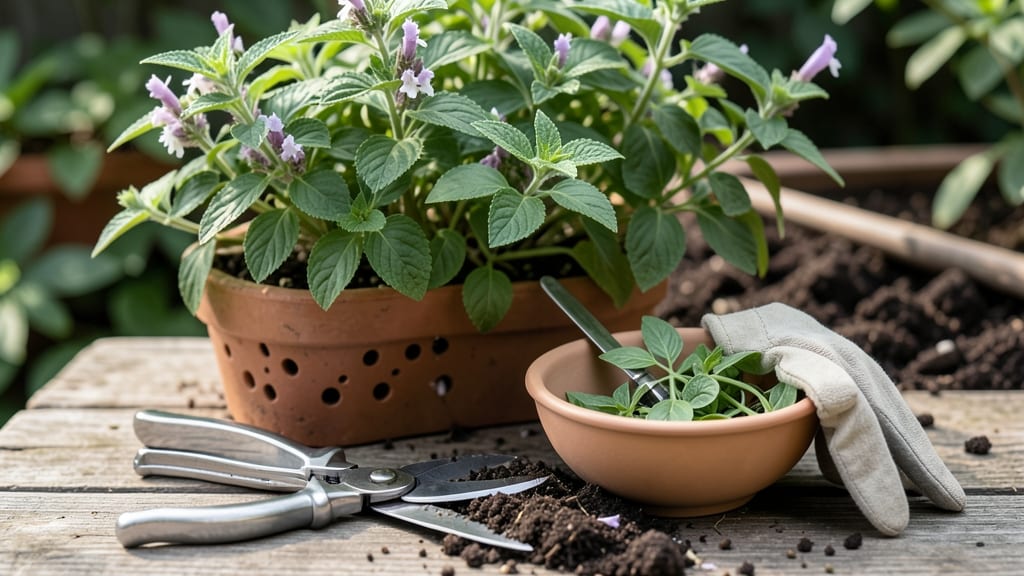
Harvesting tulsi 🌿 at the right time isn't just about getting fresh leaves—it's the key to keeping your plant thriving and flavorful. Pinch too early, and you risk stunted growth or bitter-tasting leaves. Get this timing wrong, and you might even damage your plant permanently.
I've learned the hard way that proper harvesting makes all the difference. When done correctly, you'll encourage bushier growth, stronger aromas, and continuous yields for months. The secret lies in knowing exactly when to cut and how much to take without stressing your plant.
In this guide, I'll show you the precise moments to harvest tulsi for maximum potency, the best tools to use, and how often you can safely take leaves without burning out your plant.
Whether you're a beginner or seasoned gardener, these techniques will transform your tulsi harvest from good to exceptional.
Ready to turn your holy basil into a flourishing, flavorful powerhouse? Let's dive into the step-by-step method that will keep your tulsi happy and productive all season long.
The perfect time to harvest tulsi for maximum flavor & growth
Harvesting tulsi at the right moment transforms your plant from a bitter, leggy mess into a bushy, aromatic powerhouse. The key? Timing—specifically, when your plant hits 60-90 days of growth and shows these three signs: vibrant green leaves, slightly woody stems, and 6+ inches of new growth.
I’ve learned the hard way that harvesting too early means weak flavor, while waiting too long risks overly bitter leaves.
Morning is your golden window for harvesting. Why? Cooler temperatures preserve essential oils that give tulsi its signature aroma and health benefits. Plus, leaves are fully hydrated after overnight water absorption, making them crisp and potent.
If you must harvest in the evening, do it 2-3 hours before sunset to avoid wilting or bitterness from heat stress.
Tulsi plants thrive on regular pinching, but only when they’ve developed 4-6 mature leaves per stem. This triggers lateral branching, resulting in a denser, more productive plant.
I start harvesting my Krishna tulsi variety when the third set of leaves appears—this is when the plant’s energy shifts from vertical growth to leaf production. Skipping this step leads to tall, sparse stems with fewer leaves.
Here’s a pro tip: Crush a leaf between your fingers before harvesting. If it releases a strong, sweet scent, it’s ready. A weak or earthy smell means it’s not yet mature enough.
I’ve also noticed that green tulsi (Spiritual) tends to be ready 1-2 weeks earlier than Krishna tulsi (Dark), so adjust your timeline accordingly.
Seasonal shifts matter too. In spring and summer, tulsi grows aggressively, so you can harvest every 2-3 weeks. During monsoon season, growth slows, so I reduce harvesting to every 4-6 weeks to avoid stressing the plant.
Winter is a no-harvest zone—let your tulsi rest unless you’re in a mild climate (Zone 9+), where you can lightly prune for indoor use.
🌿 Tulsi Harvest Readiness
The perfect time to harvest tulsi for maximum flavor & growth
Harvesting tulsi at the right time ensures you get the most potent flavor and encourage bushier regrowth. The best moment is early morning, right after the dew dries but before the sun peaks.
This is when essential oils are at their highest concentration, making your leaves more aromatic and less bitter.
Look for vibrant green leaves that are fully developed—typically 4-6 inches tall—with a slightly woody stem.
Avoid harvesting when leaves are still small or stems are overly soft, as this can stunt growth and reduce yield. Crush a leaf to check for a strong, sweet scent; this confirms it’s ready for harvest.
Never harvest afternoon leaves, as they tend to be more bitter due to higher tannin content from heat stress. Also, avoid harvesting during hot afternoons or when the plant is flowering, as this shifts energy away from leaf production and reduces flavor potency.
| Harvest Stage | Leaf Size | Stem Condition | Best Time | Action |
|---|---|---|---|---|
| Early Growth | Small, tender | Very soft | Avoid harvest | Let grow |
| Mature Leaves | 4-6 inches | Slightly woody | Early morning | Pinch or cut |
| Flowering Stage | Large, bitter | Hard, woody | Avoid harvest | Prune flowers |
For continuous harvesting, focus on the outer leaves first, leaving the inner ones to keep growing. This method, called selective pruning, encourages new growth from the center of the plant. Always use clean, sharp scissors or your fingers to avoid damaging stems, which can lead to disease.
If your tulsi plant starts producing flowers, it’s a sign to prune them immediately. Flowering diverts energy from leaf production, making the leaves less flavorful and more bitter. Pinching off flowers early ensures your plant stays lush and productive for longer.
Remember, consistent harvesting every 2-3 weeks keeps your tulsi compact and bushy. Avoid taking more than one-third of the plant at once, or you risk shocking the roots and reducing future yields. With the right timing, your tulsi will reward you with abundant, aromatic leaves all season long.