
Companion Plants
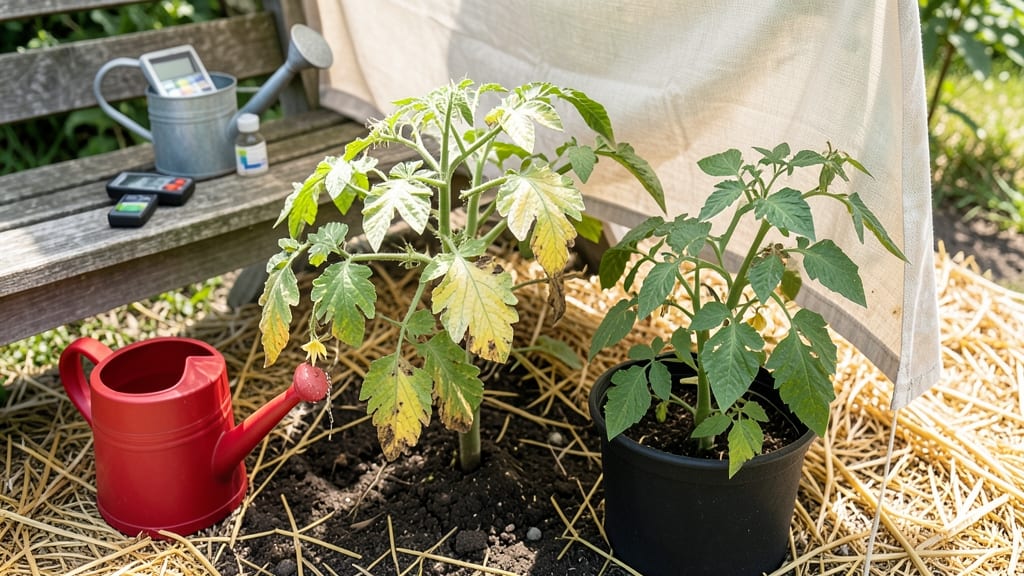
How to heal sunburned plants—they might look like they’ve had a bad day, but they’re not beyond saving. 🌿 I’ve nursed back everything from crispy lettuce to bleached tomato leaves using simple household fixes that work faster than you’d think.
The first step is identifying the damage: look for white or gray patches, crispy edges, or leaves that feel papery to the touch. Unlike sunburn on skin, plant damage can't be rubbed out—but it can heal with the right care.
Start by moving plants to shade immediately, then give them a deep drink of water to help their cells recover.
Within a week, you'll see new growth pushing out from the damaged areas, and the plant will start looking its old self again. For tough cases, a light feeding with diluted fish emulsion boosts recovery. The key is acting fast—once the damage spreads, the plant struggles to bounce back.
Prevention is easier than repair: gradually introduce plants to sunlight, choose shade-tolerant varieties for hot spots, and always water deeply before midday heat. My sunburned tomatoes now grow in partial shade, and they’ve never looked better.
📚 In This Guide
- What you need
- Instructions
- Tips and common mistakes
- Wrapping up and next steps
What you need
- ● Watering can or spray bottle – A light misting option (like a spray bottle) works best for tender plants.
- ● Pruning shears or scissors – Sterilized (rubbing alcohol wipe) to trim severely damaged leaves.
- ● Household spray bottle – For DIY cooling solutions (e.g., water + aloe vera).
- ● Shade cloth or lightweight fabric – A 50% shade cloth (or an old sheet) to protect plants from direct sun.
- ○ Organic mulch (optional but helpful) – Straw, wood chips, or coconut coir (1–2 inches thick) to retain moisture.
- ● Commercial plant healing spray – Look for aloe vera-based or silica-rich formulas (e.g., Bonide or Neem oil blends).
- ● Hydrogen peroxide (3%) – 1 tsp per gallon of water to disinfect cuts and promote healing.
- ● Epsom salt – 1 tbsp per gallon of water for magnesium boost (great for stressed plants).
- ● Fan or oscillating fan – To improve air circulation around recovering plants.
Step-by-Step instructions for reviving sunburned plants
Here's my go-to method for bringing scorched plants back to life using what you already have at home.
💧 Step 1: Trim the Damaged Areas Immediately
First, grab a pair of clean, sharp scissors or pruning shears. Cut away any leaves that are crispy, white, or completely browned—these won’t recover and will just drain energy from healthy growth. I always trim just above a leaf node or healthy bud where new growth can emerge. You’ll see the plant’s natural shape start to reappear as you work.
Don’t worry about making perfect cuts—focus on removing only the worst damage. If you’re unsure whether a leaf is salvageable, give it a gentle tug. If it pulls away easily, it’s dead and should go. This step is all about removing the problem, not trying to "fix" the damage.
✂️ Step 2: Provide Temporary Shade Relief
Move your plant to a spot with dappled shade or indirect light for at least 3-5 days. If you can’t relocate it, create shade with a sheer curtain, a piece of lightweight fabric, or even a white bedsheet draped over a frame. The goal is to block the harsh midday sun while still allowing some light for photosynthesis.
Check the plant daily for new signs of stress. If the leaves start showing yellowing around the edges after shade treatment, that’s a good sign—the plant is starting to recover. Avoid moving it back into full sun too soon, even if it looks better. Patience here prevents setbacks.
💧 Step 3: Hydrate with Deep, Gentle Watering
Water the plant deeply at the base, ensuring the soil is moist but not soggy. Sunburned plants often have compromised roots, so they can’t handle the same watering routine as healthy ones. I like to use a watering can with a narrow spout to direct moisture right to the root zone without disturbing the soil surface.
Wait until the top 1-2 inches of soil feel dry before watering again. Overwatering now can lead to root rot, which is the last thing a stressed plant needs. If the soil feels damp after a few days, hold off—you’ll know it’s ready when the surface looks slightly dry and pulls away from the pot edges.
☀️ Step 4: Protect with a Light Mulch Layer
Spread a thin layer of mulch—like shredded leaves, straw, or even crumpled newspaper—around the base of the plant. This helps retain moisture and keeps roots cool. Avoid piling mulch against the stem, as this can trap too much moisture and cause rot. A ½-inch layer is plenty to make a difference without smothering the plant.
This step is especially helpful if your plant is in a container, where soil dries out faster. Mulch acts like a natural blanket, moderating temperature swings that can stress already vulnerable foliage. You’ll notice the soil stays moist longer, which gives the plant more time to recover.
🌱 Step 5: Monitor and Gradually Reintroduce Sun
After 5-7 days of shade and care, start acclimating the plant to more light. Move it to a spot with morning sun for a few hours, then gradually increase exposure over 7-10 days. Watch for new growth—this is your signal that the plant is healing. If you see fresh leaves emerging, it’s ready for a bit more sun each day.
If the plant shows signs of stress again (like wilting or new brown spots), slow down the process. Some plants, like succulents or tropicals, recover faster than others. Don’t rush—better to take an extra week than risk setting it back. With consistent care, you’ll see full recovery in 2-4 weeks.
Tips & tricks for reviving sunburned plants
Real talk: I've seen plants that looked hopeless come back stronger than ever with these simple tweaks. Here's what nobody tells you about bringing scorched foliage back to life.
Trimming Technique: When you're cutting away damaged leaves in Step 1, don't just grab the crispy parts—look for the transition point where healthy green meets brown. This is often where new growth will emerge. I like to make my cuts at a slight angle just above a leaf node, which helps water run off better and prevents disease entry points. This small detail makes all the difference in how quickly your plant recovers.
Shade Strategy: The 3-5 days of shade in Step 2 are non-negotiable for most plants, but here's the secret: create a movable shade system. Use a frame with sheer fabric or even a white umbrella to protect your plant during peak sun hours (10am-4pm) while still allowing morning light. This gives you flexibility to move the shade as your plant improves, rather than being stuck with a fixed location. You'll notice new growth appears faster when you can control the light exposure precisely.
Watering Wisdom: Step 3's deep watering is crucial, but timing matters just as much. Water in the early morning when temperatures are coolest—this gives the soil time to absorb moisture before the heat of the day. I've seen plants recover faster when they get this consistent morning hydration. Also, if your plant is in a container, let it soak in a tray of water for 10-15 minutes to ensure even moisture distribution through the root ball.
Mulch Magic: That ½-inch layer of mulch in Step 4 does more than just retain moisture—it acts as insulation. For container plants, I often double that amount (1 inch) since they dry out faster. The key is to keep it loose around the base, not piled against the stem. You'll see the difference in how quickly the soil stays moist and how stable the root zone temperature remains, especially on hot days.
Pro Tips for Heal Sunburned Plants
- Real talk: I've seen plants that looked hopeless come back stronger than ever with these simple tweaks.
- Trimming Technique: When you're cutting away damaged leaves in Step 1, don't just grab the crispy parts—look for the transition point where healthy green meets brown.
- Shade Strategy: The 3-5 days of shade in Step 2 are non-negotiable for most plants, but here's the secret: create a movable shade system.
Frequently asked questions
Got questions about reviving your sunburned plants? Here are some common concerns and quick answers to help you get back on track!
How long does it take for sunburned plants to recover?
Most plants show improvement within 3–7 days if treated promptly. Severe cases may take 2–4 weeks to fully heal. Keep an eye on new growth—if it’s still yellowing or wilting after two weeks, your plant may need extra care (like pruning damaged leaves or adjusting sunlight exposure).
Can I use vinegar or lemon juice to heal sunburned plants?
No, avoid acidic solutions like vinegar or lemon juice—they can worsen damage by further stressing the plant. Stick to gentle remedies like aloe vera gel, diluted milk, or shade relief. If you’re unsure, stick to water-based treatments or diluted hydrogen peroxide (1 part to 10 parts water).
What’s the best time of day to treat sunburned plants?
Apply treatments early morning or late evening when temperatures are cooler. This helps the plant absorb moisture without added stress from midday sun. Avoid treating during peak heat (10 AM–4 PM), as the solutions may evaporate too quickly or cause further harm.
Will my plant survive if the leaves are crispy and black?
It depends! If only the outer leaves are crispy, prune them back and focus on recovery. However, if the entire plant is blackened or mushy, it’s likely dead. Check the stems—if they’re still firm, there’s hope. For severe cases, propagate healthy cuttings if possible.
How can I prevent sunburn in the future?
Start by gradually acclimating plants to sunlight (a process called "hardening off"). Use shade cloth (30–50%) for delicate plants, and water deeply in the morning to help leaves reflect sunlight. Avoid placing plants in intense afternoon sun without protection, especially in hot climates.
Wrapping up and next steps
Healing sunburned plants doesn’t have to be complicated—with a little care and the right household fixes, your greenery can bounce back stronger than ever! 🌱✨ Remember, the key is acting fast, keeping them hydrated, and shielding them from further stress.
Now that you’re armed with these tips, take action today—check your plants, trim the damage, and give them the TLC they deserve.
Your next step? Monitor their progress and adjust care as needed. Soon, your sunburned plants will be thriving again—one leaf at a time! 🌿💚