
Pests
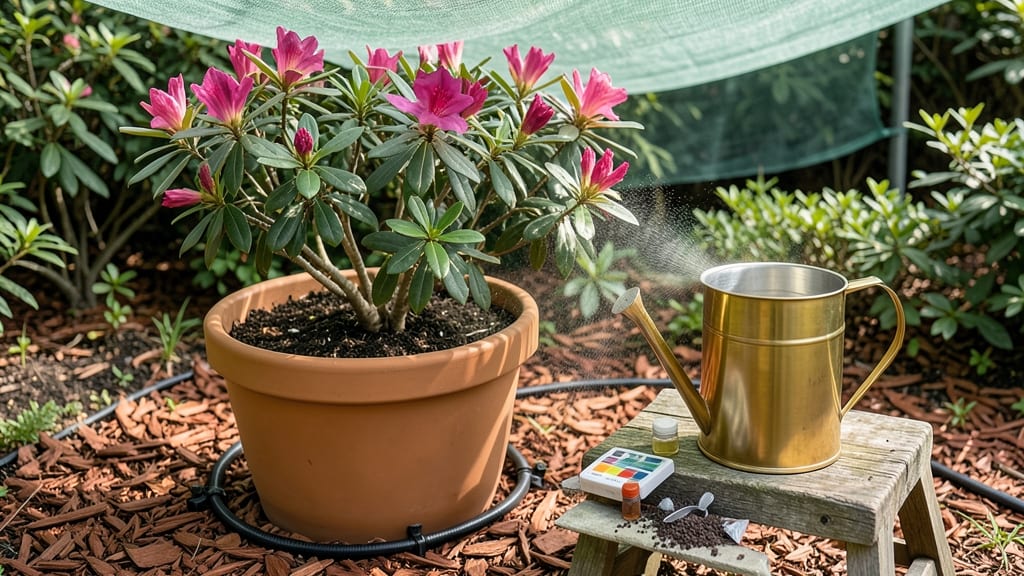
How to keep azaleas alive feels like solving a mystery—one wrong move and they wilt, but get it right and they explode with color. 🌸 I’ve lost count of the azaleas I’ve nursed back to life, and the secret isn’t complicated: acid-loving soil, consistent moisture, and smart pruning. Most people overlook the pH test, which is the real game-changer.
The biggest killers are overwatering, alkaline soil, and ignoring pests like lace bugs or spider mites. I’ve seen azaleas recover from all three with the right adjustments—like swapping garden soil for peat moss or pine bark and checking the pH with a simple test kit.
A morning watering routine keeps roots happy without drowning them.
By summer’s end, you’ll have glossy, dark-green leaves and buds forming for next spring’s blooms. The key is patience—azaleas reward long-term care, not quick fixes. Once you nail the basics, they’ll thrive for decades, becoming the showstopper of your landscape.
Whether you’re battling yellowing leaves, sparse blooms, or pests, the fixes are simpler than you think. Let’s troubleshoot your azalea’s struggles step by step—no guesswork, just results.
📚 In This Guide
- What you need
- Instructions
- Tips and common mistakes
- Wrapping up and next steps
What you need
- ● Azalea plants: Healthy, disease-free specimens (choose from Rhododendron varieties like Girard’s Hybrid or Encore Azalea for resilience).
- ● Well-draining acidic soil: Aim for a pH of 4.5–6.0. Mix in 1–2 inches of peat moss or pine bark per square foot to improve drainage and acidity.
- ● Organic mulch: 3–4 inches of pine straw, wood chips, or composted leaves to retain moisture and suppress weeds.
- ● Slow-release fertilizer: Use a 10-10-10 or 8-3-9 NPK formula labeled for acid-loving plants. Apply every 6–8 weeks during growing season (spring to fall).
- ● Watering can or hose with a gentle spray nozzle: Azaleas need 1–1.5 inches of water per week, but avoid soggy roots.
- ● Pruning shears: Sharp, clean shears (sterilize with rubbing alcohol between cuts) to trim dead or diseased branches.
- ● Neem oil or insecticidal soap: For organic pest control (e.g., lace bugs, spider mites, or scale insects). Follow label instructions for dilution.
- ○ Horticultural oil or systemic insecticide: Optional for severe infestations (e.g., borers or aphids). Choose pet-safe options if animals roam your yard.
- ● Garden gloves: Nitrile or rubber gloves to protect your hands from sap and chemicals.
- ● pH testing kit: To monitor soil acidity annually (or use vinegar and baking soda as a DIY test).
- ● Azalea-specific fungicide: Such as copper fungicide for powdery mildew or mycorrhizal fungi to boost root health.
- ● Drip irrigation system: Automates watering and ensures consistent moisture (great for large gardens!).
- ● Bird netting: Protects blooms from hungry birds if they’re a problem in your area.
- ● Soil amendments: Like sulfur (to lower pH) or composted manure (for nutrients).
- ● Plant tags or journal: Track watering schedules, fertilizing dates, and pest issues for future reference.
Tips & tricks for year-round azalea care
Between us, these little details make all the difference between azaleas that just survive and ones that truly thrive.
Soil Science Matters: The 2:1 peat moss to perlite ratio in Step 1 isn't just arbitrary—it creates the perfect balance of moisture retention and drainage azaleas crave. I've seen plants struggle when people skip the perlite, leading to compacted soil that suffocates roots. Test that soil pH with a kit before planting; if it's above 6.0, you're basically setting up your azalea for failure.
Watering Wisdom: That "top 2 inches moist" guideline in Step 2 is your golden rule. I learned this the hard way after drowning a plant—azaleas prefer their roots to dry out slightly between waterings. The soaker hose isn't just a recommendation; it's a game-changer for preventing fungal issues. And remember: winter watering should be your gut check—if the ground isn't frozen, check that moisture level before adding more.
Pruning Precision: Timing is everything when you prune right after blooming in Step 3. I always mark my calendar because missing this window means cutting off next year's flower buds. When you see those bud nodes, cut just above them at a 45-degree angle—this encourages bushier growth. And never, ever prune in fall; it stresses the plant before dormancy and weakens winter hardiness.
Winter Protection Hacks: The 10°F threshold for covering young plants isn't just a number—it's when cell damage starts. I've used everything from old bedsheets to purpose-built plant wraps, but burlap remains my go-to because it breathes while still providing insulation. For mature plants, that 1-2 inch mulch layer acts like a cozy blanket, protecting roots from temperature swings that can shock the system.
Pro Tips for Keep Azaleas Alive
- Between us, these little details make all the difference between azaleas that just survive and ones that truly thrive.
- Soil Science Matters: The 2:1 peat moss to perlite ratio in Step 1 isn't just arbitrary—it creates the perfect balanc...
- Watering Wisdom: That "top 2 inches moist" guideline in Step 2 is your golden rule. I learned this the hard way after...
Frequently asked questions
about keeping azaleas alive—because even the toughest gardeners need a little help! Here are answers to the most common concerns.Why are my azalea leaves turning yellow?
Yellowing leaves are often a sign of overwatering or nutrient deficiencies. Check the soil—it should be moist but not soggy. Test for pH (ideal: 4.5–6.0) and fertilize with an acid-loving plant formula in early spring. Pro tip: Yellow edges may also mean too much sun—try partial shade.
Can azaleas survive winter in cold climates?
Yes! Mulch heavily (3–4 inches) with pine straw or shredded bark to insulate roots. In zones 6–8, wrap young plants in burlap or use frost cloth. Avoid winter pruning—wait until late spring after blooms fade. Bonus: Evergreen varieties handle cold better than deciduous types.
How do I get rid of pests like lacewings or spider mites?
Start with a hose-down to dislodge pests, then apply neem oil or insecticidal soap (follow label rates). For severe infestations, use systemic granules like imidacloprid. Prevent future issues by keeping plants healthy—stressed azaleas attract pests! Warning: Avoid chemical sprays during bloom.
Should I prune azaleas after they bloom?
Prune right after flowering (late spring) to shape the plant and encourage next year’s blooms. Remove dead, crossing, or overcrowded branches first. Use clean, sharp shears and avoid cutting into old wood—azaleas bloom on new growth. Tip: Light pruning in fall can also help air circulation.
Are there azalea alternatives for low-maintenance gardens?
If azaleas seem high-maintenance, try camellias (similar care but more drought-tolerant) or rhododendrons (hardier in cold climates). For zero-fuss options, hydrangeas or butterfly bushes thrive with minimal fuss. Just ensure they match your soil pH—most prefer acidic conditions like azaleas! Quick fix: Test soil before planting.
Wrapping up and next steps
Keeping your azaleas alive and blooming beautifully is all about consistent care, patience, and a little know-how—whether it’s protecting them from pests, ensuring proper watering, or giving them the right soil and sunlight.
With the right tools and techniques, you’ll watch your azaleas thrive year after year, filling your garden with vibrant color and life. Now’s the perfect time to roll up your sleeves and give your azaleas the love they deserve!
🌿 Next step: Grab your gloves, check your garden’s conditions, and start implementing these tips today. Your azaleas will thank you with stunning blooms for seasons to come!