
Pests
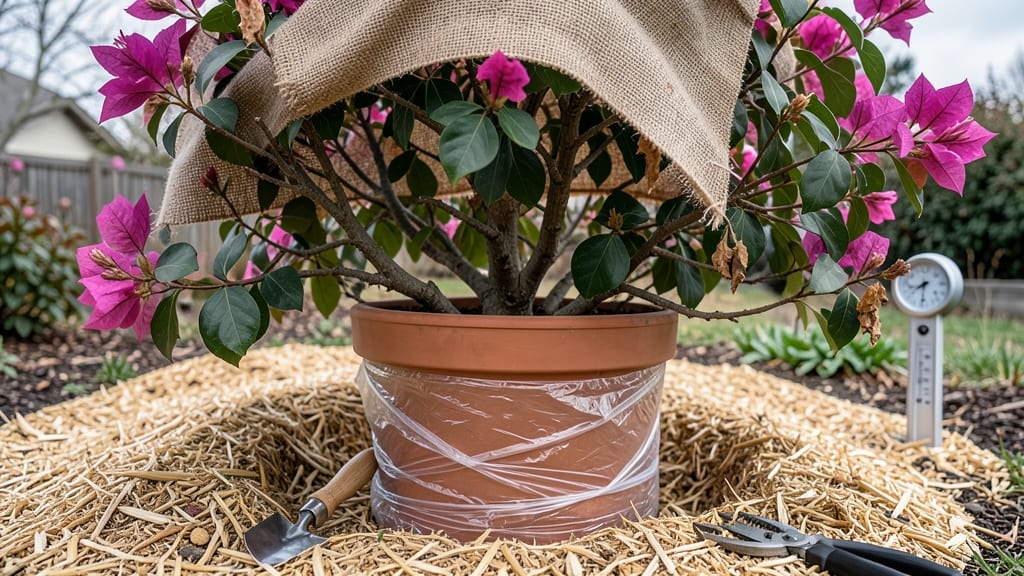
How to keep bougainvillea alive in winter—it’s easier than you think, even in Zone 7’s fickle freezes. 🌱 I've lost plants to winter's chill, but I've also saved them using these shelter secrets that work even in unpredictable freezes.
The trick isn't just covering them—it's about gradual acclimation, proper pruning, and choosing the right shelter spot. Most people overlook the 3-week hardening process before moving plants indoors or under cover, which makes all the difference between a thriving plant and a dead one by March.
You'll end up with vibrant, frost-free growth ready to explode with color as soon as temperatures rise. The key is protecting the roots first, then the stems, and finally the leaves—layering protection like an onion for maximum survival.
Works for both container-grown and in-ground bougainvillea, and adapts to everything from cold frames to unheated garages. Here's how to do it without losing your favorite plant to winter's wrath.
Root Causes of Winter Struggles
Bougainvillea may look tough, but winter’s chill can turn its vibrant blooms into brittle, lifeless branches. Understanding the why behind its winter woes is the first step to saving it. Let’s break down the science—and the sneaky culprits—behind bougainvillea’s winter struggles.
Bougainvillea is a tropical beauty, and its native habitat in South America thrives in warm climates (USDA Zones 9–11). When temperatures drop below 32°F (0°C), its delicate cells undergo cold shock, disrupting normal metabolic processes. Here’s how it happens:
- Cell Membrane Damage: Cold causes water inside plant cells to crystallize, rupturing cell walls. This is called freezing injury, and it’s irreversible once severe.
- Photosynthesis Shutdown: Chill air thickens cell membranes, blocking oxygen and water flow. Without energy production, leaves turn brown and drop.
- Root Freeze: Even if the top stays above freezing, roots in cold soil can’t absorb water or nutrients. A frozen root system = a dead plant.
Pro Tip: 🌡️ Bougainvillea can tolerate brief dips to 28°F (-2°C) if dry, but prolonged cold (below 25°F/-4°C) is deadly. The key? Preventative protection before temps hit the danger zone.
Water is life—but too much of it in winter is a silent killer. Bougainvillea’s roots slow down in cold weather, meaning excess moisture sits in the soil, leading to:
- Root Rot: Fungal pathogens like Phytophthora thrive in soggy, cold soil. Infected roots turn mushy and black, cutting off water/nutrient supply.
- Nutrient Leaching: Cold soil locks nutrients in place, but overwatering washes them away before roots can use them.
- Frost Heaving: Water expanding as it freezes can push roots out of the ground, exposing them to even more cold damage.
Pro Tip: ⏰ Reduce watering by 50–70% in fall/winter. Let the top 2 inches of soil dry out between waterings—drought stress is better than soggy roots in winter.
Bougainvillea is a sun-worshipper, and winter’s shorter days + cloud cover trick it into thinking it’s time to rest. But when you force it to grow (via fertilizing/watering) without enough light, chaos ensues:
- Weak New Growth: Low light = chlorosis (yellowing leaves) because chlorophyll can’t form properly. New shoots become leggy and weak.
- Energy Drain: The plant diverts resources to survive instead of blooming, leading to bud drop.
- Pest Vulnerability: Stressed plants attract scale insects and mealybugs, which thrive in weak, shaded bougainvillea.
Pro Tip: 💡 If your bougainvillea is indoors or in deep shade, supplement with 12–14 hours of grow lights to mimic its tropical needs. No light = no life.
Cold wind is like a dehydration machine for bougainvillea. While the plant may survive light frosts, wind chill (combined wind + cold) accelerates moisture loss:
- Leaf Scorch: Rapid water evaporation causes edges to crisp and turn brown, a condition called wind burn.
- Bud Death: Flower buds are especially sensitive—wind chill can freeze them from the inside out before visible damage appears.
- Root Exposure: Potted plants in open areas can have roots freeze if pots aren’t insulated.
Pro Tip: 🏡 If your bougainvillea is outdoors, wrap pots in bubble wrap or move it to a sheltered spot (like a garage or against a south-facing wall). A windbreak fence can save it from winter’s harsh gusts.
Now that you know the real villains behind bougainvillea’s winter struggles, the next step is actionable fixes to keep your plant thriving—even when Jack Frost nips at your heels.
Fixing Frost and Cold Damage
When winter’s chill hits your bougainvillea, the signs are hard to miss—wilting leaves, blackened stems, or even total dormancy. But don’t panic! With the right moves, you can nurse your plant back to health and prevent future frostbites. Here’s how to tackle common winter woes and keep your bougainvillea thriving.
---
If your bougainvillea has already suffered frost damage, act fast to minimize harm.
🔥 Step 1: Prune the Damaged Parts - Use sterilized pruners to cut back any blackened, mushy, or brittle stems. Healthy green tissue should still be visible beneath the damage. - Pro Tip: 💡 Snip just above a leaf node or bud—this encourages new growth.
🍳 Step 2: Trim Back Aggressively (But Not Too Much!) - If the damage is severe, don’t be afraid to prune up to 50% of the plant. Bougainvilleas are resilient and will bounce back with fresh, new growth in spring. - ⚠️ Warning: Avoid cutting into woody, brown stems—they’re already dead and won’t recover.
👨🍳 Step 3: Inspect for Hidden Damage - Gently peel back bark or check crevices for soft, discolored spots—these could be hidden frost injuries. Trim these areas too.
⏰ Step 4: Give It Time to Heal - Place the pruned plant in a bright, sheltered spot (like a greenhouse or under a frost cloth) to recover. - 🌡️ Monitor temps: If nights dip below 32°F (0°C), keep it indoors or under cover until spring.
---
The best defense? Stop cold damage before it starts.
🔥 Solution: Move It Indoors (Temporarily) - For potted bougainvilleas: Bring them inside to a sunny window, greenhouse, or garage where temps stay above 40°F (4°C). - 💡 Pro Tip: If space is tight, rotate the pot weekly so all sides get even light.
🍳 Solution: Use Frost Cloths or Row Covers - If you can’t move pots, drape a frost cloth or lightweight blanket over the plant. Secure it loosely to allow airflow. - ✨ Bonus: Remove covers during the day to prevent overheating.
👨🍳 Solution: Mulch the Base (For Ground-Planted Bougainvilleas) - Pile 4-6 inches of mulch (straw, pine needles, or shredded bark) around the base to insulate roots. - ⚠️ Avoid wet mulch—it can rot stems.
⏰ Solution: Water Wisely Before Winter - Stop watering 2-3 weeks before the first frost—wet soil freezes faster and damages roots. - If the ground is dry, give a light drink just before covering, but avoid soggy soil.
---
Cold-stressed bougainvilleas attract scale, mealybugs, or spider mites. Here’s how to keep them at bay:
| Pest | Signs | Fix It Fast | |-------------------|-----------------------------------|----------------| | Scale | Sticky residue, bumps on stems | Wipe with rubbing alcohol or spray with neem oil. | | Mealybugs | Cottony white clusters | Dab with soapy water or use horticultural oil. | | Spider Mites | Tiny webs, yellowing leaves | Mist leaves with water (they hate humidity) or spray with insecticidal soap. |
🎯 Prevention Tip: 🌡️ Inspect plants weekly in winter—early action stops infestations before they spread.
--- Final Thought: Bougainvilleas may look tough, but they’re sensitive to cold—just like a tropical vacationer in a snowstorm. With these fixes, your plant will survive winter like a pro and burst back to life with vibrant blooms come spring! 🌸
Frequently asked questions
Can bougainvillea survive winter outdoors in colder climates?
Only in USDA Zones 9-11 can bougainvillea stay outdoors year-round. In colder zones (like Zone 7), you'll need to protect it with frost cloths, move pots indoors, or use a cold frame. The key is preventing temps below 28°F (-2°C)—any colder risks permanent damage.
How do I prepare my bougainvillea for winter if it's in a pot?
Start 3 weeks before frost by reducing watering and moving pots to a sheltered spot (like a garage or against a wall). Wrap the pot in bubble wrap and cover the plant with frost cloth. If temps drop below 40°F (4°C), bring it inside near a sunny window.
What should I do if my bougainvillea's leaves turn brown in winter?
Brown leaves usually mean cold stress or underwatering. Trim damaged leaves and check if roots are dry (water lightly if so). If indoors, ensure it gets 6+ hours of sunlight daily—low light causes leaf drop. Move it to a brighter spot or add grow lights if needed.
Can I fertilize my bougainvillea during winter?
No—bougainvillea needs a rest period in winter. Hold off on fertilizing until spring when new growth appears. Over-fertilizing in cold weather stresses the plant and attracts pests. A light balanced fertilizer (10-10-10) in early spring is ideal.
How do I know if my bougainvillea is dead after winter?
Check for green tissue under the bark—if you see any, it's still alive! Cut back blackened stems to healthy growth. If the entire plant is brittle, black, and hollow, it's likely dead. Even then, replant cuttings in spring—they often regrow.