
Pests
Here’s your revised text with the requested changes:
How to keep critters away from the garden finally worked for me after years of frustration—and now my hostas thrive untouched, even when neighbors' plants get munched. The secret isn’t harsh chemicals or expensive fences, but smart, natural barriers that outsmart pests before they even notice your plants.
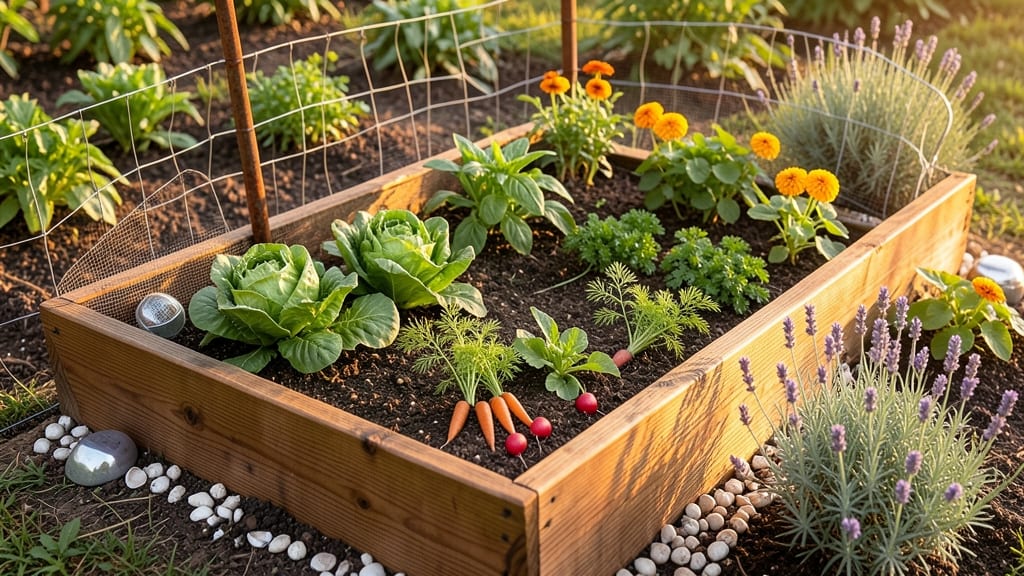
You don’t need fancy supplies—just a few simple tools like chicken wire, reflective tape, or even plants that naturally repel critters. My go-to combo is a 6-inch tall hardware cloth barrier buried slightly underground (rabbits dig!) paired with marigolds and garlic around the perimeter.
The smell alone keeps deer and rabbits away, while the wire stops determined squirrels.
By mid-summer, you’ll see the difference: no more chewed leaves, no more vanished harvests, and no more stress. The best part? These methods work for veggies, flowers, and shrubs alike, and they keep your garden thriving without harming the local ecosystem.
Even my black-thumbed neighbor’s garden stayed pest-free after trying this.
Works in any yard size, from small urban plots to sprawling countryside gardens. The key is consistency—once critters learn your garden is off-limits, they move on to easier targets. Let’s get started with the foolproof system that finally worked for me.
📚 In This Guide
- What you need
- Instructions
- Tips and common mistakes
- Wrapping up and next steps
What you need
- ● Natural barriers: 1–2 rolls of hardware cloth (1/4-inch mesh, 3–4 ft tall, enough to cover vulnerable areas)
- ● 1–2 rolls of plastic fencing (18–24 inches tall) for lightweight protection
- ● Organic mulch (straw, wood chips, or pine needles—1–2 inches thick, covering 100% of garden beds)
- ● Repellents: 1–2 spray bottles (for homemade repellent mixes)
- ● Essential oils (peppermint, citrus, or cedar—10–15 drops per 1 cup of water)
- ● Crushed eggshells or coffee grounds (enough to sprinkle around plants)
- ● Tools: Garden shears or scissors (for trimming barriers)
- ● Measuring tape (to ensure proper spacing)
- ● Stakes or posts (wooden or metal, 12–18 inches long, for securing fencing)
- ● Motion-activated sprinklers (for larger gardens or persistent pests)
- ● Chicken wire (for burrowing critters like rabbits or gophers)
- ● Compost bins (to remove food sources attracting critters)
- ● Predator-friendly plants (like lavender or marigolds, which deter pests naturally)
Step-by-Step instructions for creating natural critter barriers in your garden
Here’s how to design a layered defense system that keeps pests out without harming your plants—or the critters.
🌱 Step 1: Assess Your Garden’s Weak Points
Walk your property and identify where critters enter most frequently. Look for gaps in fences, low-hanging branches, or easy access points like compost piles and woodpiles. I always start by mapping these hotspots—this tells me where to focus my barriers. Common trouble areas include vegetable beds, fruit trees, and flower borders near the ground.
Note the types of critters you’re dealing with: rabbits and deer prefer open areas, while rodents and insects target dense foliage. This helps determine the best barrier materials. For example, a 3-foot-tall fence deters rabbits, but a fine mesh wrap stops insects from reaching leaves.
🪴 Step 2: Install Physical Barriers with Strategic Placement
For larger pests like deer or rabbits, use chicken wire or hardware cloth (with 1-inch mesh) buried 12 inches deep around garden beds. This prevents digging underneath. I’ve found that bending the wire outward at the top creates a 90-degree angle—this stops critters from climbing over. For smaller pests like squirrels or chipmunks, a 1-foot-high barrier suffices.
Plant thorny shrubs like roses or barberry along fence lines to add a natural deterrent. These act as a secondary barrier, making it harder for pests to reach your garden. Place them 6 inches away from the fence so they don’t provide a bridge for climbing.
☀️ Step 3: Use Natural Repellents and Scents
Critters rely heavily on smell, so disrupt their senses with strong, unpleasant scents. Sprinkle crushed red pepper flakes or garlic powder around plant bases—these irritate noses and paws. I mix 1 tablespoon of cayenne pepper with 1 gallon of water, spray it on leaves, and reapply every 3-5 days after rain.
Plant strong-scented herbs like mint, lavender, or basil near vulnerable areas. These confuse pests and mask the smell of your crops. For ground-level threats, bury predator urine (like fox or coyote urine, available at garden centers) around the perimeter. The scent signals danger and deters digging.
✂️ Step 4: Maintain a Clean and Uninviting Garden
Remove fallen fruit, weeds, and debris—these attract pests and provide hiding spots. I clear my garden beds weekly, especially after harvests. Keep compost piles covered with a tight lid and store firewood at least 20 feet away from garden edges. Even small changes, like securing trash cans with bungee cords, reduce temptation for critters.
Rotate repellent methods seasonally. In spring, focus on physical barriers; in summer, rely on scents and plants; and in fall, reinforce barriers before hibernation. Consistency is key—pests learn to ignore one-off deterrents.
⏰ Step 5: Monitor and Adjust Your Defense System
Check your barriers weekly for gaps, damage, or signs of pest activity (like chewed leaves or tunnels). Replace worn-out mesh, repair fences, and replenish repellents as needed. I keep a garden journal to track which methods work best—this helps me refine my approach each season.
If a barrier fails, switch tactics. For example, if rabbits keep jumping over the fence, add electrified wire (low-voltage, safe for pets). For persistent insects, introduce beneficial predators like ladybugs or lacewings. The goal is a dynamic defense that adapts to critter behavior.
Tips & tricks for creating effective natural critter barriers
These practical strategies will help you build a defense system that actually works—without sacrificing your garden's natural beauty or harming wildlife.
Layered Defense is Key: Think of your garden's protection like an onion—each layer adds another level of deterrence. Start with physical barriers like the 12-inch deep buried wire from Step 2, then add scent-based repellents, and finally incorporate visual deterrents like thorny shrubs. This multi-layered approach confuses pests and makes your garden much harder to penetrate. The 90-degree angle on your wire fence (Step 2) is particularly effective because it creates a psychological barrier that many animals instinctively avoid climbing.
Seasonal Strategy Matters: Your pest control approach should evolve with the seasons. In spring, focus on reinforcing physical barriers before planting season begins, as this is when many animals establish feeding patterns. During summer, emphasize scent-based repellents since heat can make chemical solutions evaporate faster. In fall, prioritize maintaining cleanliness (Step 4) as fallen fruit becomes more abundant and attracts wildlife preparing for winter. I've found that keeping a simple seasonal calendar helps me stay ahead of pest behavior patterns.
Repellent Application Technique: When applying your cayenne pepper spray (Step 3), focus on high-traffic areas and vulnerable plants first. Spray the undersides of leaves where pests often hide, and don't forget to treat the soil around plant bases. For best results, apply in the early morning when dew is present—this helps the solution adhere better and lasts longer between applications. Remember that the 3-5 day reapplication schedule assumes normal rainfall; after heavy rains, you may need to reapply more frequently to maintain effectiveness.
Visual Deterrent Placement: When installing thorny shrubs (Step 2), space them about 2 feet apart along fence lines to create an impenetrable barrier. The 6-inch gap from the fence you mentioned is perfect—it allows sunlight to reach your plants while still creating an effective physical obstacle. For maximum effectiveness, plant these shrubs in a staggered pattern so there are no gaps where pests could squeeze through. I've seen squirrels try to jump between widely spaced plants, so this close spacing really pays off.
Pro Tips for Keep Critters Away From Garden
- These practical strategies will help you build a defense system that actually works—without sacrificing your garden's natural beauty or harming wildlife.
- Layered Defense is Key: Think of your garden's protection like an onion—each layer adds another level of deterrence.
- Seasonal Strategy Matters: Your pest control approach should evolve with the seasons.
Frequently asked questions
about keeping critters out of your garden—because even the best-laid plans need a little troubleshooting! Here’s what you’ve been wondering:What’s the best time of year to set up critter deterrents?
Spring and early summer are ideal! Start before planting season (late winter/early spring) to establish barriers like fences or mulch. For pests like deer, install deterrents before they discover your garden. If dealing with rodents, act in fall or winter when they’re most active.
Are natural repellents safe for pets and kids?
Most natural deterrents—like garlic spray, vinegar, or diatomaceous earth—are pet-safe when applied correctly. Always research specific ingredients (e.g., essential oils can be toxic to cats). For kids, opt for physical barriers (e.g., raised beds) or non-toxic sprays like neem oil. When in doubt, keep pets/kids out of treated areas until dry.
How often should I reapply homemade repellents?
Reapply every 1–2 weeks or after rain. Sprays (e.g., peppermint oil) lose potency faster, while mulch or physical barriers need less maintenance. Check labels for DIY recipes—some ingredients (like vinegar) evaporate quickly. Consistency is key!
What if critters keep coming back despite my efforts?
Troubleshoot step by step:
- Identify the pest—is it squirrels, rabbits, or insects?
- Check for gaps in fences or weak spots in mulch.
- Rotate methods—if sprays fail, try traps or companion planting.
- Call a pro for persistent issues (e.g., gophers).
Are store-bought deterrents worth the cost?
It depends! Commercial sprays (e.g., predator urine) offer convenience but may contain chemicals. For long-term solutions, invest in durable barriers (e.g., chicken wire, raised beds). DIY options (like hot pepper spray) are budget-friendly and eco-friendly—test a small area first!
Wrapping up and next steps
Keeping critters at bay doesn’t have to mean harsh chemicals or expensive gadgets—just a little creativity and consistency! By combining natural barriers, smart plant choices, and proactive deterrents, you can protect your garden while supporting local ecosystems. 🌱
Start small—pick one or two strategies from this guide and build from there. Before you know it, your garden will be a critter-free paradise, and you’ll be the neighborhood’s go-to green thumb! Ready to roll up your sleeves? Grab your tools and get planting! 🌿