
Companion Plants
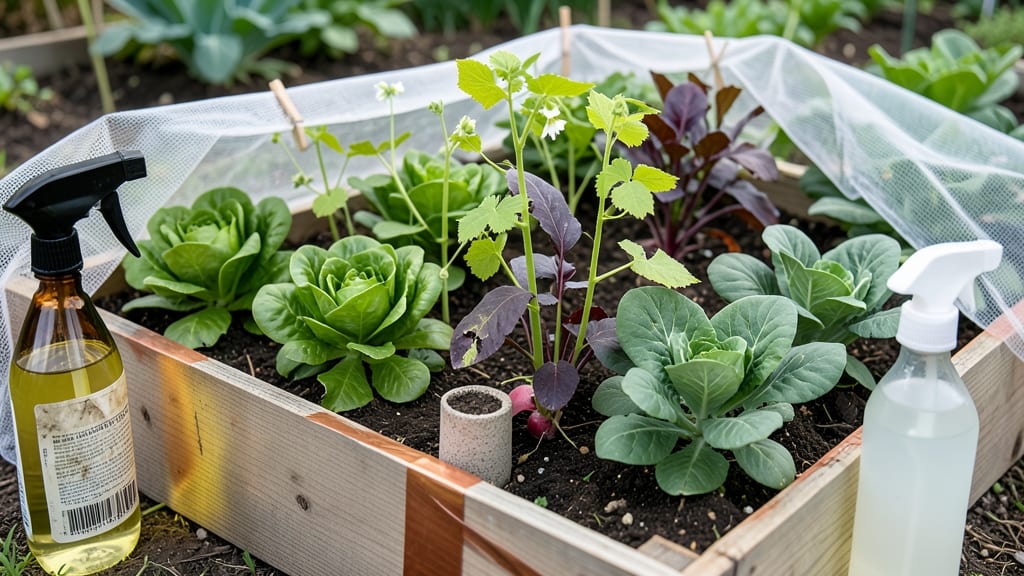
How to keep grasshoppers from eating your plants—it’s possible without chemicals! 🌱 I’ve lost entire rows of beans and marigolds to these striped invaders, but I’ve also learned which natural defenses actually work—no chemicals required. The key is combining smart planting, physical barriers, and repellents that disrupt their feeding patterns without harming your soil or pollinators.
Most gardeners panic when they see grasshoppers, but the real secret lies in prevention: tall grasses around the perimeter, strategic companion plants like catnip or tansy, and even a simple soapy water spray (1 tablespoon dish soap per gallon) that confuses their senses.
These methods don’t just mask the problem—they make your garden less appealing to hoppers in the first place.
By mixing these approaches, you’ll see results in 24-48 hours: fewer chewed leaves, healthier plants, and a garden that grasshoppers avoid. The best part? These solutions work for vegetables, flowers, and even ornamental shrubs without the lingering chemical residue that can harm future harvests.
Even better, most supplies are things you already have: neem oil, diatomaceous earth, or even row covers for severe infestations. Let’s turn your garden back into the thriving, pest-free space it should be—without resorting to harsh sprays.
Root Causes of Grasshopper Feasts
Grasshoppers don’t just choose your garden—they’re drawn by a mix of environmental cues, food availability, and survival instincts. Understanding why they target your plants is the first step to outsmarting them. Here’s a breakdown of the key factors that turn your yard into an all-you-can-eat buffet.
---
Grasshoppers are opportunistic feeders, and your garden might be sending out an open invitation. They prefer plants that are: - Young and tender: New shoots, seedlings, and soft stems are easier to chew and digest.
A garden bursting with fresh growth is like a neon sign for grasshoppers. - Nitrogen-rich: Fast-growing plants (like clover, alfalfa, or certain grasses) often have higher nitrogen levels, making them more nutritious—and more appealing—to grasshoppers. - Low in defensive compounds: Some plants naturally produce toxins or bitter tastes (e.g., mint, marigolds) that deter pests.
If your garden lacks these, grasshoppers will happily munch away.
Actionable insight: If you’ve noticed grasshoppers zeroing in on specific plants, check their growth stage and soil fertility. Slow-release nitrogen or companion planting with deterrent species can help.
---
Grasshoppers aren’t just hungry—they’re also looking for safe places to hide, mate, and lay eggs.
Your landscape might be providing the perfect conditions: - Dry, sunny microclimates: Grasshoppers thrive in warm, arid environments where they can bask in the sun (they regulate their body temperature by moving between shade and sunlight).
A south-facing garden with sparse shade is a grasshopper paradise. - Edge habitats: Areas where grass meets shrubs, fields, or even pavement create ideal hunting grounds.
These zones offer both food and escape routes from predators. - Mulch or thatch: Thick layers of organic matter (like straw or wood chips) provide shelter for eggs and nymphs, allowing populations to explode undetected.
Actionable insight: Reduce dry, open spaces by adding mulch with deterrent plants (like garlic or thyme) or installing windbreaks. Keep grass mowed short to eliminate hiding spots for nymphs.
---
Grasshoppers are part of a larger food web, and when their natural predators or competitors decline, their numbers surge. Common imbalances include: - Fewer natural predators: Birds (like sparrows and meadowlarks), spiders, and parasitic wasps keep grasshopper populations in check.
If these predators are absent—due to habitat loss, pesticide use, or lack of nesting sites—grasshoppers multiply unchecked. - Competition with other herbivores: When deer, rabbits, or rodents overgraze, they can leave behind stressed plants that grasshoppers find irresistible. - Monoculture gardens: Planting large swaths of a single species (e.g., a vegetable patch of only beans or corn) creates a feast with no variety, making it easier for grasshoppers to locate and devour your crops.
Actionable insight: Encourage biodiversity by planting native flowers (to attract predator insects) and avoiding broad-spectrum pesticides. Mix plant varieties to confuse grasshoppers and reduce their impact.
--- Grasshoppers are highly responsive to weather patterns, and certain conditions can trigger mass migrations or breeding booms: - Drought stress: When plants wilt or dry out, their nutritional content changes, making them more palatable to grasshoppers.
Drought also reduces competition from other herbivores. - Late-spring or summer heatwaves: Warm temperatures accelerate their life cycle, leading to faster reproduction.
A single generation can become three or four in a season if conditions are ideal. - Unseasonal rains: While grasshoppers need moisture for egg-laying, sudden downpours can wash away their eggs or create temporary breeding grounds. However, inconsistent rainfall can also stress plants, making them more vulnerable.
Actionable insight: Monitor weather forecasts and adjust your garden care accordingly. Drip irrigation (to keep plants hydrated without overwatering) and shade cloth can mitigate drought stress.
--- Ironically, some of the most common gardening practices invite grasshoppers: - Over-fertilization: Excess nitrogen promotes lush, tender growth—perfect for grasshoppers.
It also attracts other pests that stress plants, making them more susceptible to damage. - Monotonous landscapes: Large areas of uniform grass (like lawns) provide endless grazing opportunities with no natural barriers. - Irrigation practices: Overwatering can create soggy soil, which grasshoppers avoid, but underwatering stresses plants and makes them easier targets.
Actionable insight: Opt for slow-release, organic fertilizers and vary plant heights/textures in your garden. Avoid watering late in the day to prevent fungal growth, which can weaken plants.
--- Grasshoppers rely heavily on scent to find food. Certain plant emissions act like a dinner bell: - Volatile organic compounds (VOCs): Some plants release chemicals when damaged (e.g., corn or wheat) that signal “easy meal” to grasshoppers.
This is why a single chewed leaf can lead to a full-blown infestation. - Scent trails: Grasshoppers follow pheromone trails left by other feeders, creating a “follow the leader” effect. A few early arrivals can trigger a swarm.
Actionable insight: Use repellent plants (like rosemary or catnip) near high-risk areas to mask plant scents. Regularly inspect plants for early damage and remove affected leaves promptly.
Practical Fixes for Grasshopper Damage
Grasshoppers can turn a lush garden into a buffet overnight, but the good news is that you don’t need harsh chemicals to stop them. Below are targeted solutions based on the most common causes of grasshopper infestations—whether they’re drawn to your plants, shelter, or simply lack natural predators.
Each fix is easy to implement, budget-friendly, and effective when applied consistently.
---
Grasshoppers are jumpers, but they’re not great climbers or fliers—exploit that weakness!
#### 🔥 Use Row Covers or Netting - Best for: Seedlings, young plants, or high-value crops (like tomatoes or peppers). - How to do it: - Drape fine mesh netting (with holes smaller than ¼ inch) over plants. - Secure edges with clips, stakes, or bricks to prevent gaps. - For larger areas, use floating row covers (lightweight fabric that lets sunlight through). - Pro tip: 💡 Check netting every few days—grasshoppers can chew through weakened spots!
#### 🍳 Create a Natural Fence with Mulch or Straw - Best for: Ground-level plants (like lettuce, herbs, or flowers). - How to do it: - Spread 2–3 inches of straw, wood chips, or coarse mulch around plants. - Grasshoppers dislike crawling over rough textures and may bypass the area. - Bonus: Mulch retains moisture and suppresses weeds!
#### 👨🍳 DIY Collar Barriers for Stems - Best for: Single-stem plants (like basil, peppers, or beans). - How to do it: - Cut cardboard or plastic rings (from toilet paper rolls or milk jugs) into 2–3 inch strips. - Wrap tightly around stems, 1–2 inches from the soil. - Grasshoppers can’t jump high enough to clear the barrier!
---
Grasshoppers target tender, young, or thirsty plants—trick them into moving on!
#### ✨ Water Smartly (They Hate Dampness) - Why it works: Grasshoppers avoid areas with high humidity (they prefer dry, sunny spots). - How to do it: - Water early in the morning (so plants dry by evening). - Avoid overhead sprinkling—drip irrigation keeps leaves dry. - Let soil dry slightly between waterings (especially for drought-tolerant plants).
#### 🎯 Strengthen Plants with Companion Planting - Best repellent plants: Marigolds, garlic, onions, mint, and catnip (grasshoppers despise the scent). - How to plant: - Interplant strong-smelling herbs between vulnerable crops. - Use marigolds as borders—their pyrethrin compounds deter pests. - Catnip is a grasshopper’s worst nightmare—plant it in infested areas!
#### 🔪 Remove Their Favorite Snacks - Avoid planting: Young, soft plants (like squash, corn, or beans) until they’re mature. - Replace with: Grasshopper-resistant plants like: - Lavender (fragrant and tough) - Rosemary (woody stems) - Russian Sage (gritty texture)
---
Grasshoppers have plenty of enemies—help them out!
#### 🐦 Attract Birds with Nesting Spots - Best birds: Robins, sparrows, and meadowlarks (they love grasshoppers!). - How to help: - Install birdhouses near your garden. - Leave some bare soil for ground-nesting birds. - Add a shallow birdbath with fresh water.
#### 🐸 Welcome Toads, Frogs, and Lizards - Why they work: These critters devour grasshoppers but won’t harm plants. - How to attract them: - Create a small pond or shallow dish with rocks for basking. - Avoid pesticides—they kill beneficial insects too! - Add flat stones or logs for hiding spots.
#### 🧪 Introduce Beneficial Insects - Best options: Praying mantises, parasitic wasps, and ground beetles. - How to get them: - Buy mantis egg cases online (they hatch in spring). - Plant dill, fennel, or yarrow to attract predatory wasps. - Avoid disturbing ground beetles—they’re nighttime grasshopper hunters!
---
If grasshoppers are already feasting, act fast with these low-tech traps.
#### 🍎 Beer or Soapy Water Traps - How to make it: - Bury a shallow container (like a tin can) with beer or soapy water at the rim. - Grasshoppers jump in, get stuck, and drown. - Refresh every 2–3 days (or they’ll dry out).
#### 🌿 Handpick During Cool Hours - Best time: Early morning or late evening (when they’re sluggish). - How to do it: - Wear gloves and long sleeves. - Drop grasshoppers into a bucket of soapy water (don’t crush them—their scent attracts more!). - Pro tip: 🌡️ Check under plants and mulch—hoppers hide there!
#### 🔥 Fire or Vacuum (For Heavy Infestations) - For large areas: - Use a leaf blower to dislodge and blow away grasshoppers. - In dry climates, a small controlled fire (in a metal tray) can lure and burn them. - Vacuum them up with a shop vac (wear a mask—it’s messy!).
---
Once you’ve dealt with an infestation, prevent recurrence with these habits:
- 💡 Rotate crops yearly to disrupt grasshopper life cycles. - 🌱 Keep your lawn mowed short—tall grass hides hoppers. - 🚫 Avoid over-fertilizing (lush plants attract more pests). - 🔍 Inspect plants weekly—catch hoppers before they multiply! - 🌿 Plant a "sacrificial border" of catnip or sunflowers to lure them away from veggies.
--- Final thought: Grasshoppers may be persistent, but a mix of barriers, repellents, and natural predators will keep them in check—without chemicals. Start with one or two methods, monitor progress, and adjust as needed. Your garden will thank you! 🌿🚫🐜
Frequently asked questions
Why do grasshoppers suddenly appear in my garden when they weren't here before?
Grasshoppers often arrive in waves due to weather conditions, drought stress, or nearby grassy fields. A hot, dry spring can trigger massive hatching, while windstorms may carry them into gardens. Check for tall grasses or unmowed areas nearby—they're likely breeding grounds.
Will neem oil or diatomaceous earth really work against grasshoppers?
Yes, but with limitations. Neem oil disrupts their feeding and growth when sprayed directly on plants, while diatomaceous earth dehydrates them by damaging their exoskeletons. For best results, reapply after rain or watering, and focus on areas where you've seen activity.
Can I use row covers on my vegetable plants all season long?
Not recommended for the entire season. Row covers should be removed during flowering (for pollination) and only replaced when fruits form. For long-term use, opt for lightweight fabric that allows sunlight and air circulation while still blocking grasshoppers.
What's the fastest way to stop grasshoppers from destroying my tomatoes?
Combine immediate action with prevention: First, wrap stems with cardboard collars (2-3 inches high). Then spray plants with a soapy water solution (1 tbsp dish soap per gallon). For severe cases, cover plants with fine mesh netting until harvest.
Are there any plants grasshoppers completely avoid?
While no plant is 100% grasshopper-proof, some are highly resistant. Try lavender, rosemary, Russian sage, or wormwood—their strong scents and tough foliage deter most hoppers. Even better, interplant these with vulnerable crops to create a natural barrier.