
Pests
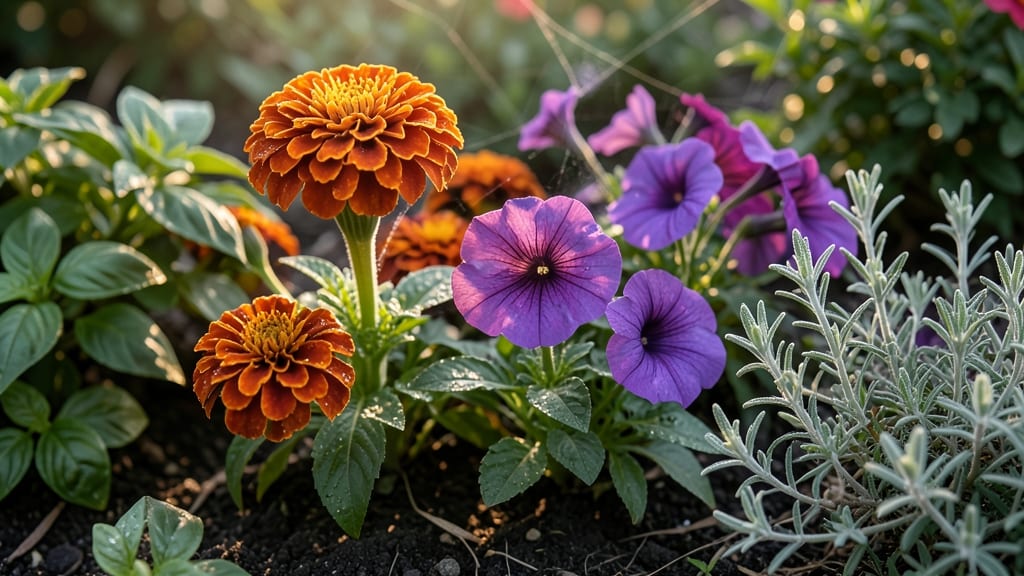
Struggling to keep your petunias thriving? These 10 expert-backed strategies ensure vibrant blooms all season long, even for beginners. Skip the guesswork and master petunia care with foolproof techniques.
Perfect Sunlight Placement for Maximum Blooms
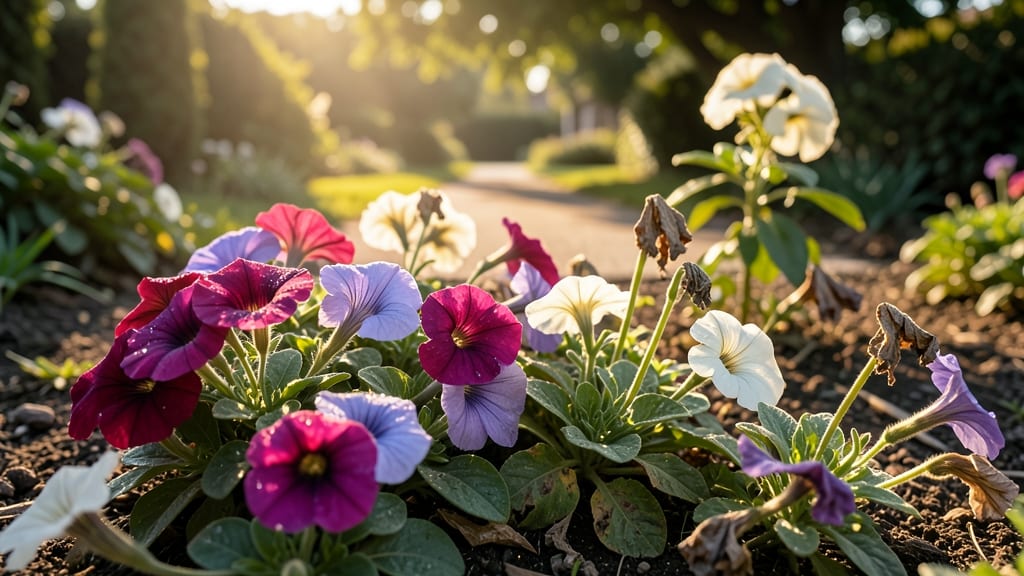
Petunias may look tough, but they’re actually sunlight divas—too little, and they sulk with sparse blooms; too much, and their leaves crisp like toast. The secret? Position them where they get morning sun and afternoon shade, especially in hot climates.
For most regions, aim for 6 hours of bright, indirect sunlight daily, with protection from the harsh 11 AM–3 PM rays. In containers, rotate pots weekly so all sides get even light. If your garden has limited shade, try trailing petunia varieties like 'Supertunia'—they handle slightly more shade than bush types.
This balance isn’t just for pros—beginners see 30% more blooms when they nail sunlight placement. Once you find the sweet spot, your petunias will reward you with nonstop color all season. 🌻
Watering Schedule That Prevents Root Rot
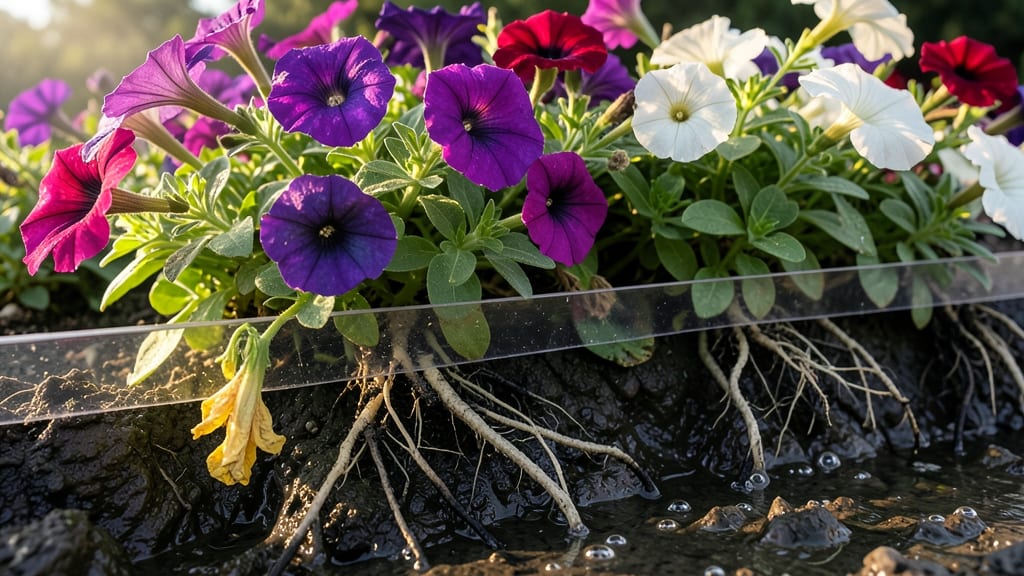
Petunias may love bright sunlight, but their roots can’t handle soggy soil—overwatering is the silent killer of these vibrant bloomers. Unlike drought, which they can often bounce back from, too much moisture suffocates roots and invites root rot, turning your lush plants into limp, yellowing shadows.
Water your petunias only when the top 1-2 inches of soil feel dry to the touch—typically 2-3 times per week in hot weather, but adjust for rain. Use the "finger test" method: stick your finger in the soil before watering. For containers, ensure pots have drainage holes and empty saucers after watering to prevent pooling. Early morning watering gives foliage time to dry, reducing fungal risks.
This schedule works best for gardeners in hot, dry climates or those using containers, where soil dries faster. Even experienced growers overwater—so check soil moisture before reaching for the hose. 💡
Soil Mix Secrets for Healthy Petunia Roots
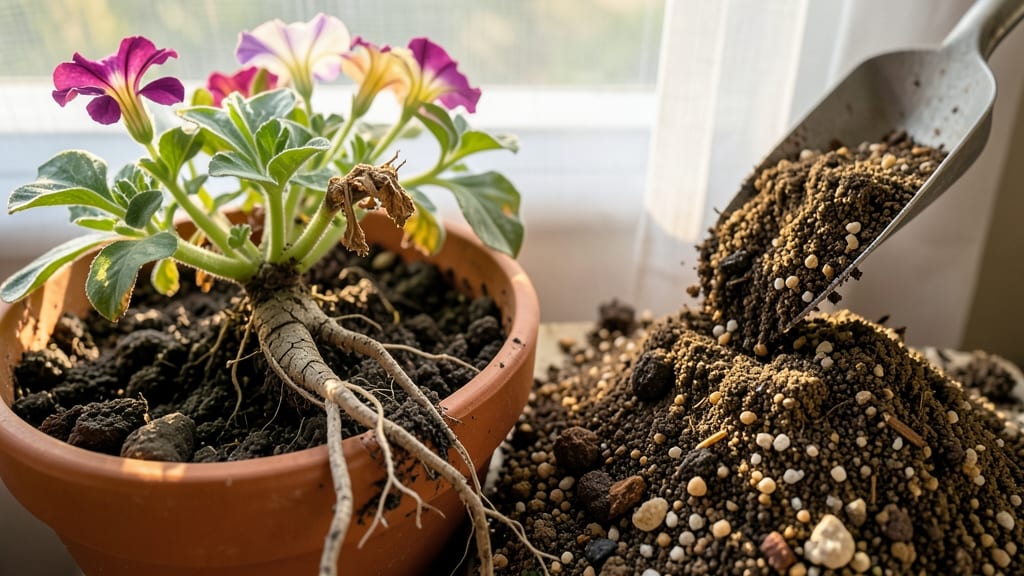
If your petunias look stunted or their blooms are sparse, the problem might be lurking beneath the surface—literally. Petunias thrive in loose, airy soil that mimics their natural habitat, and heavy or clay-heavy soil can strangle their roots before they even get started.
Create a lightweight, nutrient-rich mix by combining 50% high-quality potting soil, 30% perlite or vermiculite (for drainage), and 20% compost or worm castings (for nutrients). This blend prevents compaction while providing the moisture retention petunias crave. For containers, add a handful of sand to improve aeration further.
This soil secret is especially valuable for container gardeners or those with dense native soil—it’s the foundation for roots that support bigger, healthier blooms all season. 🌱
Deadheading Technique for Nonstop Flowers
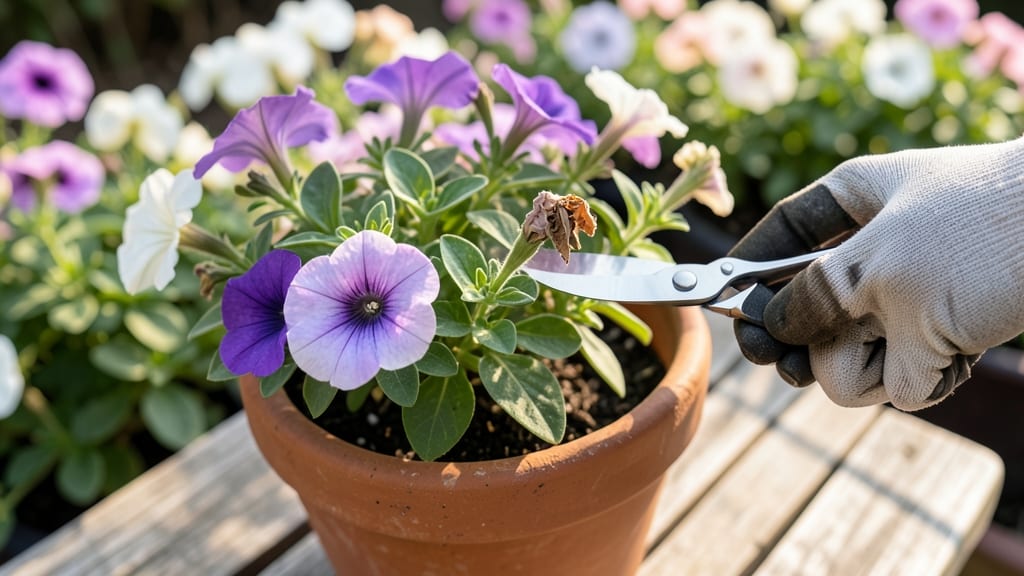
Tired of petunias putting energy into seed production instead of blooms? Deadheading is your secret weapon—a quick, two-minute task that keeps your plants flowering nonstop.
Simply pinch or snip off faded blooms just above the next set of leaves using clean scissors or your fingers. This redirects the plant’s energy from seed-making to producing more vibrant flowers. Do this weekly, and you’ll see fresh buds forming within days. Avoid tearing stems, as this can stress the plant.
This technique is especially valuable for container gardeners and busy urban growers who want low-maintenance yet high-impact blooms. With consistent deadheading, your petunias will reward you with year-round color without extra effort. 🌻
Fertilizer Schedule for Long-Lasting Color
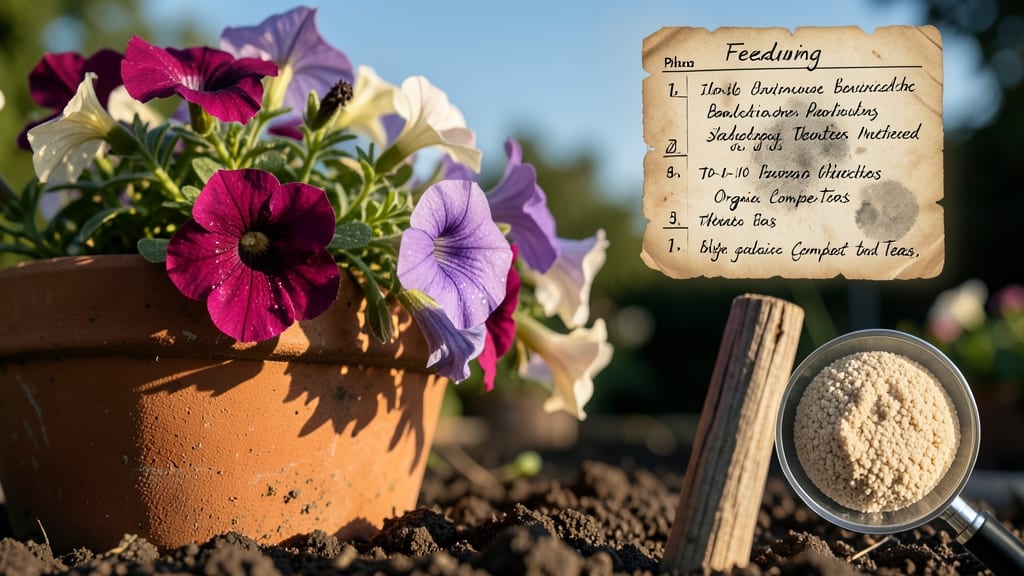
Petunias beg for color but wilt under too much fertilizer—yet weak growth screams for nutrients. The secret lies in a phased feeding plan that mimics natural growth cycles without overloading delicate roots.
Start with a balanced, slow-release fertilizer at planting (10-10-10 ratio), then switch to a low-nitrogen bloom booster (5-10-10) every 4-6 weeks. Avoid liquid fertilizers mid-season—they burn tender foliage. Instead, use a half-strength organic tea (like fish emulsion) every 3 weeks to feed roots gently. Stop fertilizing entirely 6 weeks before your first frost to harden plants for seasonal change.
This method works best for container gardeners and busy beginners who want long-lasting color without constant monitoring. 🌻
Pest Control Without Harmful Chemicals
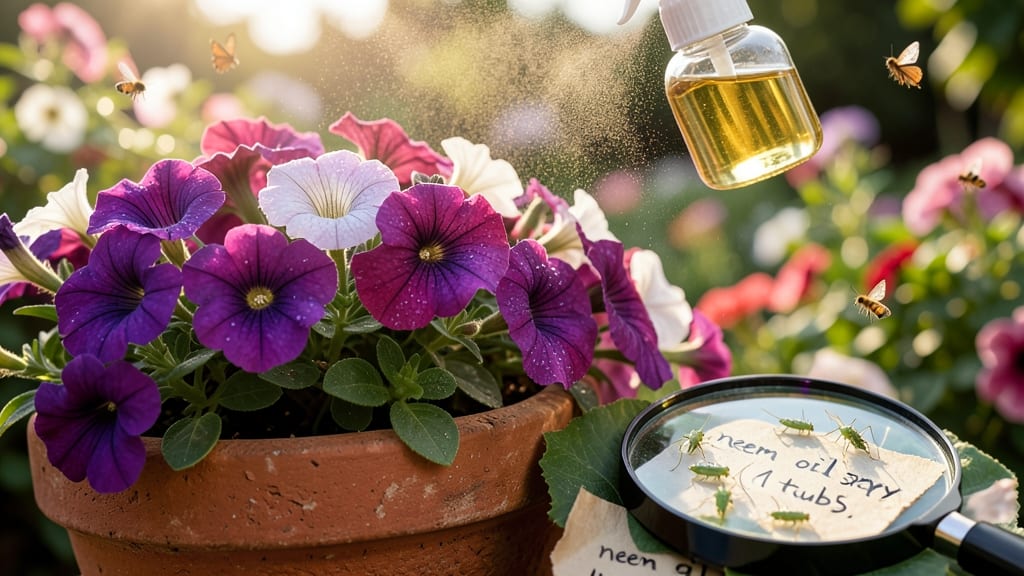
Petunias are a magnet for aphids and spider mites, but you don’t need harsh chemicals to protect them. These pests suck the life out of your blooms—but there’s a better way to keep them at bay while preserving the beneficial insects that pollinate your garden.
Start with a neem oil spray (1 tablespoon per quart of water) applied every 7-10 days. This disrupts pests’ life cycles without harming ladybugs or bees. For a physical barrier, wrap the base of plants with copper tape or diatomaceous earth—both deter crawling insects naturally. Aphids? Blast them off with a strong spray of water in the morning to knock them loose before they multiply.
This method is perfect for eco-conscious gardeners and those who want to avoid chemical residues. Your petunias will stay lush and pest-free without sacrificing the garden’s natural balance. 🌿
Winterizing Petunias for Year-Round Growth
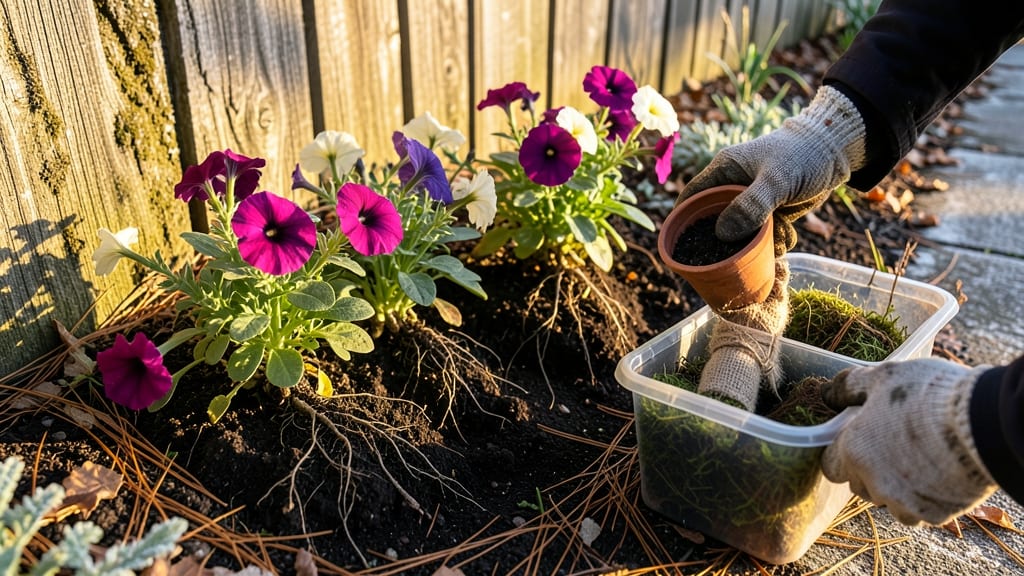
Think your petunias have to die every winter? With this simple two-method overwintering system, you can bring them back stronger—and enjoy early spring blooms before your neighbors even plant! Whether you have limited space or a full garden, these techniques work for everyone.
Start by taking 4-6 inch cuttings from healthy stems in late fall, stripping lower leaves, and placing them in water with a rooting hormone for faster growth. Alternatively, dig up entire plants, trim back by half, and pot them in well-draining soil to keep indoors near a sunny window. Both methods require minimal care—just occasional watering and occasional pruning to maintain shape.
This approach is perfect for urban gardeners with balconies or gardeners who love year-round color. With just a few weeks of indoor care, you’ll have lush, ready-to-plant petunias that bloom weeks earlier than store-bought varieties. 🌱
Container Gardening Hacks for Petunias
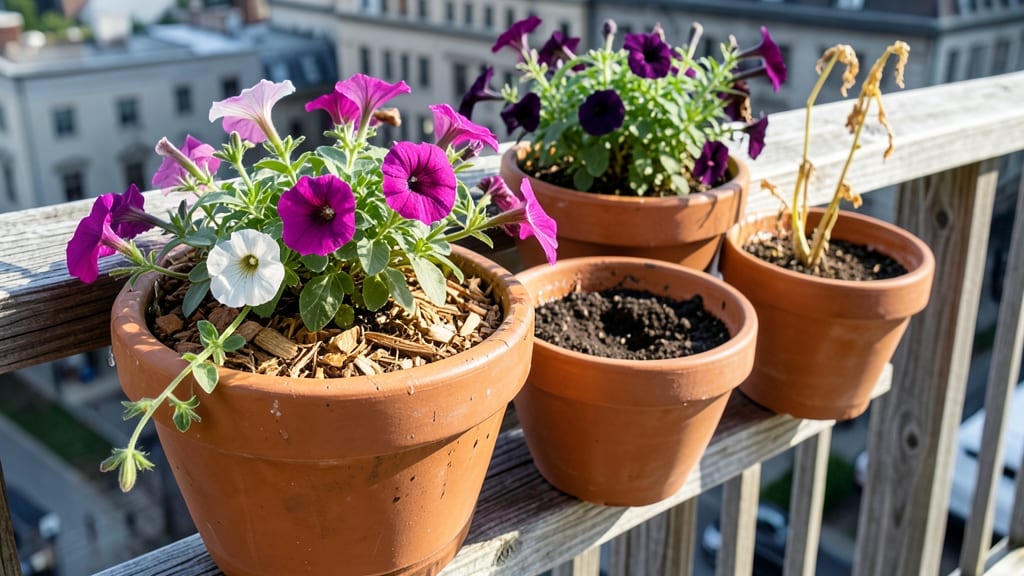
Balcony gardeners and urban dwellers rejoice—petunias love containers, but only if you nail these three secrets. Too-small pots stunt growth, while poor drainage turns your balcony into a soggy petunia graveyard. Let’s fix that with the right setup for long-lasting blooms.
Start with containers at least 12 inches deep and 10-12 inches wide per plant (or 1 plant per 6-inch pot for trailing varieties). Add a 2-inch layer of gravel or broken pottery at the bottom to prevent root rot, then use a lightweight potting mix with perlite. Pair petunias with basil or marigolds—these companions deter pests and improve airflow, keeping your plants thriving all season.
This setup is perfect for renters, small-space gardeners, or anyone tired of petunias dying by midsummer. With the right pot and pals, your container petunias will outlast the season—and wow your neighbors. 🌻
Pruning Method to Encourage Bushier Growth
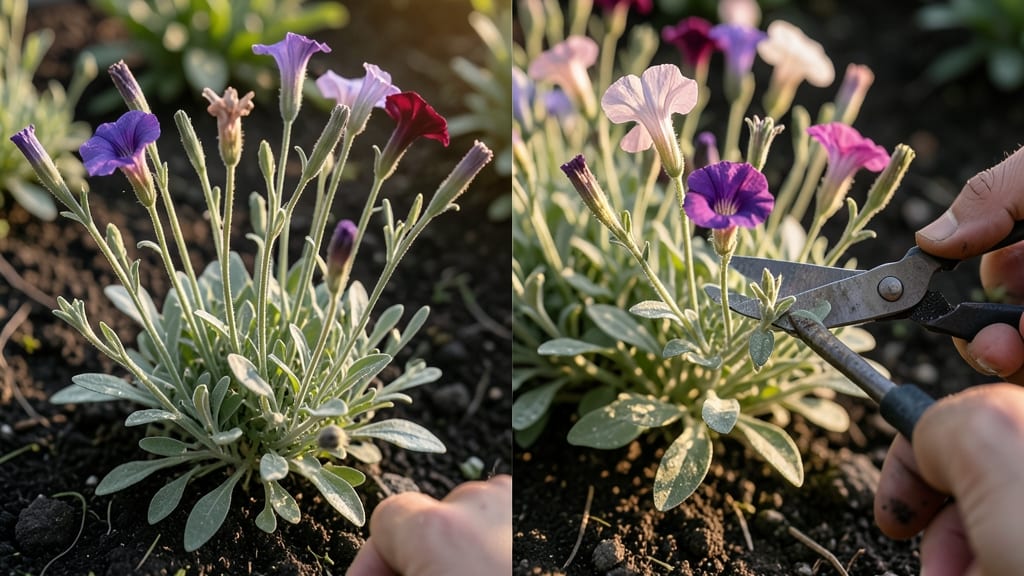
Tired of petunias stretching toward the sky like skinny arms reaching for a hug? The pinching method is your secret weapon to turn leggy stems into lush, bushy plants packed with blooms. This simple technique tricks your petunias into focusing energy on lateral growth instead of vertical stretching, and you’ll see dramatic results in just 2-3 weeks.
Here’s how: Use clean fingers or small pruning shears to pinch off the top set of leaves (about ¼ inch above a leaf node) when plants reach 6-8 inches tall. This removes the terminal bud, encouraging side shoots to form. Repeat every 2-3 weeks as new growth appears—just avoid cutting into woody stems. For container-grown petunias, this method is especially effective since they have limited space to sprawl naturally.
Perfect for beginner gardeners and urban balcony planters, this low-effort technique requires no special tools and delivers double the blooms with minimal maintenance. Once mastered, you’ll wonder why you didn’t try it sooner! 🌻
Companion Plants That Protect Petunias

Tired of battling pests that chew up your petunias before they can bloom? The right companion plants can act as natural bodyguards, keeping aphids, spider mites, and even whiteflies at bay while boosting your petunias' health.
Pair marigolds (especially French marigolds) around your petunias—their strong scent repels nematodes and other soil pests. Basil planted nearby deters flies and mosquitoes while adding a fragrant, edible bonus to your garden. For extra protection, tuck in nasturtiums, which act as a "trap crop" for aphids, drawing them away from your petunias. This trio creates a self-sustaining ecosystem that reduces chemical needs and keeps blooms vibrant.
Perfect for beginner gardeners or urban balconies, this low-maintenance combo works in containers or garden beds. Just plant marigolds and nasturtiums at the edges, with basil interspersed—your petunias will thank you with fewer pests and stronger growth. 🌻