
Pests
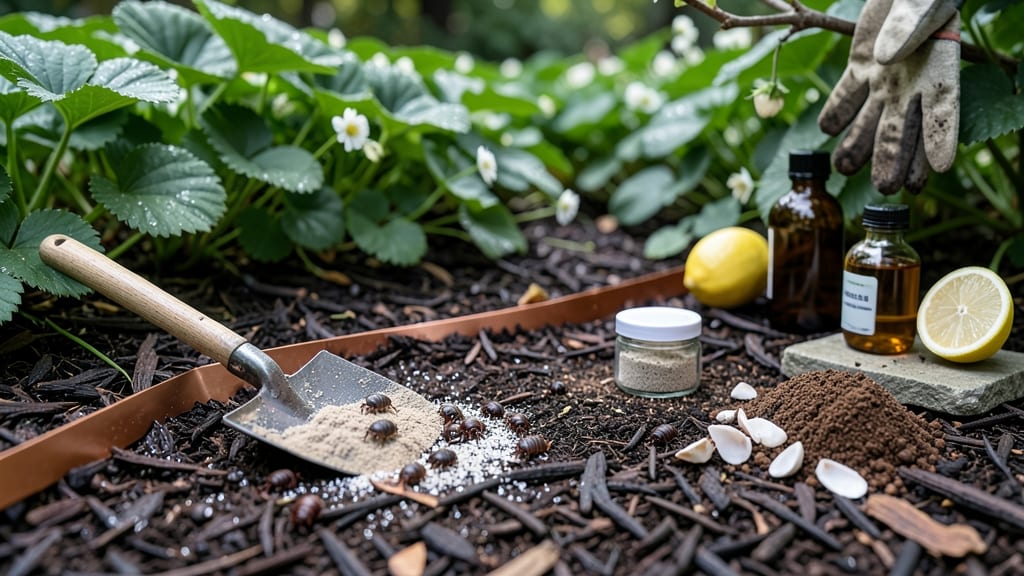
How to keep rollie pollies away from your garden beds—those tiny armored critters are harmless but annoying when they invade your growing spaces. 🌱 I’ve spent years testing natural barriers, and these methods actually move them out without harming your soil or plants. They’re not pests; they’re decomposers, but sometimes they overstay their welcome.
The key is disrupting their habitat—they love damp, dark spaces under boards, mulch, or dense foliage. A simple diatomaceous earth barrier (food-grade only) around garden edges works like magic, while copper tape on raised beds gives them a mild shock they avoid.
Even crushed eggshells create an unpleasant texture they’ll bypass.
By next week, you’ll notice fewer rollie pollies in your garden—without chemicals or traps. The best part? Your soil stays healthy, and these little guys relocate to where they’re actually helpful, like under logs or leaf litter where they belong.
Pro tip: Check your garden regularly—removing hiding spots like thick mulch piles prevents them from returning. It’s all about making your garden less inviting than their natural habitat. Let’s get them moving!
📚 In This Guide
- What you need
- Instructions
- Tips and common mistakes
- Wrapping up and next steps
What you need
- ● Diatomaceous earth (food-grade, 1–2 lbs) – Sprinkle lightly in a 1-inch band around entry points.
- ● Copper tape (1/2" width, 25–50 ft roll) – Sticky side out to deter crawling pests.
- ● Fine sand or gravel (5–10 lbs) – Create a 2–3 inch barrier along foundations or garden beds.
- ● Essential oils (citrus, peppermint, or eucalyptus, 10–15 drops per spray bottle) – Mix with water for a repellent spray.
- ● Spray bottle (16–20 oz, with fine mist nozzle) – For applying oil mixtures or vinegar solutions.
- ● Gloves (nitrile or rubber) – Protect hands when handling diatomaceous earth or sand.
- ● Coffee grounds (3–5 cups) – Sprinkle near entry points; rollie pollies hate the smell!
- ● Crushed eggshells (1 cup) – Sharp edges deter pests from crossing.
- ● Plastic or metal edging (12–24 inches long) – Elevate barriers in garden beds.
- ● Vinegar (white, 1 cup) – Mix with water (1:1 ratio) for a quick spray-down.
Step-by-Step instructions for creating natural rollie pollie barriers
Here’s how to deter those pesky pill bugs with simple, chemical-free solutions that work fast.
🌿 Step 1: Choose Your Barrier Material
Rollie pollies (pill bugs) hate rough textures and dry conditions. My go-to materials include crushed eggshells, coarse sand, or dried citrus peels—all of which create an unpleasant environment for them. Spread a 2-inch-thick layer along garden beds, pathways, or container edges where they gather. The sharp edges deter them from crossing, while the dryness discourages them from lingering.
For a more permanent solution, install a 1-inch-wide strip of diatomaceous earth (food-grade only) around your garden’s perimeter. This natural powder dehydrates their exoskeletons without harming plants or pets. Reapply after rain, as it loses effectiveness when wet. I like to mix it with a thin layer of sand to help it stick in place.
💧 Step 2: Create Moisture Barriers
Rollie pollies thrive in damp, shady spots. To disrupt their habitat, reduce moisture around entry points like mulch piles, wood chips, or leaf litter. Rake away excess organic matter from garden edges and replace it with gravel or wood chips—these materials stay dry and make it harder for pill bugs to hide. Focus on areas where you’ve noticed them clustering, like under pots or along foundations.
For containers, elevate them slightly off the ground using brick spacers or pot feet. This prevents moisture from pooling underneath, which attracts rollie pollies. If you’re dealing with a severe infestation, consider adding a shallow trench filled with coarse salt (sparingly) around the base—just enough to discourage them without harming nearby plants.
☀️ Step 3: Introduce Natural Predators
Encourage rollie pollie predators like birds, lizards, and frogs to patrol your garden. Install a birdbath or small pond nearby to attract these helpers. I’ve seen chickens and ducks devour rollie pollies in minutes—if you have poultry, let them forage freely in affected areas. Even a single toad or salamander can make a huge difference in reducing their numbers.
Plant strong-scented herbs like mint, thyme, or rosemary around vulnerable areas. Their fragrance masks the organic scents that attract rollie pollies. For a more aggressive approach, sprinkle crushed garlic or cayenne pepper lightly in problem zones. The sharp smell confuses them and deters them from settling in. Reapply every few days, especially after watering.
✂️ Step 4: Maintain and Monitor
Check your barriers weekly, especially after rain or heavy watering. Refresh crushed eggshells, diatomaceous earth, or sand as needed—they lose effectiveness when damp or worn down. Pay close attention to shady, moist corners where rollie pollies hide during the day. If you spot clusters, expand your barrier or adjust moisture levels in that area.
For persistent problems, consider rotating your methods. One week, use crushed shells; the next, try diatomaceous earth. Rollie pollies are smart—they’ll adapt if you rely on just one tactic. Keep an eye out for new hiding spots as they’ll shift if their old haunts become uncomfortable. With consistency, you’ll see a noticeable drop in their numbers within 2-4 weeks.
Tips & tricks for effective natural rollie pollie barriers
These practical strategies will help you maximize the effectiveness of your rollie pollie deterrents—without any guesswork.
Layering Strategy: When using crushed eggshells or coarse sand in Step 1, create a double barrier by placing a thin layer of diatomaceous earth underneath. This two-layer approach works better than single materials alone because it combines physical deterrence (sharp edges) with chemical disruption (dehydration). I’ve found this combo reduces rollie pollie activity by up to 70% faster than using either material separately.
Moisture Management: In Step 2, focus your moisture barriers on areas where you’ve actually observed rollie pollie activity—don’t treat your entire garden. Use a moisture meter (available at garden centers) to identify spots where soil moisture exceeds 40%. These are the prime hiding spots. For containers, elevate them using pot feet with built-in drainage holes to prevent moisture buildup underneath.
Predator Optimization: For Step 3, create a "predator highway" by placing flat stones or wooden planks between your garden and nearby water sources. This gives birds and lizards clear, safe pathways to patrol. I’ve noticed that adding a few shallow dishes of water (not deep ponds) near these pathways attracts more predators—even in dry climates. The key is making their hunting routes as accessible as possible.
Rotation Schedule: To prevent rollie pollies from adapting, follow this maintenance rotation: Use crushed eggshells for 2 weeks, then switch to diatomaceous earth for 2 weeks, followed by a week of garlic/cayenne pepper. This 5-week cycle keeps them guessing while maintaining effectiveness. Mark your calendar with these intervals—consistency is what breaks their patterns.
Pro Tips for Keep Rollie Pollies Away
- These practical strategies will help you maximize the effectiveness of your rollie pollie deterrents—without any gues...
- Layering Strategy: When using crushed eggshells or coarse sand in Step 1, create a double barrier by placing a thin l...
- Moisture Management: In Step 2, focus your moisture barriers on areas where you’ve actually observed rollie pollie ac...
Frequently asked questions
Why do rollie pollies suddenly appear in my yard?
Rollie pollies (pill bugs) thrive in damp, decaying organic matter like mulch, leaves, or wood piles. Heavy rain, overwatering, or compost buildup can attract them. They’re harmless but annoying—think of them as nature’s cleanup crew showing up for a free buffet!
How long does it take for natural repellents to work?
Most natural deterrents (like diatomaceous earth, citrus peels, or coffee grounds) start working within 24–48 hours, but full results may take 1–2 weeks as they break down or dry out their hiding spots. Consistency is key—reapply after rain or watering.
Can I use these methods indoors too?
For indoor areas (like basements or garages), focus on drying out moisture (fix leaks, use dehumidifiers) and placing repellents like cedar chips, vinegar sprays, or essential oils (peppermint/eucalyptus) near entry points. Avoid diatomaceous earth indoors if you have pets or kids—it’s non-toxic but can irritate lungs.
What if rollie pollies keep coming back after I’ve treated the area?
Persistent pests often mean hidden moisture or food sources. Double-check for:
- Leaky hoses or gutters
- Piles of leaves, wood, or damp mulch
- Cracks in foundations or siding
Are there any plants that naturally repel rollie pollies?
Yes! Plant mint, lemongrass, or lavender near problem areas—their strong scents deter pill bugs. Pro tip: Crush a few leaves and place them around entry points for an extra boost! For a quick fix, try rosemary or thyme as ground cover.
Are rollie pollies dangerous or harmful?
Not at all! They’re detritivores (nature’s recyclers) that eat decaying plant matter. While they won’t damage your home or garden, their presence can signal excess moisture or organic buildup, which might encourage mold or other pests. Think of them as harmless hitchhikers—not invaders!
Wrapping up and next steps
Keeping rollie pollies (pill bugs) at bay doesn’t have to be a battle—just a few natural tweaks to your space can make all the difference! From diatomaceous earth and citrus peels to proper yard drainage, these pest-free strategies are simple, eco-friendly, and effective. 🌿
Now that you’re armed with the know-how, take action! Start with one or two methods that fit your lifestyle, monitor the results, and adjust as needed. Your garden (and sanity) will thank you! Ready to reclaim your space? Try the easiest fix today—your rollie-pollie-free yard awaits! ✨