
Propagation
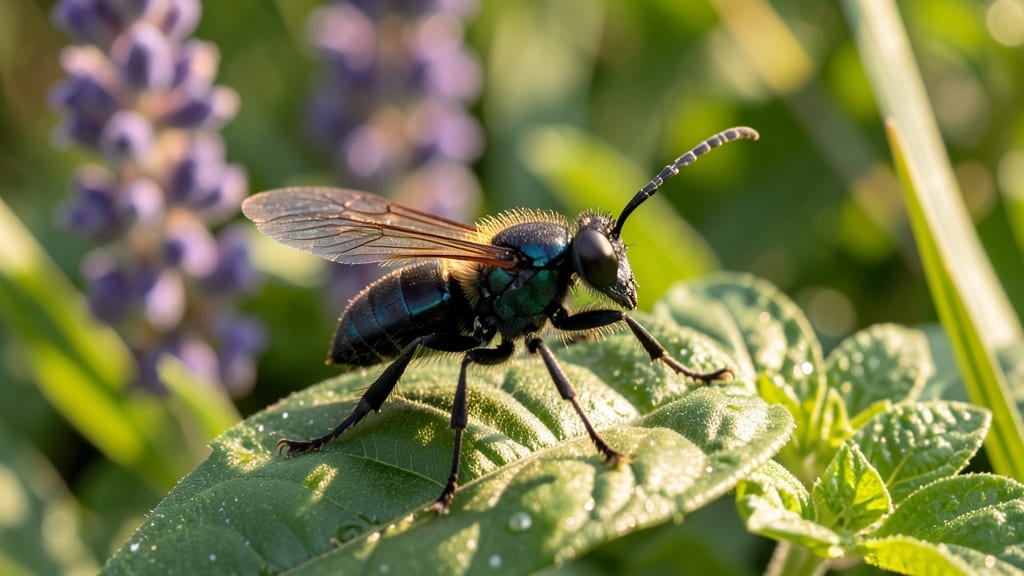
How to keep wasps away from your balcony—without chemicals or harming pollinators? 🌿 I’ve battled them too—until I discovered this citrus-mint combo that sends them packing without harming your plants or pollinators. The secret lies in two plants wasps despise: citrus (their scent triggers their flight response) and mint (its strong aroma masks food sources). Plant them in pots near seating areas or along railings—no chemicals, just nature’s repellent. Even better, they’ll thrive in small spaces and add fragrance to your outdoor oasis. You’ll notice fewer buzzing visitors within days, and the plants will reward you with lush growth and a fresh breeze. The best part? These same plants attract beneficial insects like bees, keeping your balcony’s ecosystem balanced. Works for any balcony size, from cozy apartments to spacious terraces. Let’s reclaim your space—wasp-free!
The Hidden Triggers Luring Wasps
Wasps aren’t just randomly buzzing around your balcony—they’re drawn by specific signals that scream, “All-you-can-eat buffet here!” 🍯🍉 Understanding these triggers is the first step to outsmarting them. Below, we break down the science behind why your balcony becomes their favorite hangout spot.
Wasps have an insatiable appetite for sugary, protein-rich foods—especially during the warmer months when their colonies are expanding. Here’s why your balcony is a magnet:
- Open drinks and spills: A single drop of soda, juice, or even beer left on a table can attract wasps within minutes. Wasps detect sugars from up to 30 feet away using their antennae, which are packed with sugar-sensing receptors. 🍹
- Fruits and ripe produce: Overripe bananas, watermelons, and berries release fermenting sugars that mimic the scent of wasp larvae food. A single slice of fruit left unattended can trigger a feeding frenzy.
- Pet food and garbage: Protein sources like meat scraps or uneaten pet food are irresistible to adult wasps, which feed on them to sustain their energy. Even small crumbs can become a wasp hotspot.
Pro tip: Wasps are also drawn to sticky residues—honey, syrup, or even lip balm left on surfaces can leave a scent trail that guides others to your balcony. 🕵️♂️
Wasps don’t just want to eat—they’re also scouting for the perfect place to build their colonies. Your balcony might unknowingly offer:
- Hidden crevices: Gaps in railings, under eaves, or inside potted plants provide protected spaces where wasps can start nests undetected. Paper wasps, in particular, prefer overhangs and ledges because they offer shelter from predators and weather.
- Dark, enclosed areas: Wasps avoid direct sunlight when nesting, so spaces like vent covers, mailbox slots, or even the space behind outdoor furniture become prime real estate. 🕳️
- Existing nests nearby: If a wasp nest is already established in your yard, worker wasps will scout your balcony for food and water, turning it into a high-traffic zone.
Fun fact: Some wasp species, like German yellowjackets, will even raid other nests to steal larvae for their own colonies—meaning your balcony could become a battleground! 💥
Wasps need water for drinking and diluting food to feed their larvae. Your balcony might be leaking these resources without you realizing it:
- Leaky faucets or AC units: A slow drip can attract wasps faster than you’d think. They’re drawn to moving water because it’s easier to access than stagnant sources.
- Plant saucers and damp areas: Overwatered potted plants or moisture trapped in balcony grills or railings create ideal hydration spots. Wasps will land, drink, and leave pheromone trails, signaling others to follow.
- Condensation on cold surfaces: If your balcony has iced drinks or chilled decor, the condensation can become a wasp watering hole.
Did you know? Wasps can detect capillary water (like moisture in soil) from a distance, making even slightly damp areas tempting. 🌧️
Not all plants repel wasps—some actively lure them with their fragrance or nectar. Common balcony offenders include:
- Sweet-smelling flowers: Plants like jasmine, roses, and hibiscus produce high-sugar nectar, which wasps love. Even citrus trees (ironically) can attract them when in bloom.
- Herbs with hidden sugars: While mint and basil are often touted as repellents, overripe or wilting herbs can ferment and release sugars that wasps can’t resist.
- Fruiting plants: Tomatoes, peppers, and eggplants release volatile organic compounds (VOCs) when ripe, which wasps interpret as a “food signal.”
Key insight: Wasps are also drawn to fermenting plant matter, like fallen leaves or rotting mulch, which emit ethanol and acetic acid—scent profiles that mimic their natural prey. 🍄
Now that you know why wasps are crashing your balcony party, the next step is flipping the script with science-backed deterrents. Stay tuned!
Practical Ways to Outsmart Wasps
Now that you know why wasps are drawn to your balcony, it’s time to take action with effective, easy-to-implement solutions. The key is to disrupt their attraction points while making your space less inviting.
Below, we’ll map out targeted fixes based on common causes—plus prevention tips to keep them away long-term.
Wasps are scavengers, and even small spills or uncovered food can lure them in. Eliminate their buffet with these steps:
- 🍽️ Cover food and drinks
- Use lids, mesh covers, or sealed containers for anything sweet, sticky, or protein-rich (meat, fish, cheese).
- Pro tip: 💡 Even a tiny drop of soda or fruit juice on a table can attract wasps—wipe surfaces clean after meals.
- 🗑️ Manage trash properly
- Take out garbage daily, especially organic waste (fruit peels, coffee grounds, greasy foods).
- Use trash bins with tight-fitting lids and rinse them occasionally to remove odors.
- 🍋 Avoid citrus and sugary treats outdoors
- If you love fresh fruit on your balcony, eat it inside or store it in a sealed container.
- Swap open drinks for sealed bottles or use wasps-repellent straws (like those with citronella).
Wasps seek dark, sheltered areas to build nests. Seal their options with these fixes:
- 🕳️ Inspect and seal cracks
- Check under eaves, behind shutters, and in gaps where nests might start.
- Use caulk or steel wool to block tiny entry points (wasps can squeeze through holes as small as a dime).
- 🪟 Remove old nests ASAP
- If you spot a nest, act at dusk or night when wasps are less active.
- Safety first: 🔥 Wear long sleeves, gloves, and goggles. Spray with insecticide (like wasp spray) or call a professional if the nest is large.
- 🪟 Use wasp deterrents - Citrus and mint barrier: 🌿 Place peels of lemon, lime, or orange near entryways or mix mint leaves in water in a spray bottle.
Wasps hate these scents. - Essential oil spray: Mix 10 drops of peppermint or tea tree oil with water in a spray bottle. Lightly mist rafters, windowsills, and furniture (avoid direct contact with plants).
Wasps follow chemical trails to food and water. Break their scent connection with these tricks:
- 🚫 Avoid strong perfumes and scented products
- Skip heavily perfumed lotions, shampoos, or air fresheners—wasps are drawn to floral and sweet smells.
- Swap for unscented alternatives when possible.
- 🌧️ Keep water sources clean
- Wasps are attracted to standing water (birdbaths, plant saucers, leaky faucets).
- Empty and refill water dishes daily or add a few drops of dish soap (wasps avoid soapy water).
- 🍃 Plant wasp-repelling herbs
- Grow basil, lavender, or marigolds in pots on your balcony. Their scents mask food odors and confuse wasps.
Once you’ve addressed immediate issues, reinforce your defenses to keep wasps away for good:
| Prevention Tip | How to Do It | Why It Works |
|---|---|---|
| 🕒 Schedule regular cleanups | Wipe tables, sweep floors, and take out trash weekly. | Removes scent trails and food residue. |
| 🪟 Install fine mesh screens | Add window screens or mesh covers on patios. | Blocks entry without sacrificing airflow. |
| 🌡️ Use yellow lights | Swap white bulbs for yellow or red LED lights. | Wasps are less attracted to cooler light tones. |
| 🎯 Set up traps strategically | Place wasps traps (like vinegar + sugar bait) far from seating areas. | Lures them away from your relaxing zone. |
Final pro tip: 🌿 Combine methods for best results—e.g., citrus peels + mint spray + sealed trash. Wasps are persistent, but with consistent barriers, you’ll reclaim your balcony as a wasp-free zone in no time!
Frequently asked questions
Can I use essential oils to repel wasps from my balcony?
Yes! Mix 10 drops of peppermint, tea tree, or eucalyptus oil with water in a spray bottle and lightly mist rafters, windowsills, and furniture. Wasps hate these scents, but avoid spraying directly on plants. Refresh every 2-3 days for best results.
What should I do if I find a wasp nest on my balcony?
Act at dusk or night when wasps are less active. Wear protective gear (long sleeves, gloves, goggles) and spray with wasp-specific insecticide or call a professional for large nests. Never disturb nests during the day—wasps become aggressive when threatened.
Will planting mint alone keep wasps away?
Mint helps, but it’s most effective when combined with other repellents like citrus peels or basil. Place mint pots near seating areas and refresh the scent weekly. Wasps dislike the strong aroma, but they may still visit if food sources remain.
Are there any DIY traps I can make to catch wasps?
Yes! Mix equal parts vinegar and sugar water in a bottle, cut the top, and invert it as a funnel. Place it near wasp activity (but far from seating areas). Replace every 3-4 days to avoid attracting more wasps.
Why do wasps keep coming back even after I clean up?
Wasps rely on scent trails and may return if hidden food sources (like pet food or damp trash) remain. Check for leaky faucets, overripe fruit, or sticky residues—even small amounts can lure them back. Consistency is key!