
How To
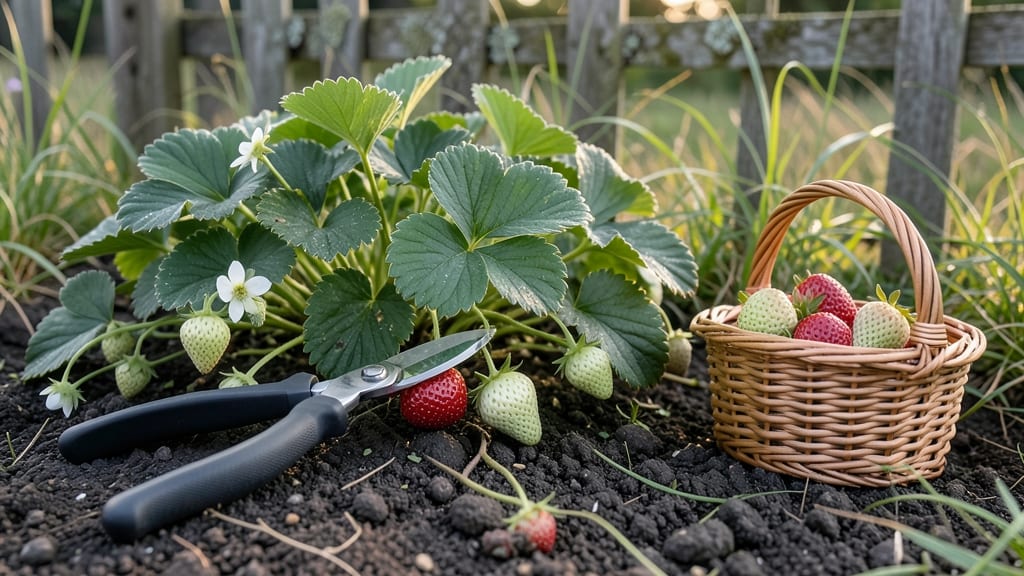
How to know when strawberries are ready to pick can turn a bland harvest into a sweet, juicy triumph—so let’s cut through the guesswork once and for all. 🍓 Whether you’re a backyard gardener or a first-time planter in USDA Zone 6a, these simple checks will save you from grabbing fruit too soon (or too late!).
The key lies in three foolproof cues: color, texture, and scent. A ripe strawberry should be fully vibrant—deep red, golden, or whatever hue matches your variety—and just slightly firm when you give it a gentle squeeze. If it feels rock-hard or still has green patches, it’s not ready yet.
Pro tip: Check your plants in the morning when temperatures are cooler, and the berries are at their firmest. This is also when their natural sweetness peaks, making it the best time to harvest for peak flavor. Avoid picking overripe fruit, which can ruin the rest of your crop.
Ready to master the art of strawberry picking? I’ll walk you through every step—from visual clues to the perfect moment to pluck—so you never miss another harvest again. Let’s get started!
3 Visual signs strawberries are ready to harvest
When your strawberry plants start producing fruit, timing your harvest correctly ensures the sweetest flavor and best texture. The first clue is color consistency—ripe strawberries should be fully colored, whether that’s bright red, golden yellow, or pale pink, depending on the variety.
Avoid picking berries with green patches or uneven coloring, as they won’t reach peak sweetness.
Next, examine the shape and size of the berry. Fully ripe strawberries are plump and symmetrical, not elongated or misshapen. A good rule of thumb is that they should feel heavy for their size, indicating juicy flesh inside.
If the berry looks small or shriveled, it’s likely underripe and needs more time on the plant.
Finally, check the surface texture. Ripe strawberries have a slightly glossy sheen and a smooth, unblemished skin. If the berry feels dull or has wrinkled skin, it may be overripe or dehydrated.
These visual cues work together to confirm when your strawberries are at their peak ripeness.
- ✅ Fully colored (no green patches) – 🔴 red, 💛 yellow, or 🟡 white depending on variety
- ✅ Plump and symmetrical – Heavy for size, not elongated or shriveled
- ✅ Glossy sheen – Smooth skin, no wrinkles or dull spots
One common mistake is picking strawberries based on calendar dates rather than visual cues. Some varieties, like Albion or Seascape, ripen earlier in the season, while others, like Chandler, take longer. Always rely on the berry’s appearance rather than assuming they’re ready because it’s June.
Another pitfall is harvesting strawberries that are still attached to the plant when they’re only partially ripe. These berries won’t sweeten further once picked and will often spoil quickly. Wait until the entire berry meets the three visual criteria before harvesting to avoid disappointment.
For everbearing varieties, which produce fruit in multiple flushes, keep an eye on the oldest berries first. These tend to ripen earlier and may need harvesting before the newer ones reach peak ripeness. This staggered approach ensures you’re always picking at the optimal moment for each batch.
If you’re growing strawberries in containers, check the berries more frequently since they may ripen faster due to warmer soil temperatures. Containers also dry out quicker, so ensure your plants are well-watered to prevent stress that can affect ripening.
Finally, pay attention to the leaves surrounding the berry. As strawberries ripen, the calyx leaves (the little leaves at the top) will start to yellow and die back.
This is a natural sign that the berry is nearing its peak ripeness and ready for harvest within the next 1-2 days.
By mastering these three visual signs, you’ll never miss the perfect picking window again. The next step? Learn how to use your hands and nose to confirm ripeness with tactile and aroma tests.
3 Visual signs strawberries are ready to harvest
Strawberries don’t ripen evenly, so visual cues are your best friends for timing the perfect harvest. First, look for uniform color—ripe strawberries should be a deep, consistent hue (red, yellow, or white, depending on your variety).
Avoid berries with green patches or mixed colors, as they’re still developing flavor. The skin should also appear plump and slightly glossy, not wrinkled or dull, which signals proper hydration and ripeness.
Next, examine the shape and size of the berry. Fully ripe strawberries are plump and symmetrical, filling out their natural shape without looking stretched. If the berry feels small or shriveled even when colored, it’s likely overripe or stressed.
Pay attention to the calyx (leafy crown) at the top—if it’s starting to yellow and dry out, that’s a classic sign the berry is ready to pick soon.
Avoid the temptation to pick strawberries based on size alone. Some varieties stay small but pack intense flavor, while others grow larger but lack sweetness if harvested too early. Always combine color, shape, and calyx cues for the most accurate assessment.
Pro tip: Check berries daily during peak season—strawberries can go from perfect to overripe in just 24 hours.
One common mistake is harvesting too early to "save" berries for later. Underripe strawberries lack sugar development and often turn mealy or sour. Conversely, overripe berries (soft, mushy, or leaking juice) are past their prime and won’t store well.
The golden window is when all three visual signs align—then you’ve got peak flavor and texture.
For ever-bearing varieties, which produce fruit in multiple flushes, focus on the earliest-ripening berries first. This encourages the plant to keep producing. Use a sharp pair of scissors or pruning shears to avoid damaging the fruit or spreading disease.
Always cut the stem 1/4 inch above the berry to prevent rot from sitting on the fruit.