
How To
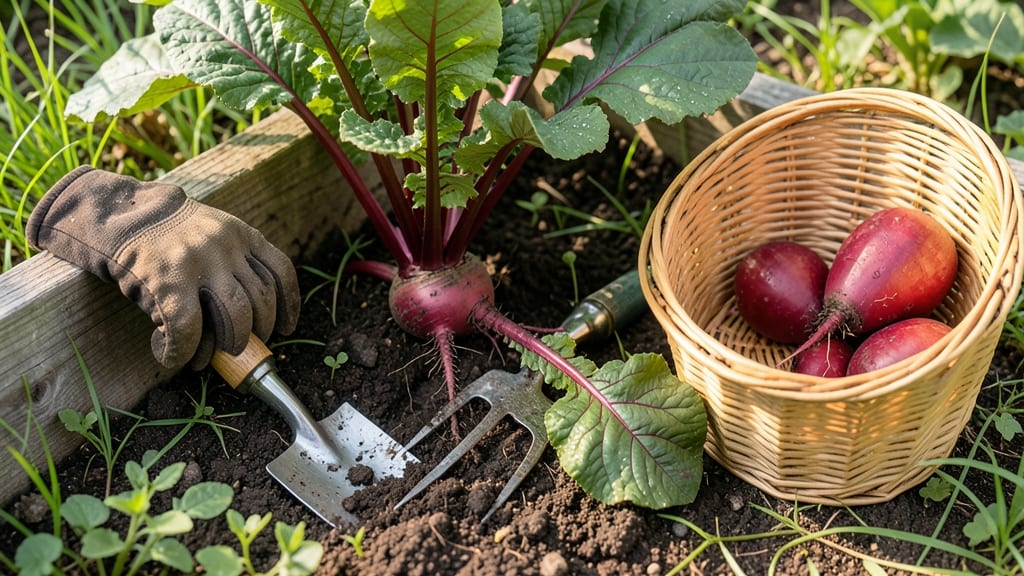
How to know when to pick beets can mean the difference between tender, sweet roots and tough, bitter ones—so let’s cut through the guesswork. Whether you’re growing 🍠 baby beets or full-sized varieties, timing is everything for that perfect harvest. The key lies in simple visual cues that most gardeners overlook, like root size, leaf color, and even how the soil feels around them.
If you’ve ever pulled a beet only to find it underdeveloped or woody, you’re not alone. The secret to avoiding this frustration is understanding the subtle signals your plants give—like when the leaves reach 3-4 inches tall or the roots resist gentle pressure.
These clues don’t just save you time; they ensure your beets are packed with flavor and texture. Let’s break down the exact signs to watch for so you never miss the window again.
What’s more, different beet varieties mature at different speeds, so knowing whether you’re growing 55-day baby beets or 70-day heirlooms changes the game. Even environmental factors like temperature and soil type can speed up or slow down ripening.
By the end of this guide, you’ll confidently recognize when your beets are ready—whether it’s in June-July for spring plantings or October-November for fall harvests.
Once you’ve mastered the art of harvesting, you’ll also discover how to store or use your beets for maximum freshness. From roasting to pickling, the right timing ensures every bite is as delicious as it is satisfying.
Ready to transform your garden’s hard work into a culinary success? Let’s get started.
3 Visual cues to harvest beets at peak sweetness
Beets are ready to harvest when they’ve reached their perfect balance of sweetness and tenderness. The key is paying attention to three simple visual cues that tell you exactly when to pull them from the soil.
I’ve learned the hard way that ignoring these signs leads to either bland baby beets or woody, overgrown roots—neither of which are ideal for roasting or salads.
First, focus on the root size. Baby beets are typically ready when they’re about 1-2 inches in diameter, while standard varieties should reach 2-3 inches.
Larger heirloom types can grow up to 4 inches but lose sweetness if left too long. I always check the size first because it’s the most obvious clue.
Next, examine the leaf color and growth. Healthy beet greens should be vibrant, with leaves reaching 3-4 inches tall. If the leaves are wilting or turning yellow, it’s a sign the beet is past its prime.
I’ve noticed that cooler weather slows leaf growth, so I adjust my expectations based on the season.
Here’s the numbered-highlights breakdown of what to look for:
One common mistake I see is relying solely on days since planting. While baby beets typically mature in 45-55 days, standard varieties take 55-70 days, and heirlooms can stretch to 80 days.
Always cross-reference days with visual cues—especially if your growing season is shorter or longer than average.
For baby beets, I harvest when the roots are about 1 inch wide and the leaves are 2-3 inches tall. These are perfect for quick pickling or adding to salads.
I’ve found that harvesting baby beets encourages the plant to produce more roots, giving you a continuous harvest over several weeks.
If you’re growing golden beets, pay extra attention to their color. They should have a rich golden-yellow hue without any green streaks. The skin should also be smooth and firm—if it feels soft or cracks easily, it’s past its prime.
I’ve learned to harvest these slightly earlier than red beets because they can turn woody faster.
Finally, never harvest beets when the soil is waterlogged or frozen. The roots will bruise or split, ruining their texture. I always check the weather forecast and avoid harvesting after heavy rain or before a hard frost.
A quick soil check with your finger can tell you if it’s too wet—if it sticks to your gloves, wait a day or two.
Once you’ve confirmed all three visual cues, it’s time to harvest! Use a garden fork to gently loosen the soil around the beet, then grasp the greens and pull upward. The root should come out cleanly—if it resists, it might not be ready yet.
Store harvested beets in the fridge for up to 2 weeks, or preserve them by pickling or roasting.
3 Visual cues to harvest beets at peak sweetness
Beets are ready to harvest when they’ve reached their sweetest flavor and perfect texture—but spotting the right moment takes practice. The key is checking three simple visual cues: root size, leaf color, and stem firmness.
Ignoring these signs often leads to either underdeveloped roots or tough, woody beets that ruin dishes.
First, focus on the root diameter. For baby beets, aim for 1-2 inches—small enough to eat whole. Standard varieties should reach 2-3 inches, while heirloom types can grow larger.
If roots feel spongy when pressed, they’re not ready yet. Overlooking this step means sacrificing tenderness for a bitter bite.
- Root Size: 1-3 inches in diameter (baby beets: 1-2 inches; standard: 2-3 inches).
- Leaf Color: Deep, vibrant green (no yellowing). Leaves should be 3-4 inches tall.
- Stem Firmness: Skin resists gentle pressure—like a ripe avocado, not a soft tomato.
Next, inspect the leafy greens. Healthy beet tops should be 3-4 inches tall with deep green leaves—no yellowing or wilting. If leaves are smaller or pale, the roots likely need more time.
Pro tip: Harvest on a cool morning after watering to avoid stressing the plant, ensuring the greens stay crisp.
Finally, test the stem firmness. Gently squeeze the beet’s shoulder (where the root meets the stem). If it feels firm and resists pressure, it’s ready. If it dents easily, wait a few more days.
This trick works best when the soil is moist—dry conditions can fool you into thinking beets are ripe when they’re not.
Timing matters most for baby beets, which should be harvested in 45-55 days. Standard varieties take 55-70 days, while heirlooms may need up to 80 days.
Mark your planting date and use a harvest calendar to stay on track. Miss the window, and you’ll end up with beets that taste more like wood than earthy sweetness.
Once you spot these cues, act quickly! Use a fork to loosen soil around the roots before pulling to avoid damaging nearby plants. Store harvested beets in a cool, dark place (like a root cellar) for up to 2 weeks—or cook them fresh for the best flavor.
The sooner you try this method, the sooner you’ll master beet harvesting!