
Container Gardens
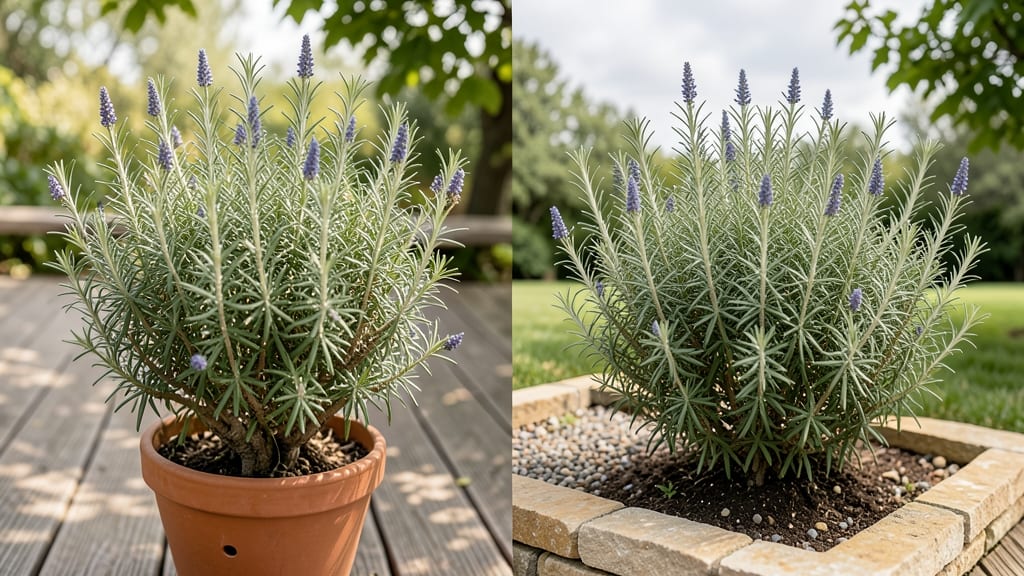
How to maintain rosemary—my plant just survived its third winter with no brown tips, no leggy stems—and here’s the secret. 🌿 The trick isn’t complicated: it’s about light, water, and a little strategic pruning that keeps those fragrant needles dense and productive year-round. Most people overwater rosemary or let it sit in soggy soil, which is a fast track to root rot. I learned the hard way—after drowning mine twice, I switched to watering only when the top inch feels dry, and now it thrives. A south-facing window or at least 6 hours of sunlight daily is non-negotiable, even indoors. You’ll notice new growth within 2-3 weeks of proper care, with stems so full they look like tiny evergreen bushes. The aroma? Piney, fresh, and impossible to resist—exactly what you want when you reach for it mid-cooking (though we’re keeping this strictly gardening-focused). Works for pots, garden beds, or even as a topiary. Here’s the full routine to keep yours lush and fragrant all year.
📚 In This Guide
- What you need
- Instructions
- Tips and common mistakes
- Wrapping up and next steps
What you need
- ● Rosemary plant(s): Choose Upright rosemary (Rosmarinus officinalis) or Prostrate rosemary (Rosmarinus officinalis 'Prostratus') for containers. Start with 1-3 healthy plants, depending on your pot size.
- ● Containers: Well-draining pots (10-12 inches in diameter for each plant) with drainage holes. Terracotta or ceramic pots work best for heat retention.
- ● Potting soil: A fast-draining mix, such as: 50% cactus/succulent soil or coarse potting mix
- ● 30% perlite or pumice (for aeration)
- ● 20% coarse sand or gravel (to prevent compaction)
- ● Pruning shears: Sharp, clean bypass pruners (sterilize with rubbing alcohol between cuts).
- ● Watering can or hose with a gentle spray nozzle: Avoid overhead watering to prevent fungal issues.
- ○ Fertilizer (optional but helpful): Low-nitrogen, balanced liquid fertilizer (e.g., 5-5-5 or 10-10-10), diluted to half-strength.
- ● Slow-release granules (like Osmocote) for convenience.
- ○ Mulch (optional): Gravel or pebbles (1-2 inches) to retain moisture and improve drainage.
- ● Self-watering planter: Reduces maintenance for busy gardeners.
- ● Grow lights or sunny windowsill: If indoor-growing, ensure 6+ hours of bright light daily.
- ● Humidity tray: A pebble tray with water to boost humidity in dry indoor environments.
- ● Plant labels: To track varieties and care schedules.
- ● Glove and apron: For pruning and soil handling (rosemary can be dusty!).
Step-by-step guide to maintaining rosemary
Here’s how I keep my rosemary thriving year-round with minimal fuss.
🌿 Step 1: Choose the Right Spot for Sun and Soil
Rosemary craves full sun—at least 6-8 hours daily. If you’re growing it in pots, place it near a south-facing window or under a grow light. I’ve found that even 4 hours of direct sun can work in cooler climates, but the stems stay less fragrant. The soil should drain like a sieve—rosemary hates soggy roots.
Use a well-draining mix like 50% potting soil and 50% perlite or coarse sand. If you’re planting in the ground, amend heavy soil with sand or gravel. The key is to mimic its Mediterranean homeland, where water drains fast. You’ll know you’ve got it right when water runs through the pot within seconds, not hours.
💧 Step 2: Water Deeply but Sparingly
Rosemary is drought-tolerant once established, but young plants need consistent moisture. Water when the top inch of soil feels dry—stick your finger in to check. Overwatering is the #1 killer, so I water deeply but infrequently. A good soak once a week (or every 10 days in winter) keeps roots happy without drowning them.
If you’re growing in pots, let the soil dry out completely between waterings. You’ll see the leaves start to wilt slightly before they brown—this is your cue to water. Mulch around the base with 1 inch of gravel or pebbles to help retain moisture and keep roots cool in summer.
✂️ Step 3: Prune for Bushier Growth and Fragrance
Pruning isn’t just about shaping—it keeps rosemary lush and aromatic. Trim back 1/3 of the plant in early spring to encourage new growth. Use clean, sharp shears to cut just above a leaf node (the bump where leaves meet the stem). This is where new branches will sprout, giving you that bushy, fragrant look.
You can also pinch off flower buds if you want to prioritize leaf growth over blooms. Flowers are pretty, but they drain energy from the plant. Harvest sprigs regularly—cutting just above a leaf node encourages more branching. If your rosemary gets leggy, prune the longest stems to rebalance the shape.
☀️ Step 4: Protect in Winter and Extreme Heat
Rosemary handles cold better than most Mediterranean herbs, but it still needs protection in freezing temps. If you’re in a zone with below 20°F winters, wrap the pot in burlap or move it indoors near a sunny window. In-ground plants can survive light frosts, but a thick mulch layer (up to 3 inches) helps insulate roots.
In summer, watch for heat stress—wilting leaves or brown tips mean it’s too hot. Move potted rosemary to a shadier spot temporarily, but keep it in full sun otherwise. Water slightly more often in extreme heat, but never let soil stay soggy. A light misting in the evening can help cool the leaves without overwatering.
🌱 Step 5: Fertilize Lightly for Strong Growth
Rosemary doesn’t need much fertilizer—too much makes it leggy and less fragrant. In early spring, give it a light feeding with a balanced, water-soluble fertilizer (10-10-10) diluted to half strength. I mix it into the water and apply it once a month during the growing season (spring and summer).
If you’re using organic fertilizer, compost tea or worm castings work well. Avoid high-nitrogen fertilizers—they promote leafy growth at the expense of flavor. You’ll know it’s working if the stems stay sturdy and the leaves smell strong when crushed. Over-fertilizing is easy to do, so less is always better.
Tips & tricks for perfect rosemary maintenance
Here's what nobody tells you about keeping rosemary thriving—these tricks make all the difference between a struggling plant and a fragrant, bushy beauty.
Sunlight Secret: That 6-8 hours of sun recommendation isn't just about growth—it's about flavor. I've noticed my rosemary's aroma doubles when it gets full sun. In cooler climates, supplement with a grow light for 4 hours if natural sunlight falls short. The leaves will tell you if it's enough—bright green means happy, while duller leaves mean more light is needed.
Soil Test Trick: Before planting, do this quick test: Fill a pot with your soil mix, pour water, and time how long it takes to drain. If it takes more than 10 seconds, add more perlite or sand. I once killed a rosemary plant because I skipped this—now I always check. The right drainage is what keeps those roots from rotting.
Pruning Pro Tip: When you trim that 1/3 of the plant in early spring, save those cuttings! Place them in water for a few days, then plant them in fresh soil. I've propagated three new rosemary plants this way—it's like getting free clones. Just make sure to cut just above those leaf nodes where new growth will sprout.
Winter Protection Hack: For that below 20°F protection, I use an old trick: wrap the pot in bubble wrap first, then add burlap. The bubble wrap creates an insulating air pocket while the burlap breathes. I've kept rosemary alive through -10°F winters this way. Just remember to unwrap it in spring before new growth starts.
Pro Tips for Maintain Rosemary
- Here's what nobody tells you about keeping rosemary thriving—these tricks make all the difference between a struggling plant and a fragrant, bushy beauty.
- Sunlight Secret: That 6-8 hours of sun recommendation isn't just about growth—it's about flavor.
- Soil Test Trick: Before planting, do this quick test: Fill a pot with your soil mix, pour water, and time how long it takes to drain.
Frequently asked questions
Got questions about keeping your rosemary thriving? You’re not alone!
Here are answers to the most common concerns—from pruning to pests and everything in between. Let’s dive in!
How often should I prune my rosemary?
Prune your rosemary lightly every 3–6 months to encourage bushy growth. Focus on trimming just above a leaf node (where leaves meet the stem) to avoid bare stems. If it’s looking leggy, a hard prune in early spring can revive it—just don’t cut more than one-third of the plant at once!
Can rosemary survive winter outdoors?
Rosemary is hardy in USDA zones 8–10, but if you live in colder areas, protect it! Mulch heavily around the base, wrap the pot in burlap, or move potted plants to a garage or shed (but avoid freezing temps). If frost hits, trim back damaged stems in spring—rosemary is tough and often bounces back!
What pests or diseases should I watch for?
Keep an eye out for aphids, spider mites, or whitefly (tiny bugs on leaves). Treat with neem oil or insecticidal soap. Fungal issues like powdery mildew can appear in humid conditions—improve airflow and avoid overhead watering. Prune affected areas immediately to prevent spread!
Can I grow rosemary in a pot year-round?
Potted rosemary thrives indoors near a sunny window (south-facing is ideal) or under grow lights. Use a well-draining mix (like cactus soil) and a pot with drainage holes. In winter, reduce watering—overwatering is the #1 killer of container rosemary. Rotate the pot weekly for even growth!
What can I do if my rosemary turns yellow or brown?
Yellow leaves often signal overwatering—rosemary prefers dry soil! Let the top inch dry out between waterings. Brown, crispy tips? It’s underwatered or sunburned. Move it to partial shade temporarily and water deeply. If the stems are mushy, it’s root rot—repot in fresh, dry soil ASAP.
Pro Tip:
Need a quick fix for woody or overgrown rosemary? Try a rejuvenation cut—trim back all stems to 4–6 inches in early spring. It’ll look sad for a few weeks but rebounds with lush new growth!
Wrapping up and next steps
With these simple yet effective tips, you’re now equipped to keep your rosemary thriving year-round—whether it’s basking in the sun, sipping water just right, or snipping fresh stems for your favorite dishes! 🌿✨ Remember, rosemary is resilient, so don’t be afraid to experiment with care routines to find what works best for your plant and climate.
Ready to take your rosemary game to the next level? Try propagating a cutting or sharing your lush plant with a fellow gardening enthusiast—your fragrant friend is sure to bring joy (and flavor!) to anyone who receives it. Happy growing! 🌱💚