
Tools
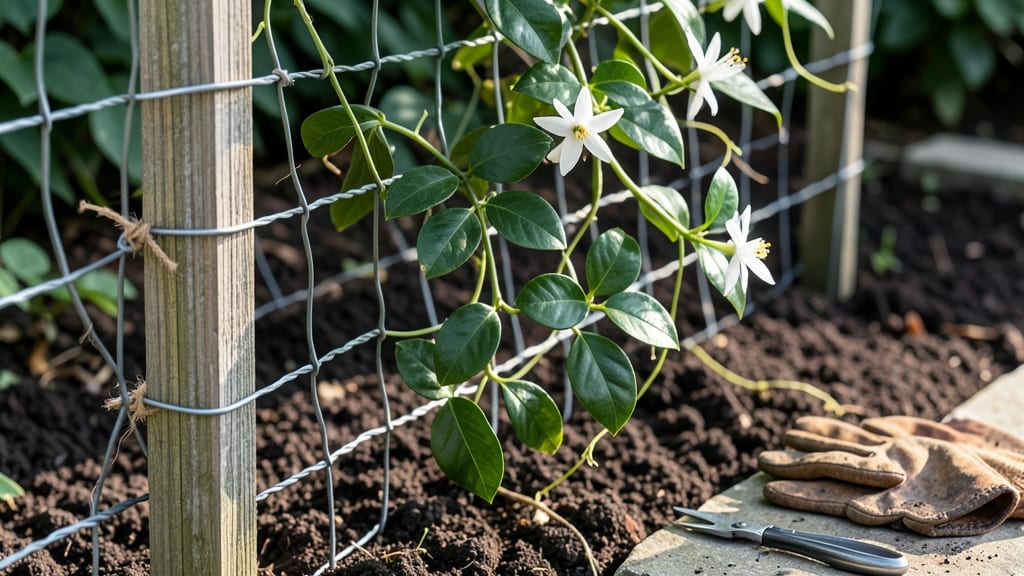
That first whiff of jasmine climbing a sturdy trellis changes everything. 🌿 I built my first wire trellis after struggling with flimsy bamboo supports that sagged under heavy vines—this one holds strong for years with just a few basic supplies and an afternoon’s work.
You’ll need galvanized wire (18-20 gauge for durability), wooden posts (4x4 or cedar stakes), and a staple gun for securing. The key is spacing wires 6-8 inches apart vertically to give vines plenty of purchase as they spiral upward. No fancy tools required—just patience and a few sharp bends.
By the time your jasmine reaches the top, you’ll have a fragrant vertical garden that thrives without sprawling. The trellis doubles as a living privacy screen or a stunning focal point, and maintenance is just a quick trim now and then. Works for roses, clematis, or even morning glories too.
Let’s get those vines climbing!
📚 In This Guide
- What you need
- Instructions
- Tips and common mistakes
- Wrapping up and next steps
What you need
- ● Galvanized steel wire: 16- or 18-gauge (100–200 feet, depending on trellis size). Galvanized wire resists rust and lasts longer!
- ● Wooden posts or stakes: 4x4-inch pressure-treated lumber (4–6 posts, 6–8 feet tall). For a smaller trellis, use 2x4-inch stakes (4–6 stakes, 4–5 feet tall).
- ● Post-hole digger or auger: To bury posts securely (1–2 feet deep).
- ● Concrete mix or gravel: For anchoring posts (5–10 bags, depending on soil type).
- ● Wire cutters or heavy-duty scissors: For clean cuts.
- ● Pliers or wire twisters: To twist and secure wire connections.
- ● Measuring tape: For precise spacing (every 12–18 inches vertically).
- ○ Staple gun (optional): To attach wire to wooden frames if using a lattice base.
- ● Decorative wire: Copper or colored wire for a stylish twist.
- ● Wooden lattice panels: Pre-made panels to attach wire to for extra structure.
- ● Zip ties or plastic cable ties: For securing wire ends neatly.
- ● Garden gloves: To protect your hands while working with wire.
Step-by-Step instructions for building a wire trellis for jasmine
Here's how I create a simple yet sturdy trellis that gives jasmine vines the support they need to climb and flourish.
🪴 Step 1: Gather Materials and Measure Your Space
For a 4-foot trellis (enough for one mature jasmine plant), you'll need 12-gauge galvanized wire (about 10 feet total), 4 wooden posts (4 feet tall x 2 inches wide), wood screws, and a measuring tape. Start by marking where you want the trellis to stand—jasmine thrives in partial shade to full sun, so choose a spot with at least 4-6 hours of sunlight daily.
Drive the wooden posts into the ground at least 6 inches deep to ensure stability. Space them 3 feet apart for a small trellis or 4-5 feet apart for a larger one. Use a level to make sure the posts are perfectly vertical—this prevents the trellis from leaning or becoming unstable as the vines grow heavier.
💧 Step 2: Create the Horizontal Wire Frame
Cut the 12-gauge wire into 4 equal lengths (about 3 feet each for a 4-foot trellis). Attach the first wire horizontally between the two posts at the top, securing it with wood screws every 6 inches. Repeat this process at 1-foot intervals down the posts—jasmine vines need multiple levels of support to climb effectively.
For extra strength, wrap the wire around each post twice before securing it with screws. This prevents the wire from slipping or bending under the weight of blooming vines. Leave about 6 inches of wire extending beyond the posts on each side—this gives you room to shape the trellis into a gentle curve or arch if you prefer.
☀️ Step 3: Add Vertical and Diagonal Supports
Cut 4 additional lengths of wire (4 feet long each) and attach them vertically between the top and bottom horizontal wires. Space them 12 inches apart along the length of the trellis. These vertical wires act as guides for the jasmine vines, helping them climb straight upward instead of sprawling.
For a more decorative look, add diagonal wires between the vertical supports. Cut 4-foot wires and stretch them diagonally from the bottom left to the top right (and vice versa) between each pair of vertical wires. This creates a crisscross pattern that not only looks beautiful but also gives vines more places to latch onto.
✂️ Step 4: Secure the Trellis and Plant Your Jasmine
Once all the wires are in place, give the trellis a gentle shake to test its stability. If any wires feel loose or wobbly, tighten the screws or add extra wraps around the posts. Now, it's time to plant your jasmine! Dig a hole twice as wide as the root ball but no deeper than the container it came in. Place the trellis 12-18 inches away from the plant—this gives the vines room to grow toward the support without struggling.
Water the plant deeply after planting, and within 2-3 weeks, you'll start to see new growth reaching toward the trellis. Gently weave the vines around the wires as they grow to encourage upward climbing. Avoid tying the vines too tightly—they should have room to move and grow naturally.
🌿 Step 5: Maintain and Adjust as Needed
Check the trellis monthly to ensure all wires are still secure. Jasmine vines can become heavy with flowers, so tighten any loose screws or add extra support wires if needed. Prune the vines in early spring to remove any dead or overgrown branches, and trim back about one-third of the previous year's growth to encourage bushier, healthier growth.
If your trellis starts to sag under the weight of blooms, reinforce it by adding extra horizontal wires or wrapping the existing ones with twine or soft plant ties for additional support. With proper care, your wire trellis will provide years of sturdy support for your climbing jasmine.
Tips & tricks for building a sturdy wire trellis for jasmine
Between us, a few simple adjustments can turn a good trellis into one that lasts for years. Let me share what I've learned from building these for my own garden.
Post Placement Precision: When positioning your 4-foot posts, dig them at least 6 inches deep and check vertical alignment with a level. I've seen trellises lean after just a few weeks because someone skipped this step. For extra stability, especially in windy areas, consider driving the posts 8 inches deep—the extra effort prevents wobbling when vines are heavy with blooms.
Wire Wrapping Technique: The double wrap around posts in Step 2 is non-negotiable for strength, but here's what nobody tells you: Use zip ties (in addition to screws) for the final securing. They create a tighter grip and won't loosen over time like screws can. I've had trellises last 5+ years using this combo—no wire slippage, even with jasmine's vigorous growth.
Vine Growth Guidance: In Step 4, when weaving vines around wires, I recommend using soft plant ties for the first few weeks until new growth gets established. This gives the vines gentle support while they learn to climb. After 6-8 weeks, you can remove the ties—jasmine will naturally grip the wires once it's matured. The key is patience here; rushing can damage tender new shoots.
Seasonal Maintenance: That monthly check in Step 5 is crucial, but I've found a seasonal rhythm works better: Inspect after heavy rains and before winter. Jasmine blooms can weigh down wires unexpectedly, and winter winds test stability. Tighten screws and add extra wraps now rather than waiting for sagging to become obvious.
Pro Tips for Make A Wire Trellis For Jasmine
- Between us, a few simple adjustments can turn a good trellis into one that lasts for years.
- Post Placement Precision: When positioning your 4-foot posts, dig them at least 6 inches deep and check vertical alignment with a level.
- Wire Wrapping Technique: The double wrap around posts in Step 2 is non-negotiable for strength, but here's what nobody tells you: Use zip ties (in addition to screws) for the final securing.
Frequently asked questions
Got questions about building a wire trellis for your jasmine? Here are some common ones—and their answers—to help you get started with confidence!
What’s the best wire gauge for a jasmine trellis?
A 14- to 16-gauge galvanized steel wire is ideal for most jasmine trellises—it’s sturdy enough to support climbing vines while being flexible for shaping. For larger jasmine varieties (like star jasmine), opt for 12-gauge wire or add wooden stakes for extra support.
How long does it take to build a wire trellis for jasmine?
For a small to medium trellis (3–6 feet tall), you can complete the project in 1–2 hours if you’ve prepped your materials. Larger or more intricate designs (like arched trellises) may take 3–4 hours, especially if you’re bending wire by hand. Pro tip: Measure twice, cut once!
Can I use a wire trellis for other climbing plants besides jasmine?
Wire trellises work great for clematis, roses, wisteria, and even morning glories. Just adjust the spacing—jasmine thrives with 6–12 inches between wires, while roses may need 12–18 inches for proper airflow. Customize based on your plant’s growth habits!
What if my wire trellis sags or bends over time?
Sagging usually means your trellis needs more support. Reinforce it by:
- Adding wooden stakes or posts at the base for stability.
- Tying the wire to a sturdy fence or wall with zip ties or garden twine.
- Using larger-gauge wire (like 12-gauge) for future projects.
Should I build the trellis before or after planting jasmine?
Install the trellis before planting—this gives jasmine vines a head start to climb and saves you from transplanting later. If your jasmine is already growing, attach the trellis gently to avoid damaging the stems. Just be patient; it may take a few weeks for the vines to latch on!
Wrapping up and next steps
Creating a wire trellis for your jasmine vines is a rewarding way to elevate your garden’s beauty while giving those fragrant climbers the support they deserve! 🌿 With just a few materials and a bit of elbow grease, you’ve got a sturdy, custom structure that’ll help your jasmine thrive.
Now that you’re equipped with the know-how, it’s time to roll up your sleeves and watch your garden transform.
Ready to take the next step? Plant your jasmine near the trellis and give those vines a gentle nudge to start climbing. Before you know it, you’ll be enjoying a fragrant, lush canopy that’s the envy of the neighborhood! 🌸