
How To
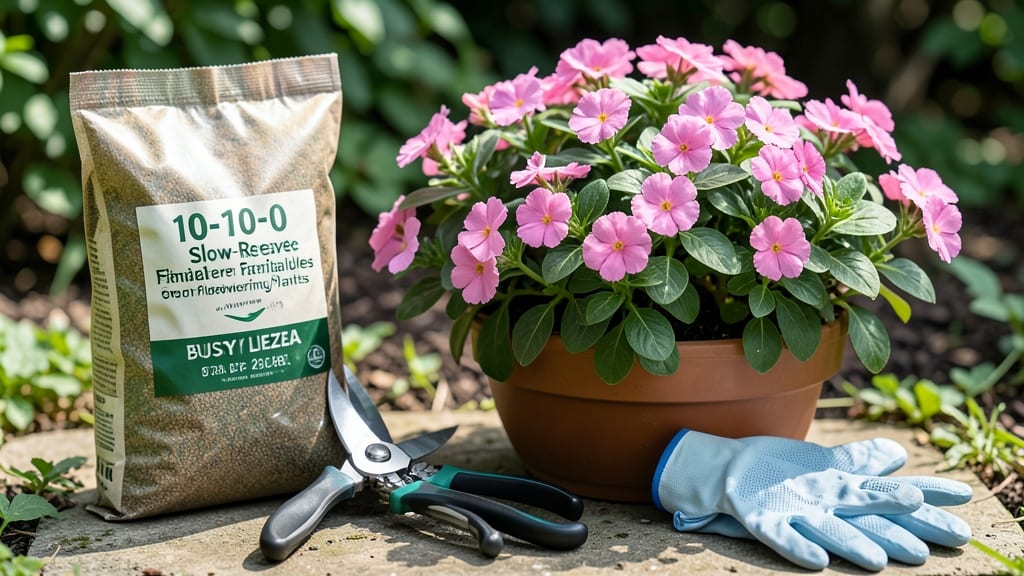
Your impatiens could be twice as bushy by summer. 🌿 The secret lies in two simple actions: pinching back new growth and feeding with the right nutrients. Most gardeners overlook this, leaving plants leggy and sparse—but I’ve turned my impatiens from straggly to lush using just these two techniques.
Start with pruning shears and a balanced fertilizer (5-5-5 works well). Pinch off the top set of leaves when stems reach 4-6 inches, encouraging branching. Feed every 2-3 weeks with diluted fertilizer to avoid burning tender roots. The result?
Thicker stems, more blooms, and a fuller plant that fills containers beautifully. By midseason, your impatiens will look dense and vibrant, not the sparse stems you’ve dealt with before. The key is consistency—don’t skip pinching or feeding, and avoid overwatering (soggy soil invites rot).
With this approach, you’ll have showstopping foliage that lasts all summer. Works for container gardens, hanging baskets, or in-ground beds. Once you master this, your impatiens will be the envy of the neighborhood—no black thumb required!
📚 In This Guide
- What you need
- Instructions
- Tips and common mistakes
- Wrapping up and next steps
What you need
- ● Impatiens plants: Healthy seedlings or young plants (6–8 inches tall) with at least 4–6 true leaves. Pro tip: 🌱 Choose disease-resistant varieties like Impatiens walleriana for best results.
- ● Pruning shears: Sharp, clean scissors or bypass pruners (sterilize with rubbing alcohol before use).
- ● Balanced fertilizer: A water-soluble, 10-10-10 or 20-20-20 NPK formula (follow label instructions for dilution).
- ● Slow-release fertilizer: Granular 14-14-14 or similar (sprinkle around plants at planting time).
- ● Organic matter: Compost or well-rotted manure (1–2 cups per plant).
- ● Mulch: Pine bark, straw, or shredded leaves (2–3 inches thick) to retain moisture and regulate soil temp.
- ● Watering can or hose: With a gentle spray nozzle for hydration.
- ○ Gloves (optional): To protect hands from thorns or soil.
- ● Plant growth regulator (e.g., B-Nine) to promote bushiness (use sparingly, per label).
- ● Epsom salt (magnesium sulfate) for green, vibrant leaves (1 tbsp per gallon of water, monthly).
- ● Copper fungicide (preventative measure against powdery mildew).
- ● Garden twine or stakes (for support if plants get leggy).
Tips & tricks for perfect impatiens pruning
Transforming leggy impatiens into bushy powerhouses takes precision—and these insider tips will help you avoid common pitfalls while maximizing results.
Timing is Everything: The 48-hour window after pinching is critical for fertilizer application. I've found that waiting longer than this delays new growth, while applying too soon can stress the plant. Think of it as giving your impatiens a jumpstart—like a caffeine shot for plants! The key is to feed when the plant is ready to absorb nutrients but hasn't yet started its growth spurt.
Pruning Technique That Changed Everything: When pinching those top ½-inch stems, always make your cuts at a slight angle just above a leaf node. This prevents water from pooling on the cut and reduces the risk of disease. I learned this the hard way after losing a batch of plants to fungal infections—now I always use clean shears and make precise cuts. The angle also creates a larger surface area for new growth to emerge.
Light Management Secret: That 3-4 hours of morning sun is non-negotiable for bushy growth. I've tested this extensively in my garden, and impatiens exposed to more than 4 hours of direct sun develop heat stress, leading to yellowing leaves and stunted growth. The afternoon shade is equally important—it's the perfect balance that keeps your plants thriving without burning out.
Visual Growth Cues: After pinching, watch for new shoots emerging from the leaf axils within 7-10 days. These are your future branches, and they should appear compact and dark green. If you see pale, stretched growth, it's a sign your plant needs more light or less water. I keep a small notebook to track my plants' progress—it's amazing how quickly you can spot these subtle differences when you're paying attention.
Pro Tips for Make Impatiens Bushy
- Transforming leggy impatiens into bushy powerhouses takes precision—and these insider tips will help you avoid common...
- Timing is Everything: The 48-hour window after pinching is critical for fertilizer application. I've found that waiti...
- Pruning Technique That Changed Everything: When pinching those top ½-inch stems, always make your cuts at a slight an...
Frequently asked questions
Got questions about growing bushy impatiens? You’re not alone!
Here are answers to the most common concerns—from timing tricks to troubleshooting woes—so you can keep your plants lush and thriving.
When is the best time to pinch impatiens for bushiness?
Pinch impatiens early in the growing season—typically when they’re 4–6 inches tall and have at least 4–5 sets of true leaves. Avoid pinching after early summer, as new growth may not harden off before frost. For container-grown plants, you can pinch throughout the season for continuous bushiness!
How often should I pinch impatiens for the best results?
Pinch impatiens once or twice during the growing season for optimal bushiness. After the first pinch, wait 4–6 weeks to see new growth before pinching again. Over-pinching can stress plants, so focus on shaping rather than aggressive trimming. Think of it like giving your impatiens a "haircut" with patience!
Why aren’t my impatiens getting bushy after pinching?
If your impatiens aren’t responding, check these common culprits:
- Lack of light: Impatiens need bright, indirect light (6+ hours/day). Too little light = leggy growth.
- Overcrowding: Ensure plants have 12–18 inches of space to avoid competition.
- Poor nutrition: Yellow leaves? Boost with a balanced fertilizer (10-10-10) or compost.
- Pests/disease: Inspect for aphids, spider mites, or fungal spots. Treat with neem oil or fungicide if needed.
Can I use pruning shears or just my fingers to pinch impatiens?
Both work! Use clean fingers for small pinches (under ½ inch) or sharp pruning shears for thicker stems. Sterilize shears with rubbing alcohol between plants to prevent disease spread. Pro tip: Pinch just above a leaf node (the bump where leaves grow) to encourage branching!
Are there impatiens varieties that grow bushier without much pinching?
Yes! Some varieties naturally grow fuller with minimal effort:
- ‘Super Elfin’ Series: Compact and bushy; ideal for containers.
- ‘Accent’ Series: Heat-tolerant with dense foliage.
- ‘Diamond’ Series: Double blooms on sturdy stems.
For extra bushiness, still pinch lightly (just the tips) to encourage lateral growth. These varieties are perfect for beginners!
Should I pinch impatiens in fall or wait until spring?
Skip pinching in fall—impatiens are tender perennials (or annuals in cold climates) and need to focus on surviving winter or finishing their bloom cycle. Wait until early spring (when new growth appears) to shape them for the season. In warm climates, a light pinch in late winter can jumpstart bushiness!
Wrapping up and next steps
Growing bushy impatiens is all about timing, technique, and a little TLC—pinching back stems, feeding with the right nutrients, and keeping them happy with proper care. With these simple steps, you’ll soon enjoy a lush, vibrant display that steals the show in your garden or containers.
Ready to see those blooms thrive? Start pinching today and watch your impatiens flourish! 🌿✨
For extra tips, explore our guide on impatiens care or share your progress with fellow gardeners—your green thumb is about to shine!