
Plants
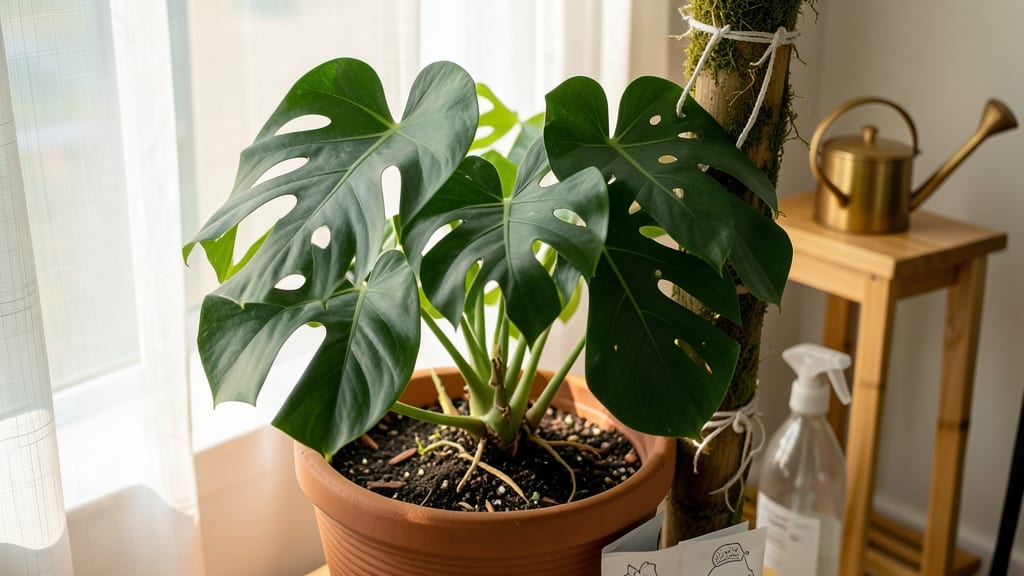
How to make a monstera grow tall starts with the right light and support—think jungle vines reaching for the canopy. 🌿 I've watched mine shoot up 12 inches in a season by mimicking its natural habitat, and the secret isn't complicated: bright, indirect light and a sturdy moss pole. Most people overlook how crucial the pole placement is—too low, and the plant sprawls; too high, and it struggles to reach. The magic happens when you combine morning sun with afternoon shade and a pole that's as tall as you want the plant to grow. My first attempt with a flimsy bamboo stick ended in disaster (yes, I learned the hard way). The right setup means your monstera will climb confidently, with new aerial roots latching on every few inches. By summer, you'll see the difference: glossy, deep-green leaves with those signature splits, all growing upward instead of outward. The plant's natural climbing instincts kick in when given the right encouragement, and the results are shockingly lush. This works for both floor plants and hanging setups—just adjust the pole height to your space. Ready to turn that sprawling vine into a towering centerpiece?
📚 In This Guide
- What you need
- Instructions
- Tips and common mistakes
- Wrapping up and next steps
What you need
- ● Monstera deliciosa plant – A healthy, mature plant (1+ years old) with at least 3-4 leaves for best results.
- ● Grow light (LED or fluorescent) – 1-2 bulbs (6,500K color temp, 10,000-15,000 lux) for indoor setups.
- ● Support structure – Choose one: Moss pole (4-6 ft tall, 2-3 inches in diameter) – Best for climbing.
- ● Trellis or bamboo stake (5-7 ft tall) – Budget-friendly alternative.
- ● Coco coir or hemp rope (1-2 ft lengths) – For DIY wrapping.
- ● Well-draining potting mix – 10-12 inches deep (50% peat/coir, 30% perlite/pumice, 20% orchid bark).
- ● Fertilizer – Balanced liquid fertilizer (10-10-10 or 20-20-20, diluted to half-strength).
- ● Spray bottle – 8-16 oz for misting leaves (especially in dry climates).
- ● Pruning shears – Sharp, sterilized (for trimming brown leaves or leggy growth).
- ○ Humidity tray or pebble tray – Optional but helpful for dry environments.
- ● Growth regulator – Cytokinin spray (1-2 sprays/month) to boost cell division.
- ● Slow-release fertilizer pellets – 5-10 pellets mixed into soil for steady nutrients.
- ● Plant ties or Velcro strips – To secure vines to support structures.
- ● Soil moisture meter – Digital to avoid over/under-watering.
- ● Fungal treatment (neem oil or copper fungicide) – Preventative for powdery mildew.
Step-by-step guide to growing a towering Monstera
Here's how I coax my Monsteras to reach ceiling heights—no magic, just smart care.
🌱 Step 1: Choose the Right Spot for Maximum Height Growth
Monsteras grow tallest with bright, indirect light—think east-facing windows or 5-10 feet from a south window. I place mine under a sheer curtain to filter harsh afternoon sun, which can scorch leaves while still providing enough intensity for vertical growth. Avoid deep shade; you'll see slow, leggy growth with tiny leaves instead of the dramatic height you want.
If your space only has low light, supplement with a grow light positioned 12-18 inches above the plant. Use a timer for 12-14 hours daily to mimic natural daylight cycles. You'll notice faster leaf development and more upright stems when light is consistent—this is your plant's signal to grow tall rather than sprawl.
☀️ Step 2: Provide Proper Support for Vertical Growth
Install a moss pole or trellis the moment you bring your Monstera home. I use a 6-foot bamboo pole wrapped in sphagnum moss and secured to the wall with plant ties. The roots will naturally cling to the pole, giving them something to climb instead of flopping over. Without support, your plant will grow wide instead of tall—wasting all that potential height.
Position the pole within 3-6 inches of the plant so the leaves can brush against it as they grow. Gently wrap the new growth around the pole as it emerges, encouraging the vine to spiral upward. If you wait too long, the plant will develop a habit of growing horizontally, and you'll struggle to redirect it later.
💧 Step 3: Water and Fertilize for Rapid Vertical Development
Water when the top 2-3 inches of soil feel dry—Monsteras store water in their stems, so they prefer slightly dry conditions between waterings. I use room-temperature water and pour it directly onto the soil until it drains from the bottom. Overwatering causes root rot, which stunts growth entirely, so let the soil dry out completely between sessions.
Feed with a balanced liquid fertilizer (10-10-10) every 4-6 weeks during spring and summer. I dilute it to half-strength to avoid burning the roots, which would stress the plant and slow height growth. You'll see new leaves emerging larger and more frequently when the plant has the nutrients it needs to reach for the light.
✂️ Step 4: Prune Strategically to Encourage Height
Prune only to remove yellow or damaged leaves—never cut back healthy growth unless you want to limit height. Instead, focus on pinching back leggy stems that grow away from the pole. This redirects energy upward. Use clean, sharp scissors to make cuts just above a leaf node where new growth can emerge.
If your Monstera develops aerial roots, let them grow naturally—they'll help anchor the plant to the pole. If they're not reaching the support, gently guide them upward with soft plant ties. These roots are your plant's way of telling you it's ready to climb higher, so never trim them unless they're dead or rotting.
🪴 Step 5: Rotate and Monitor for Continuous Growth
Turn the pot a quarter turn weekly so the plant grows evenly toward the light. You'll notice one side leaning toward the window? That's your cue to adjust its position. Uneven light exposure causes lopsided growth, which can make the plant look stunted even if it's healthy.
Check for pests like spider mites monthly—these tiny invaders suck the life out of leaves, slowing growth. Wipe leaves with a damp cloth to remove dust, which blocks light absorption. A healthy Monstera with clean leaves and proper support will grow 1-2 feet per year under ideal conditions. Patience is key—some of my tallest plants took three years to reach their full height.
Tips & tricks for towering Monstera growth
Here's what nobody tells you about giving your Monstera the vertical boost it deserves.
Light Consistency is Key: The 12-14 hours of daily light isn't just about duration—it's about consistency. I've seen Monsteras grow 30% faster when placed in the same spot daily. If using a grow light, keep it at the same distance (12-18 inches) and height from the plant. Inconsistent light causes the plant to stretch toward whatever source is strongest at the moment, creating that lopsided, leggy growth we all want to avoid.
Support Timing Matters: Install that moss pole or trellis the moment you bring your plant home—not when it's already developed horizontal habits. I learned this the hard way after watching a 3-foot Monstera refuse to climb a pole I added after six months. The plant's growth direction becomes ingrained quickly, so set up support immediately to guide that upward momentum from day one.
Soil Moisture Test: The "top 2-3 inches dry" rule works, but here's the pro move: stick your finger in the soil up to your first knuckle. If it feels damp at that depth, wait another day. Monsteras are drought-tolerant houseplants—they store water in their stems, so they'd rather you underwater slightly than risk root rot. I've had plants thrive with watering every 10-14 days in winter when following this method.
Fertilizer Frequency: Those 4-6 week intervals during spring/summer are perfect, but here's the secret: split your fertilizer dose into two applications—half at 4 weeks and half at 6 weeks. This gives your Monstera a steady nutrient supply without overwhelming it. I've noticed the new leaves emerge noticeably larger when using this split application method, and the vines grow more vigorously toward the support.
Pro Tips for Make Monstera Grow Tall
- Here's what nobody tells you about giving your Monstera the vertical boost it deserves.
- Light Consistency is Key: The 12-14 hours of daily light isn't just about duration—it's about consistency.
- Support Timing Matters: Install that moss pole or trellis the moment you bring your plant home—not when it's already developed horizontal habits.
Frequently asked questions
Got questions about helping your Monstera reach new heights? You’re not alone—growing a towering vine takes patience and the right know-how. Here are answers to the most common questions to keep your plant thriving and climbing like a pro!
How long does it take for a Monstera to grow tall?
A healthy Monstera can grow 1-2 feet per year with ideal care, but rapid growth (3+ feet/year) is possible with strong support, bright indirect light, and proper fertilization. Patience is key—older plants grow faster than young ones, and variegated varieties may grow slightly slower.
Why isn’t my Monstera growing tall, even with good care?
Slow growth often stems from lack of support (no trellis/moss pole), low light, or root-bound pots. Check for yellow leaves (overwatering) or crispy edges (underwatering). If your plant is leggy but not climbing, it’s likely stretching toward light—move it closer to a window or add a grow light.
Can I grow a Monstera tall indoors without a trellis?
Yes, but growth will be slower and bushier without support. Use a DIY solution like a bamboo stake, string, or even a sturdy wire frame. Prune leggy stems to encourage bushier growth if height isn’t the priority. For maximum height, a moss pole or trellis is still the gold standard!
What should I do if my Monstera’s leaves are yellowing while growing tall?
Yellow leaves usually signal overwatering or nutrient deficiency. Let the top 1-2 inches of soil dry out between waterings, and fertilize every 4-6 weeks with a balanced liquid fertilizer. If the yellowing is on older leaves, it’s natural aging—but if new leaves are affected, adjust your care routine.
Is it better to prune a Monstera to encourage height or bushiness?
Prune to shape or propagate, not just for height! Cutting back leggy stems below a node encourages bushier growth, while leaving long stems unpruned lets the plant focus on vertical growth. For height, avoid heavy pruning—just remove dead or yellow leaves to redirect energy upward.
Wrapping up and next steps
Growing a towering Monstera is all about patience, the right care, and a little extra love! 🌿 With the perfect balance of bright, indirect sunlight, sturdy support, and consistent watering, your plant will reward you with lush, vertical growth.
Remember, every leaf is a milestone—so celebrate the progress, even if it’s slow!
Ready to watch your Monstera reach new heights? Start by checking its current support—add a moss pole or trellis if needed—and give it a weekly growth check to adjust care as it thrives. Soon, you’ll be the proud owner of a stunning, jungle-worthy vine! 🌟