
Neem Oil
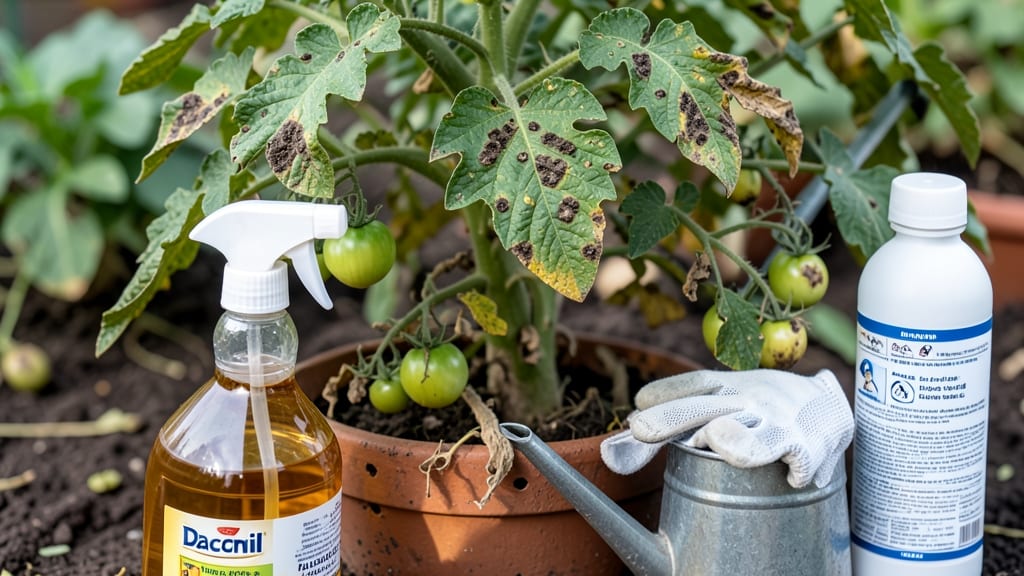
Fungal spores are the silent saboteurs of summer gardens. 🌱 I’ve watched powdery mildew turn lush tomato leaves to dust in days—until I learned how to use Daconil fungicide the right way.
The difference between a fungicide and a failed season often comes down to timing, technique, and safety. This isn’t just about spraying; it’s about strategy.
First, gather your gear: the fungicide itself, a sprayer (hose-end or backpack), protective gloves, long sleeves, and—most importantly—clear weather. Daconil works best when applied to dry foliage, and wind or rain within 24 hours can wash it away.
Mix it at 1 tablespoon per gallon of water (check the label for updates), and always shake well before spraying. The key is even coverage—don’t miss the undersides of leaves where spores hide.
You’ll see results within 7–14 days if you apply it at the first sign of disease (not after the damage is done). Spray every 7–10 days or after heavy rain, and always avoid edible plants for 24 hours before harvest.
The fungicide breaks down, but safety first. For organic gardeners, this is the non-negotiable step between panic and prevention.
Here’s the secret most people miss: prevention matters more than cure. Rotate with neem oil or copper sprays to avoid resistance, and focus on airflow—crowded plants invite fungal parties. With Daconil, you’re not just treating symptoms; you’re reclaiming your garden’s health. Ready to stop the spread?
📚 In This Guide
- What you need
- Instructions
- Tips and common mistakes
- Wrapping up and next steps
What you need
- ● Daconil Fungicide (Propiconazole 14.3%): 1 quart (32 oz) spray bottle or ready-to-use solution
- ● OR 16 oz concentrate (requires dilution)
- ● Protective Gear: Nitrile or rubber gloves (waterproof, not latex)
- ● Long-sleeved shirt and pants (lightweight, breathable fabric)
- ● Safety goggles (ANSI-rated for chemical splash protection)
- ● Face mask or respirator (if applying indoors or in poorly ventilated areas)
- ● Application Tools: Hose-end sprayer OR pump sprayer (2–4 gallon capacity)
- ● OR handheld sprayer (for small plants or containers)
- ● Measuring cup or graduated cylinder (for precise dilution)
- ● Water: Clean, non-chlorinated water (rainwater or tap water left out for 24 hours works)
- ● 5–10 gallons, depending on sprayer size and plant coverage needs
- ● Ladder or step stool (for tall plants or large garden beds)
- ● Pruning shears (to remove heavily infected foliage before treatment)
- ● Spray nozzle with adjustable settings (for targeted or fine mist applications)
- ● Weatherproof storage container (to keep Daconil dry and labeled)
- ● Timer or smartphone app (to track reapplication intervals)
Tips & tricks for effective Daconil fungicide application
These precision tips will help you maximize Daconil's effectiveness while protecting your garden ecosystem.
Timing is Everything: The 24-hour watering requirement before application isn't just about hydration—it's about creating optimal conditions. Wet foliage helps the fungicide adhere better to plant surfaces, but don't overdo it. Water just enough to thoroughly moisten the soil and lower leaves without creating puddles. This ensures the fungicide works where it's needed most, on the leaf surfaces where fungal spores thrive.
Solution Consistency: When mixing your 2 tablespoons of Daconil per gallon of water, don't be tempted to eyeball the measurement. Use a kitchen scale or measuring spoons for accuracy—even small variations can affect efficacy. I've found that adding a few drops of mild dish soap (about 1 teaspoon per gallon) creates better surface tension, helping the solution cling to leaves without damaging plant tissues. Always test this mixture on a small leaf first to ensure your plants tolerate it.
Application Technique: The key to thorough coverage lies in your spray technique. Hold the sprayer 12-18 inches away from the plant and apply until leaves glisten but don't drip. Focus on the undersides of leaves first—this is where many fungal spores hide. For dense foliage, work in sections, spraying until the solution runs off the bottom leaves. This ensures complete coverage without wasting product. Remember, you're not just treating symptoms; you're creating a protective barrier against future infections.
Weather Watch: The 50-85°F temperature range and 24-hour rain-free window are critical for success. I check the weather forecast religiously before applying—even light rain can wash away the fungicide before it has time to work. If you must apply when rain is forecast within 24 hours, consider using a sticker formulation of Daconil that adheres better to plant surfaces. This small adjustment can make a big difference in your treatment's effectiveness.
Pro Tips for Daconil Fungicide How To Use
- These precision tips will help you maximize Daconil's effectiveness while protecting your garden ecosystem.
- Timing is Everything: The 24-hour watering requirement before application isn't just about hydration—it's about creat...
- Solution Consistency: When mixing your 2 tablespoons of Daconil per gallon of water, don't be tempted to eyeball the ...
Frequently asked questions
Got questions about using Daconil fungicide?
You’re not alone! Here are some of the most common concerns—plus clear, practical answers to help you tackle fungal issues like a pro.
How often should I apply Daconil fungicide for best results?
For preventive care, apply Daconil every 7–14 days during active fungal risk periods (like wet or humid weather). If treating an existing infection, reapply every 7 days until symptoms disappear. Always follow the label’s recommended frequency for your specific plant or crop.
Can I use Daconil fungicide on edible plants like fruits and vegetables?
Yes, but with caution! Daconil is labeled for many edible plants (e.g., tomatoes, peppers, berries), but follow the pre-harvest interval (PHI)—typically 1–3 days—to avoid residue. Avoid overspraying flowers or bees to protect pollinators. Always check the product label for crop-specific guidelines.
What should I do if Daconil stops working after a few applications?
If Daconil loses effectiveness, the fungus may have developed resistance. Rotate with a different fungicide (like copper-based or biological options) or try a mixed solution (e.g., Daconil + neem oil). Also, ensure proper spacing between applications and address environmental factors like poor air circulation or overwatering.
Do I need to water plants after applying Daconil?
No—wait 24 hours before watering or rain exposure. Daconil requires 6–8 hours of dry conditions to work effectively. Watering too soon can wash it off, reducing its protective power. Early morning applications (before humidity peaks) often work best.
Are there organic alternatives to Daconil?
If you prefer organic options, try baking soda spray (1 tsp baking soda + 1 quart water + a drop of soap), copper fungicide, or neem oil. While these may be less potent, they’re safer for ecosystems. For severe infections, Daconil’s active ingredient (chlorothalonil) remains one of the most reliable synthetic solutions.
Pro tip: Always test Daconil on a small plant area first to check for sensitivity!
Wrapping up and next steps
Mastering Daconil fungicide is your first line of defense against plant diseases, ensuring your garden thrives with lush, healthy foliage. 🌱 By following the precise steps—from preparation to post-application care—you’re not just treating symptoms but preventing future outbreaks. Now that you’re equipped with the knowledge, take action!
Start with a small test area, monitor results, and adjust your routine as needed. Your green thumb is closer than ever—grab that spray bottle and get growing! 🚀