
Container Gardens
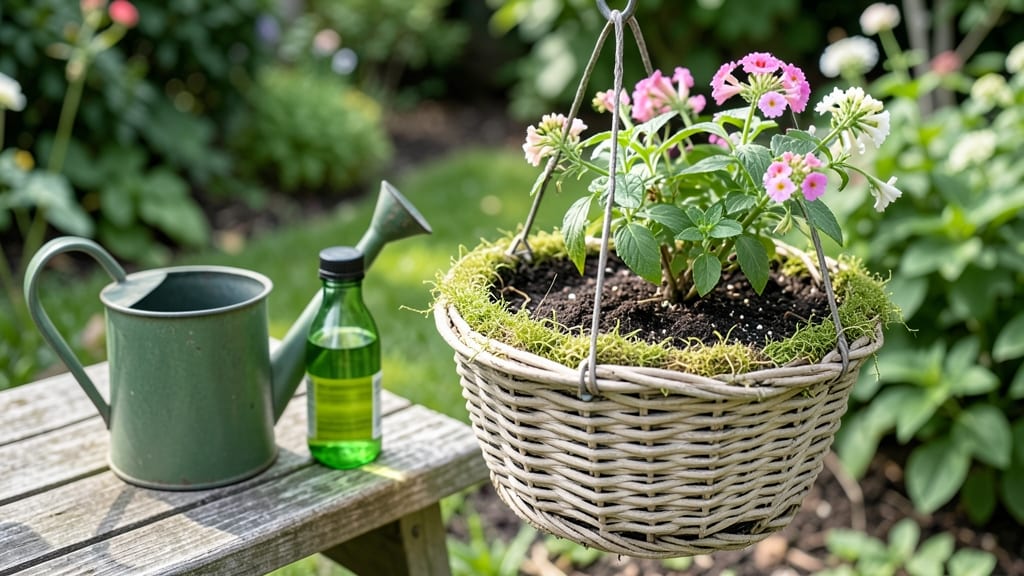
Caring for calibrachoa in hanging baskets can turn your porch or patio into a nonstop floral spectacle—but only if you nail the details. This sun-loving beauty, with its trailing vines and tiny trumpet-shaped blooms, thrives when given the right mix of moisture, light, and nutrients.
If you've ever watched your calibrachoa 🌸 droop midday or struggle to produce blooms, you're not alone. The key lies in understanding its unique needs—like watering from the bottom to keep roots happy and fertilizing just enough to fuel those vibrant flowers without burning the foliage.
In this guide, I'll walk you through the exact steps to keep your calibrachoa baskets lush and blooming from June through September. We'll cover everything from soil secrets to pruning tricks that prevent leggy growth and maximize your floral display.
Ready to transform your hanging baskets into a year-round showstopper? Let's dive into the care routine that'll have your calibrachoa looking its best all season long.
Optimal light, watering, and soil conditions for calibrachoa growth
Calibrachoa, or million bells, thrives in hanging baskets but needs precise conditions to flourish. The right light exposure, watering routine, and soil mix are critical for preventing root rot and encouraging nonstop blooms. Let’s break down the science-backed requirements for your calibrachoa’s success.
For optimal growth, calibrachoa demands full sun exposure—at least 6 hours daily. While it can tolerate partial shade in extreme heat, baskets in shady spots will produce fewer blooms. Position your baskets where they receive morning sun and filtered afternoon light to balance intensity.
Hanging baskets dry out 3x faster than ground soil, so watering frequency is non-negotiable. During spring and summer, water daily or every other day, ensuring the soil stays consistently moist but never soggy.
Use the finger test: insert your finger 1 inch deep—if dry, it’s time to water.
Soil composition is equally vital. Calibrachoa thrives in well-draining, airy mixes with a slightly acidic pH (5.5–6.5). Avoid heavy garden soil—opt for a blend of peat moss, perlite, and compost to prevent root suffocation. Add orchid bark or coconut coir for extra aeration.
Calibrachoa Care Summary
| Category | Requirement | Specification |
|---|---|---|
| Light | Daily Exposure | 6+ hours full sun |
| Water | Frequency | Daily (spring/summer) |
| Soil | Drainage | Well-draining, airy |
| pH Level | Ideal Range | 5.5–6.5 |
| Basket Size | Minimum | 12–14 inches |
Adjust your watering schedule seasonally. In fall, reduce to every other day as growth slows, and in winter, water bi-weekly unless temperatures drop below freezing. Always water at soil level to avoid wetting foliage, which can invite fungal diseases like powdery mildew.
For heatwave protection, elevate baskets off the ground to improve air circulation and shade them slightly during peak afternoon sun (1–4 PM). Mist leaves early in the morning to boost humidity without risking evening moisture buildup.
When selecting hanging baskets, prioritize 12–14 inch diameter containers with drainage holes. Larger baskets retain moisture longer, reducing daily watering demands. Line baskets with sphagnum moss to slow evaporation and add a 1-inch layer of gravel at the bottom for drainage.
Test your soil pH annually with a kit—calibrachoa’s acidic preference is crucial for nutrient uptake. Amend with sulfur or pine needles if pH drifts above 7.0. A slow-release fertilizer mixed into the soil at planting provides a nutrient boost without risk of overfeeding.
Monitor for wilting or yellowing leaves, which signal overwatering or poor drainage. If roots appear mushy, repot immediately in fresh, dry mix. Conversely, crispy edges on leaves mean underwatering—adjust your schedule and increase humidity with a pebble tray beneath the basket.
With these light, water, and soil fundamentals mastered, your calibrachoa will reward you with season-long blooms and lush foliage. Next, we’ll dive into fertilization and pruning to keep your plants thriving.
Fertilization schedule and pruning techniques for long-lasting blooms
Your calibrachoa thrives on regular feeding to produce its signature nonstop blooms. Unlike many plants, it prefers a balanced 10-10-10 fertilizer every 2-4 weeks during its active growing season (spring through fall). The key is consistency—skip fertilizing in winter when growth slows dramatically.
For organic gardeners, fish emulsion or compost tea works wonders, but synthetic options like slow-release granules mixed into the soil at planting time provide steady nutrition. Pro tip: Always water thoroughly before applying fertilizer to prevent root burn from concentrated salts.
Pruning is equally critical for bushier growth and longer bloom cycles. Start by deadheading spent flowers daily—this redirects energy to new blooms instead of seed production. Use clean, sharp scissors to snip stems just above a leaf node, never tearing the plant.
For leggy calibrachoa, pinch back the top sets of stems when they reach 3-4 inches tall. This encourages branching and a fuller basket. Repeat this pinching technique every 4-6 weeks throughout the growing season to maintain that lush, cascading look.
Watch for over-fertilization signs like yellowing leaves or crispy edges—these mean you're feeding too much. Flush the soil with water to leach out excess salts, then resume feeding at half-strength. A happy calibrachoa will reward you with continuous blooms from spring until frost!