
Pruning
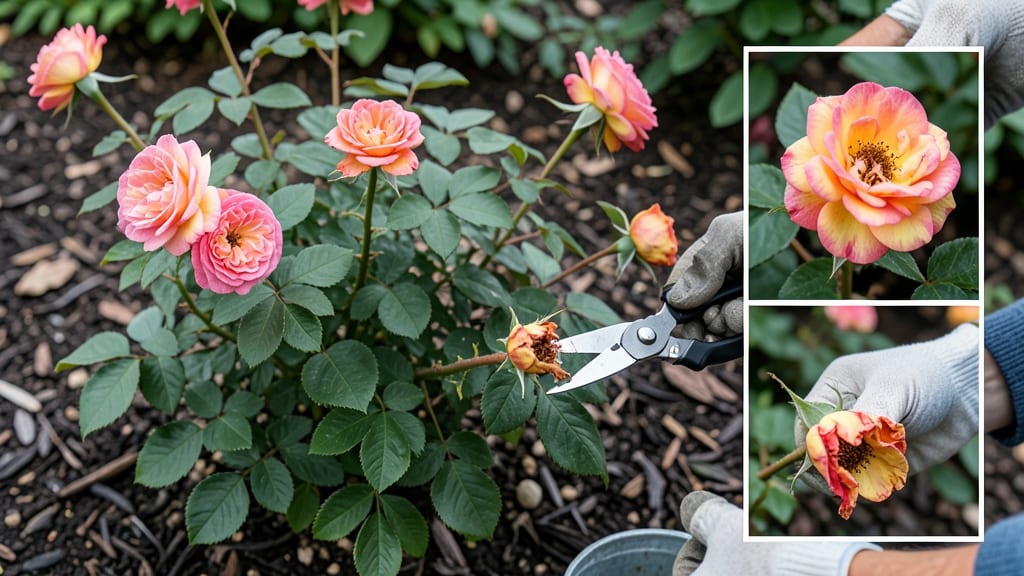
Deadheading floribunda roses isn’t just about tidying up—it’s the secret to nonstop summer blooms. ✂️ I’ve seen roses go from sparse clusters to lush, repeat-flowering shrubs in just three weeks after mastering this simple technique. The key? Knowing where to cut and when to stop before winter.
You’ll need sharp pruners, a clean cloth (to wipe blades between cuts), and a glove—because those thorns don’t care about your manicure.
The real magic happens in three precise steps: snip spent blooms at the first five-leaflet stem, shape the bush for airflow, and time your last cut before the first frost. No guesswork, just science-backed results.
What you’ll end up with is a bush that keeps flowering until fall, with fewer pests and stronger stems. The flowers stay vibrant longer, and the plant puts energy into next year’s buds instead of seeding.
It’s the difference between a rose bush that fades by July and one that’s the star of your garden until October. This method works for all floribunda varieties, from ‘Iceberg’ to ‘Julia Child’, and adapts to container roses too. Ready to transform your roses into a blooming machine?
Let’s get started.
📚 In This Guide
- What you need
- Instructions
- Tips and common mistakes
- Wrapping up and next steps
What you need
- ● Pruning shears or bypass pruners – Choose sharp, high-quality shears with bypass blades (avoid anvil pruners, which can crush stems). A 5-inch to 7-inch blade works best for floribunda roses.
- ● Garden gloves – Opt for cut-resistant, breathable gloves (e.g., leather or synthetic mesh) to protect your hands from thorns and debris.
- ● Disinfectant (rubbing alcohol or bleach solution) – Clean your shears with 70% isopropyl alcohol or a 1:9 bleach-to-water mix before and after pruning to prevent disease spread.
- ● Garden twine or plant ties – A 1/4-inch wide twine or soft ties to secure heavy stems or support new growth after trimming.
- ● Trash bag or compost bin – Collect spent blooms and debris to keep your workspace tidy.
- ○ Sharpie or permanent marker – Optional but helpful for marking stems if you’re training or identifying specific branches.
- ● Loppers – For thicker stems (if your floribunda has woody growth beyond 1/2 inch in diameter). Look for 8-inch to 12-inch loppers with a bypass blade.
- ● Hand pruners with a crimping tool – Useful for sealing larger cuts to prevent water loss or disease entry.
- ● Knee pad or stool – If your roses are tall or you’ll be kneeling for extended periods.
- ● Rose fertilizer or compost – Apply after deadheading to give your roses a nutrient boost (e.g., balanced 10-10-10 fertilizer or well-aged compost).
- ● Spray bottle with water – Keeps blades cool and prevents sap buildup on your shears.
Step-by-step instructions for deadheading floribunda roses
Here's the precise method floribunda growers use to coax continuous blooms—no guesswork, just results.
✂️ Step 1: Identify and Select Spent Blooms
Floribundas produce clusters of blooms on the same stem, so you'll see multiple buds at different stages. Wait until at least 75% of the petals have fallen naturally from a cluster—this signals the bloom is fully spent. Never cut a bud that's still open or just beginning to bloom; you'll sacrifice next season's flowers.
Run your thumb gently along the stem below the faded bloom. You'll feel a small bump where the flower meets the stem—this is the bud union. This is your cutting point. If you cut above it, you remove potential blooms; below it, you encourage leggy growth. I always make a slight upward angle on my cuts to prevent water from pooling.
✂️ Step 2: Make Clean Cuts at the Right Angle
Use sharp, clean pruners or bypass shears to avoid crushing stems. Position the blade just above the bud union (that small bump you felt earlier) and make a 45-degree angle cut. This angled cut creates more surface area for new growth to emerge and prevents water from sitting on the stem.
For floribundas, you're not removing entire stems—just the spent flower clusters. You'll see new buds forming at the base of where you cut. If you accidentally cut into a leaf bud instead of the stem's base, don't panic. Just make another cut above that mistake, but remember: always cut at an angle to protect the plant.
✂️ Step 3: Encourage New Growth with Strategic Trimming
After removing spent blooms, examine the stem for any weak or crossing branches. Remove these immediately—they compete with your main stems for energy. Look for outward-facing buds when making cuts; these will produce fuller, more open plants. I always step back to check the plant's shape after trimming; you want to maintain an open center that allows air circulation.
Here's the thing—don't overdo it. Floribundas bloom on both old and new wood, so you're not pruning for shape like you would with hybrid teas. Just remove the spent blooms and any dead or diseased stems. After trimming, give your roses a light watering to help them recover. You'll see new flower buds forming within 4-6 weeks, signaling your work paid off.
🌿 Step 4: Maintain Health Through the Season
After deadheading, keep an eye out for aphids or powdery mildew—these pests love stressed roses. I spray a preventive mix of water and neem oil every 2 weeks during bloom season. Also, remove any suckers (shoots growing from the base) immediately; they drain energy from your main stems.
Floribundas respond well to a balanced fertilizer (10-10-10) applied every 6 weeks after blooming. This keeps them producing those lush clusters without excessive leaf growth. The key is consistency: deadhead regularly, fertilize on schedule, and you'll enjoy continuous blooms from early summer through fall.
Tips & tricks for perfect floribunda rose maintenance
These precise techniques will help you extend your floribundas' blooming season with minimal effort.
Bud Union Precision: The bud union is your secret weapon—it's where new growth emerges. When you feel that small bump below the spent bloom in Step 1, make your cut just above it. I've learned the hard way that cutting too high removes potential blooms, while cutting too low encourages leggy, weak stems. A slight upward angle on your cut prevents water from pooling, which could rot the stem. Think of it as creating a little roof over the cut to keep moisture out.
Tool Selection Matters: Sharp, clean pruners are non-negotiable. Dull blades crush stems, causing damage that invites disease. I always clean my pruners with rubbing alcohol between cuts on different plants to prevent cross-contamination. For floribundas, bypass shears work best—they make cleaner cuts than anvil pruners, which can crush the delicate stems. If you don't have dedicated rose pruners, any sharp, clean bypass pruners will do the job.
Timing is Everything: The 4-6 week window mentioned in Step 3 for new buds to form is critical—this is when your plant is recovering and preparing for its next bloom cycle. Don't rush this process. I've seen gardeners impatiently trim too aggressively, only to sacrifice future blooms. The key is patience: let those outward-facing buds develop naturally. You'll know you're on track when you see fresh green growth emerging from the base of your cuts.
Pest Prevention Strategy: That 2-week neem oil spray schedule in Step 4 isn't just about treating pests—it's about prevention. Aphids and powdery mildew thrive on stressed plants, and deadheading creates temporary stress points. Mix 1 tablespoon of neem oil with 1 quart of water and a drop of dish soap as an emulsifier. Spray in the early morning so the oil has time to dry before the sun intensifies. This simple preventive measure has saved my roses from multiple infestations over the years.
Pro Tips for Deadhead Floribunda Roses
- These precise techniques will help you extend your floribundas' blooming season with minimal effort.
- Bud Union Precision: The bud union is your secret weapon—it's where new growth emerges. When you feel that small bump...
- Tool Selection Matters: Sharp, clean pruners are non-negotiable. Dull blades crush stems, causing damage that invites...
Frequently asked questions
Got questions about deadheading floribunda roses?
You’re not alone! Here are answers to the most common concerns—so you can trim with confidence and keep your roses thriving.
When is the best time to deadhead floribunda roses?
Deadhead after a bloom fades but before the hips (seed pods) form. For continuous blooming, trim spent flowers every 2–3 weeks during the growing season (spring through fall). Avoid pruning in late summer—this can stunt new growth before winter.
Do I need special tools to deadhead?
Nope! Start with clean hand pruners or sharp scissors for small stems. For thicker branches, bypass pruners work best. Pro tip: Disinfect tools with rubbing alcohol between cuts to prevent disease. A glove (to protect from thorns) and a bucket (for clippings) round out your kit.
What if I skip deadheading—will my roses still bloom?
Yes, but expect fewer, smaller blooms and more energy wasted on seed production. Deadheading redirects the plant’s focus to new growth and more flowers. Skipping it won’t kill your roses, but you’ll miss out on that lush, repeat-blooming beauty!
I accidentally cut too far—what should I do?
Don’t panic! If you’ve trimmed into old wood (dark, woody stems), pause deadheading for a month to let the plant recover. Focus on healthy canes next time. Rule of thumb: Never cut more than ⅓ of the plant’s height in one session.
Can I deadhead in rain or after heavy watering?
Avoid wet conditions—damp stems can spread fungal diseases like black spot. Wait until the foliage is dry (morning or afternoons work best). If rain’s in the forecast, trim 2–3 hours before to let cuts dry slightly.
| Quick Troubleshooting | Solution |
|---|---|
| Blooms wilt or drop immediately after deadheading | You cut too close to the center. Aim for the first 5-leaflet leaf below the bloom. |
| Roses stop blooming after trimming | Fertilize with balanced rose food (10-10-10) and water deeply to encourage new growth. |
| Stems bleed sap excessively | Normal! It’s the plant’s way of healing. Prune on a dry day to minimize mess. |
Wrapping up and next steps
Deadheading your floribunda roses isn’t just about tidying up—it’s a simple way to unlock longer, lusher blooms and healthier plants! By following the 3-step trim method, you’ll encourage more flowers, reduce pests, and keep your garden thriving with minimal effort. 🌸
Ready to see the difference? Grab your pruners and give your roses the care they deserve—your garden will thank you with bold, vibrant blooms all season!
Next step: Mark your calendar for regular deadheading sessions (every 1-2 weeks during peak bloom) and watch your floribundas shine brighter than ever! 🌟