
Picking
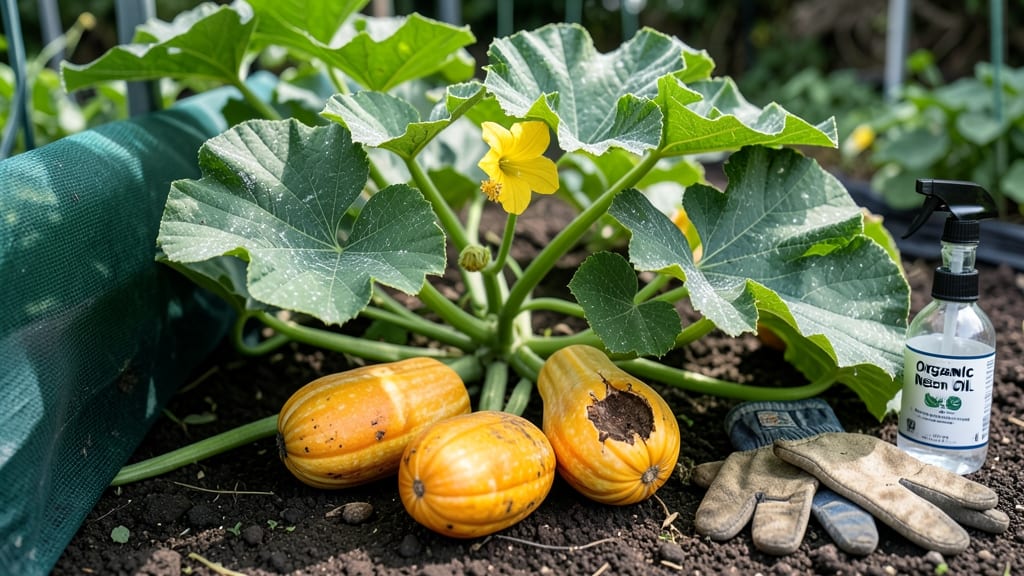
How to fix your Delicata squash when it turns into a pest magnet? 🌿 That boil-and-pour trick I learned last summer saved my harvest when squash bugs and mildew threatened to ruin my plants. The solution isn’t complicated—just hot water, dish soap, and a few minutes of your time to create a barrier that pests can’t cross.
Most problems start with poor air circulation or overwatering, which invites powdery mildew and squash bugs. My first year, I lost half my crop to mildew because I ignored the warning signs—white dust on leaves and wilting vines.
But once I fixed those issues, my plants bounced back stronger than ever.
You’ll see results almost immediately: leaves stay crisp, pests stay away, and your squash grows straight and healthy. The best part? This method works for other squash varieties too, not just Delicatas. No more wilting, no more holes—just a thriving vine ready for harvest.
Works in minutes and lasts for weeks, even in humid climates. Here’s exactly how to make it work for your garden—no fancy tools required.
Root Causes of Delicata Squash Damage
Delicata squash, with its edible skin and sweet, nutty flavor, is a gardener’s dream—but it’s also a magnet for pests and environmental stressors. Understanding why these problems occur is the first step to preventing them.
Below, we break down the science behind the most common issues, from soil-borne pathogens to insect invasions, so you can take targeted action.
Delicata squash thrives in well-draining, nutrient-rich soil with a pH between 6.0 and 7.0. When soil fails to meet these needs, the plant weakens, making it vulnerable to disease and pests.
- Compacted or Waterlogged Soil:
Excessive moisture or clay-heavy soil cuts off oxygen to roots, leading to root rot (caused by Phytophthora or Pythium fungi).
Delicata squash roots suffocate, turning brown and mushy, while the plant wilts despite adequate watering. Test your soil’s drainage by digging a 6-inch hole and filling it with water—if it drains slower than 4 hours, amend with compost or sand.
- Nutrient Deficiencies:
Yellowing leaves (chlorosis) often signal a lack of magnesium (Mg) or nitrogen (N). Delicata squash is heavy-feeding, so depleted soil leads to stunted growth and weak vines. A soil test reveals deficiencies—apply Epsom salt (magnesium sulfate) for yellowing leaves or composted manure for nitrogen.
- Soil-Borne Pathogens:
Fungal diseases like Fusarium wilt or Powdery Mildew lurk in old garden beds. These pathogens thrive in warm, humid conditions, clogging plant vessels and blocking water/nutrient flow. Rotate crops (avoid planting squash in the same spot for 3 years) and disinfect tools with 10% bleach solution to prevent spread.
Delicata squash is a buffet for insects, and their attacks often go unnoticed until it’s too late. Here’s why pests target your crop—and how they do it.
- Squash Bugs & Vine Borers:
These pests inject toxins or lay eggs in leaf axils, causing wilting, yellowing, and black excrement.
Squash bugs (Anasa tristis) pierce vines with their stylet mouthparts, while vine borers (Melittia satyriniformis) tunnel into stems, disrupting the plant’s vascular system. Handpick adults early in the morning or use kaolin clay as a physical barrier.
- Cucumber Beetles:
These striped or spotted beetles transmit bacterial wilt (Erwinia tracheiphila) while feeding on leaves and flowers. Their saliva contains enzymes that break down plant cell walls, leading to shothole-like damage. Row covers (applied at planting) block beetles until flowers emerge.
- Squirrels & Raccoons:
Delicata squash’s sweet flesh makes it a high-protein snack for wildlife. These animals dig up vines or chew through rinds, leaving behind jagged tears. Physical barriers (chicken wire) or repellents (hot pepper spray) deter them—apply after dark when they’re most active.
Delicata squash is sensitive to extreme weather. Too much sun, heat, or moisture creates the perfect storm for physiological disorders.
- Blossom End Rot:
Caused by calcium deficiency (not just a lack of calcium, but poor uptake due to inconsistent watering), this disorder appears as sunken, dark lesions on the squash’s blossom end. Fluctuating soil moisture (dry then suddenly wet) prevents calcium absorption. Mulch heavily to retain moisture and side-dress with crushed eggshells (high in calcium).
- Powdery Mildew:
This fungal disease (Podosphaera xanthii) thrives in humidity >75% and poor air circulation. It coats leaves with a white, powdery film, blocking photosynthesis and weakening the plant. Space plants 3–4 feet apart and water at soil level (avoid overhead spraying).
- Sunscald:
Young, tender squash exposed to intense afternoon sun (>90°F) develops bleached, papery patches where cells die. The skin loses integrity, making the squash prone to rot. Provide afternoon shade with floating row covers or plant near taller crops (like corn or pole beans).
Key Takeaway: Most delicata squash problems stem from preventable conditions—whether it’s soil neglect, pest neglect, or environmental oversight. By addressing these root causes, you’ll save your crop before damage occurs. Next, we’ll cover quick fixes to reverse the damage and protect your harvest.
Quick Fixes for Delicata Squash Woes
Delicata squash may be resilient, but even the toughest varieties can fall victim to pests, diseases, or storage mishaps. The good news? Most issues have simple, fast solutions—often requiring just a few minutes of your time.
Below, we’ve mapped out the most common problems and the practical fixesthat actually work, along with tips to keep your squash thriving for the long haul.
If insects or rodents are targeting your delicata squash, a hot water barrier is your secret weapon. This method is chemical-free, budget-friendly, and works in under 10 minutes.
🔥 Step-by-Step Pest Repellent
- 👨🍳 Boil 2–3 gallons of water in a large pot or kettle.
- 🔪 Add 1–2 tablespoons of dish soap (the greasy kind works best) to break surface tension and help the water cling.
- 🚜 Pour the hot mixture along the base of the squash bed, focusing on the soil perimeter and any visible tunnels or nests.
- ⏰ Let it cool, then water the area normally to rinse away residue.
✨ Pro Tip: For extra protection, sprinkle dried cayenne pepper or crushed red pepper flakes around the base—pests hate the spicy kick! Reapply after rain.
If your delicata squash shows soft, mushy patches or fuzzy mold (like powdery mildew), act fast to prevent spread.
💡 How to Treat Fungal Issues
- 🧹 Remove affected squash immediately—don’t compost them near healthy plants.
- 🌡️ Spray with a baking soda solution: Mix 1 teaspoon baking soda + 1 quart water + a drop of dish soap.
Spray on leaves (avoid direct sun to prevent leaf burn). 3. 🌿 Improve airflow: Thin out crowded vines and water at the base (not overhead) to keep foliage dry. 4. 🔄 Repeat every 5–7 days until new growth appears.
💡 Prevention: Plant delicata squash in full sun (6+ hours/day) and space vines 3–4 feet apart to reduce humidity buildup.
If your delicata squash feels too soft or mealy, it might be overripe—but that doesn’t mean it’s trash! Here’s how to rescue it:
🍳 How to Use Overripe Delicata Squash
- 🔪 Slice and roast: Toss chunks in olive oil, salt, and smoked paprika, then roast at 400°F (200°C) for 20–25 minutes until caramelized.
- 🥣 Make squash mash: Boil peeled cubes, mash with butter, and mix with cream cheese or sour cream for a creamy side dish.
- 🍲 Blend into soup: Puree with broth, coconut milk, and spices for a luxurious bisque.
💡 Pro Tip: Store delicata squash in a cool, dark place (50–55°F / 10–13°C)—it’ll last 2–3 weeks instead of going bad overnight.
Yellowing or wilting leaves usually mean nutrient deficiency, overwatering, or poor drainage. Here’s how to revive your plant:
🌿 How to Revitalize Stressed Plants
- 💧 Check the soil: Stick your finger 2 inches deep—if it’s soggy, your squash is drowning. Let it dry out before watering again.
- 🌱 Feed with compost tea: Brew 1 cup compost in 5 gallons water for 24 hours, then strain and water the base.
- 🪴 Improve drainage: Mix sand or perlite into the soil if your garden retains too much moisture.
- 🌞 Ensure 6+ hours of sun—delicata squash needs plenty of light to thrive.
💡 Prevention: Plant in well-draining soil and mulch with straw or shredded leaves to retain moisture without suffocating roots.
Squirrels, rabbits, and deer love delicata squash—but you can outsmart them with low-cost barriers:
🛡️ How to Deter Garden Pests
- 🏗️ Install a chicken wire fence (1–2 feet high) around the bed.
- 🌿 Use row covers (lightweight fabric) to protect young plants.
- 🧂 Sprinkle crushed eggshells or coffee grounds—the gritty texture deters burrowing pests.
- 🍎 Hang fake owls or predator decoys near the garden (move them weekly to stay effective).
💡 Pro Tip: Interplant with herbs like basil or thyme—pests dislike the strong scents!
With these fast, foolproof fixes**, your delicata squash will bounce back in no time. Whether it’s pests, disease, or ripeness issues, a little proactive care goes a long way. Now grab your kettle, spray bottle, or roasting pan—and get to work! 🚜🍽️
Frequently asked questions
Why does my delicata squash develop dark spots on the blossom end?
Those dark, sunken spots are blossom end rot, caused by calcium deficiency or inconsistent watering. The fix? Apply crushed eggshells (high in calcium) around the base and mulch heavily to keep soil moisture even. Water deeply but consistently—never let the soil dry out completely.
How do I get rid of squash bugs without chemicals?
Try the boil-and-pour method! Boil 2-3 gallons of water with 1-2 tablespoons of dish soap, then pour it along the soil perimeter where bugs hide. For extra protection, sprinkle dried cayenne pepper around the base—it repels pests naturally. Reapply after rain.
Can I still use delicata squash if it's soft or mealy?
Overripe delicata squash is perfect for roasting or soups. Slice into chunks, toss with olive oil and spices, then roast at 400°F (200°C) for 20-25 minutes until caramelized. For soups, peel and blend with broth and coconut milk. Store any remaining squash in a cool, dark place (50-55°F) to extend freshness.
What's the best way to prevent powdery mildew on delicata squash?
Improve airflow by spacing plants 3-4 feet apart and watering at the base (never overhead). For treatment, spray leaves with a mix of 1 teaspoon baking soda + 1 quart water + a drop of dish soap. Apply in the morning to avoid leaf burn, and repeat every 5-7 days until new growth appears.
How do I keep squirrels and rabbits from eating my delicata squash?
Install a 1-2 foot tall chicken wire fence around the bed or use lightweight row covers for young plants. Sprinkle crushed eggshells or coffee grounds near the base—the gritty texture deters burrowing pests. For extra protection, interplant with herbs like basil or thyme, which pests dislike.