
Pests
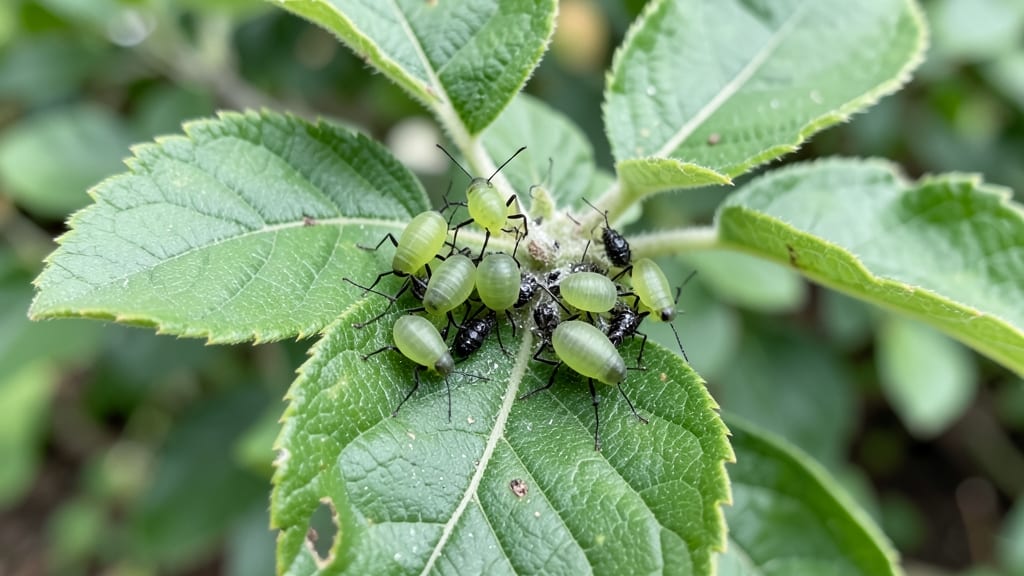
How to get rid of aphids on apple trees—your sticky, infested tree needs a solution that works where sprays fail. The boil-water barrier method smothers those pests on contact without harming your tree. Most people reach for sprays first, but aphids build resistance fast. Boiling water kills them instantly when applied directly to clusters, and it’s safer than chemicals for fruit trees. You’ll need a kettle, a small watering can, and a sunny afternoon to apply it. By the end of the day, you’ll see fewer aphids clinging to leaves, and the natural predators like ladybugs will return to finish the job. The key is timing—do this when aphids are active but before they spread to other trees. Works for organic gardens, urban orchards, and even backyard apple trees. Let’s get those pests under control for good.
Root Causes of Apple Tree Aphids
Aphids may seem like a minor nuisance, but their presence on apple trees is rarely random. Understanding the underlying reasons behind these tiny sap-sucking pests helps you address the problem at its source—before it spirals out of control.
Let’s break down the key factors that turn your apple trees into aphid buffets.
Aphids thrive when apple trees are under stress, and overcrowding is a major trigger.
When trees compete for sunlight, water, and nutrients, their natural defenses weaken. Stressed trees produce less sap—which is their primary food source—but they also emit volatile organic compounds (VOCs) that aphids detect from miles away (yes, really!).
Overcrowding isn’t just about physical space—it’s also about poor air circulation. Humid, stagnant conditions create the perfect breeding ground for aphids, as they prefer environments with 60-80% humidity. If your orchard or backyard trees are planted too closely, aphids will colonize faster because:
- Weakened immunity: Trees can’t allocate enough energy to produce defensive compounds like tannins or alkaloids.
- Slower recovery: Pruning wounds or damage from hail/frost take longer to heal, leaving entry points for pests.
- Ant attraction: Aphids secrete honeydew, a sugary byproduct that lures ants—who then "farm" the aphids for food, protecting them from predators.
💡 Pro Tip: Thin out trees to allow 6-10 feet of space between mature apple trees (dwarf varieties need 4-6 feet). Prune in late winter to improve airflow and reduce stress.
Aphids don’t just attack weak trees—they’re drawn to trees with specific nutritional imbalances. While they feed on sap (which is mostly water and sugars), they prefer trees that are:
- Nitrogen-rich but deficient in phosphorus/potassium: Excess nitrogen (common in over-fertilized soil) makes leaves soft and sap-heavy, but low phosphorus weakens root systems, making trees more vulnerable. Aphids detect these imbalances through plant odors.
- Calcium or magnesium deficient: These minerals help trees maintain cell wall integrity. Without enough, leaves become thinner and more susceptible to damage, making them easier targets for aphids.
- Zinc or iron deficient: These micronutrients are critical for chlorophyll production. Yellowing leaves (chlorosis) signal to aphids that the tree is struggling to photosynthesize efficiently.
Soil pH also plays a role. Aphids prefer slightly acidic to neutral soil (pH 6.0–7.0). If your soil is too alkaline (pH >7.5), trees may struggle to absorb nutrients, indirectly inviting aphids.
🌡️ Actionable Fix: Test your soil (kits cost ~$20) and amend with:
- Compost or well-rotted manure for organic matter.
- Bone meal (for phosphorus) or greensand (for potassium).
- Epsom salt (magnesium sulfate) if leaves show yellowing between veins.
Aphids are part of a delicate ecosystem. In a healthy orchard, natural predators like ladybugs, lacewings, parasitic wasps, and birds keep their populations in check. But when these predators vanish, aphids multiply unchecked. Here’s why their numbers drop:
Cause
Effect on Predators
Aphid Impact
Overuse of broad-spectrum pesticides (e.g., neonicotinoids, pyrethroids)
Kills ladybugs, lacewings, and bees (which also pollinate trees).
Aphids rebound within 2–3 weeks with no predators left.
Loss of diverse plantings (monoculture orchards)
Reduces habitat for beneficial insects (e.g., no flowering plants for pollinators).
Fewer predators mean aphids spread faster between trees.
Urbanization or habitat fragmentation
Birds (like robins or chickadees) can’t find enough food sources.
Aphid colonies grow larger before being detected.
✨ Eco-Friendly Solution: Introduce aphid-resistant plantings nearby (e.g., marigolds, dill, or yarrow) to attract predators. Avoid pesticides during predator-active hours (early morning or late evening).
Aphids are cold-blooded and highly sensitive to temperature. While they can’t survive freezing winters, mild winters and warm springs accelerate their life cycles. Here’s how weather creates the perfect aphid storm:
- Early springs: Aphids wake up from egg diapause (a dormant state) when temperatures rise above 50°F (10°C). If winter was unusually warm, they hatch weeks earlier, giving them a head start.
- Hot, dry summers: While aphids dislike extreme heat, their populations explode in the weeks before drought stress hits. Trees under water stress produce more sap to compensate, making them more appealing.
- Humid conditions: High humidity (70%+) slows down natural enemies like parasitic wasps (which need dry conditions to lay eggs). It also helps aphids retain moisture and reproduce faster.
- Wind patterns: Aphids can’t fly far, but winged aphids (a reproductive stage) are carried by wind. If your area has prevailing winds from infested orchards, they’ll hitch a ride.
🔥 Climate Adaptation: Monitor local weather forecasts. If your region predicts unusually warm winters, inspect trees in February–March for egg masses on buds. Prune before aphids emerge to remove potential hiding spots.
Aphids don’t just infest trees—they overwinter in garden debris. If you leave:
- Mulch piles too close to tree bases.
- Fallen leaves, fruit mummies, or pruned branches on the ground.
- Weeds like dandelions or clover (which aphids colonize first).
You’re essentially giving them a free hotel. In spring, they migrate to your apple trees, already primed to reproduce.
👨🍳 Cleanup
Quick Fixes for Aphid-Infested Apple Trees
Aphids may be tiny, but their damage adds up fast—sticky honeydew, curled leaves, and weakened fruit. The good news? You don’t need harsh chemicals to reclaim your apple trees.
Below are targeted, practical solutions based on the root cause of your infestation, from organic sprays to long-term prevention. Let’s tackle this step by step!
If your trees are covered in aphids, act fast with these immediate fixes to disrupt their life cycle.
💦 Boil-Water Barrier (The Star of This Article!) Aphids hate heat—and boiling water is a zero-chemical, eco-friendly way to smother them. How to do it: 1. 🔥 Boil 1 gallon of water (or use a large pot).
- ⏰ Wait 1 minute to let it cool slightly (but keep it steaming hot).
- 🌿 Pour directly onto aphid clusters, focusing on: - New growth tips (where aphids love to hide) - Undersides of leaves - Fruit stems
- 🌧️ Repeat every 3–5 days until aphids disappear (usually 1–2 weeks).
Why it works: The sudden heat kills eggs and adults on contact while leaving your tree unharmed. Pro tip: Do this early in the morning so leaves dry quickly, preventing fungal issues.
If boiling water isn’t enough (or you prefer sprays), these homemade solutions break aphids’ grip without toxicity.
🌿 Soap Spray (Gentle but Effective)
Recipe:
- 1 tbsp mild liquid castile soap (or insecticidal soap)
- 1 quart lukewarm water
- 1 tsp vegetable oil (helps it stick)
How to use:
- 👨🍳 Mix thoroughly in a spray bottle.
- 🌿 Spray undersides of leaves and aphid hotspots until dripping.
- 🌧️ Reapply every 4–5 days for 2 weeks.
⚠️ Warning: Avoid dish soap—it can damage leaves!
🍋 Vinegar & Pepper Spray (Hot but Safe)
Recipe:
- 1 cup white vinegar
- 1 tsp hot pepper sauce (or cayenne)
- 1 quart water
How to use:
- 🔥 Shake well before spraying (the capsaicin irritates aphids).
- 🌿 Apply in the evening (vinegar can burn leaves in direct sunlight).
- 🌧️ Repeat weekly until aphids retreat.
💡 Pro Tip: Add a drop of dish soap to help the spray cling to leaves.
Sometimes, the best solution is inviting predators to do the dirty work for you.
🐞 Ladybugs & Lacewings (Aphid’s Worst Nightmare)
- 🛒 Buy ladybug eggs or adults online or from garden centers.
- 🌿 Release them at dusk when aphids are most active.
- 🍃 Provide water (a shallow dish with pebbles) to keep them around.
💡 Pro Tip: Avoid pesticides—they’ll kill your beneficial bugs too!
🐛 Nematodes (For Soil-Borne Aphids)
If aphids are underground (e.g., root aphids), beneficial nematodes (Steinernema feltiae) hunt their eggs.
- 💧 Water soil with nematode solution at dusk (they die in sunlight).
- 🌱 Reapply after heavy rain.
Once you’ve kicked aphids out, keep them from moving back in with these low-effort habits:
🌿 Prune for Airflow
- 🔪 Trim crowded branches to improve sunlight and airflow (aphids thrive in shady, humid spots).
- 🍎 Remove suckers (shoots growing from the trunk) where aphids hide.
🌱 Healthy Soil = Strong Trees
- 💪 Test soil pH (aphids love alkaline soil—aim for 6.0–7.0).
- 🌿 Add compost to boost tree resilience.
- 🍃 Mulch with straw (not wood chips) to deter aphids from climbing up.
🕵️♂️ Early Detection = Easy Wins
- 👀 Check trees weekly for sticky residue (honeydew) or curled leaves.
- 🍎 Inspect fruit stems—aphids love new growth!
- ❌ Skip prevention—aphids return if conditions stay ideal.
- ❌ Use bleach or harsh chemicals—they harm bees and beneficial insects.
- ❌ Ignore ants—they farm aphids for honeydew! Use diatomaceous earth near the trunk to block them.
Final Thought: Aphids are annoying but beatable—whether you boil them away, spray them off, or let nature handle it. Pick a method, stay consistent, and your apple trees will be back to thriving in no time! 🍏🌿
Frequently asked questions
How soon will I see results after using the boil-water method?
You should notice a significant reduction in aphids within 3-5 days of consistent treatment. The boiling water kills both adult aphids and eggs on contact, so repeated applications every 3-5 days for 1-2 weeks typically eliminates most infestations. For severe cases, combine with a soap spray for faster results.
Can I use neem oil on apple trees to control aphids?
Yes, neem oil is an excellent organic option for apple trees. Mix 1 tablespoon of neem oil with 1 teaspoon of mild soap in 1 quart of water, then spray thoroughly on both leaf surfaces. Apply in the evening to avoid leaf burn, and repeat every 7-10 days until aphids disappear. It disrupts aphid life cycles while being safe for beneficial insects.
Why do aphids keep coming back even after treatment?
Persistent aphids usually mean one of three things: new infestations from nearby plants, hidden egg masses you missed, or ideal conditions (like poor airflow or overwatering) that keep attracting them. Check for ants (they protect aphids), improve tree spacing, and treat all nearby plants simultaneously. A follow-up boil-water treatment every 10 days helps prevent regrowth.
Is it safe to eat apples from trees I've treated with boiling water?
Boiling water is completely safe for fruit trees and won't harm the apples. The method only targets aphids directly, leaving the tree and fruit completely unaffected. For extra peace of mind, harvest fruit 24 hours after treatment to ensure any residual moisture has dried. This makes it one of the safest organic control methods for edible trees.
What's the best time of day to apply aphid treatments?
For most treatments (including boiling water, soap sprays, and neem oil), early morning is ideal because it allows leaves to dry quickly, reducing the risk of fungal issues. If using vinegar-based sprays, apply in the evening to prevent leaf burn from sunlight. Always avoid treating when temperatures exceed 85°F (29°C), as this can stress the tree or reduce treatment effectiveness.