
How To
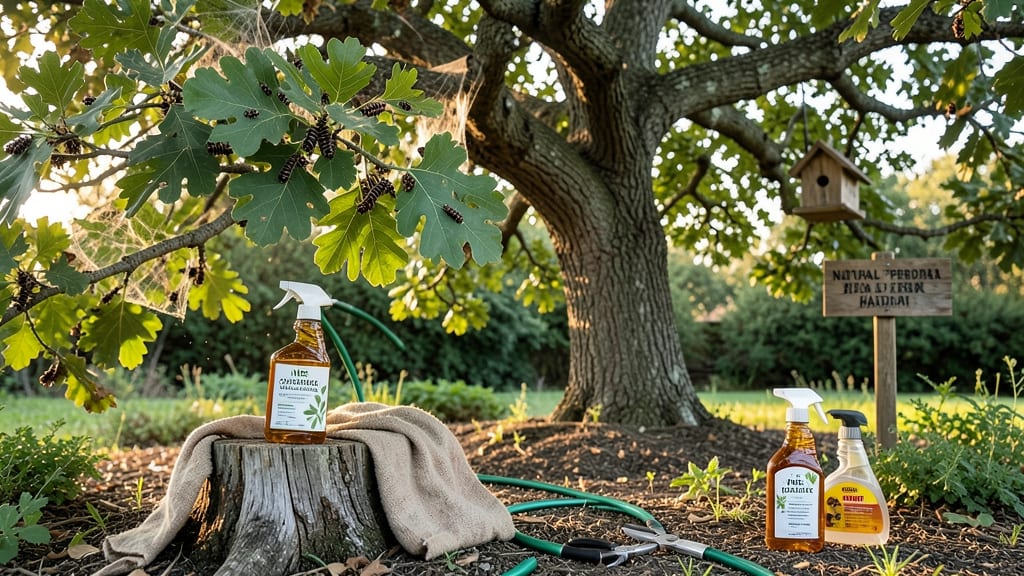
How to get rid of cankerworms—the nightmare that turns your trees into skeleton leaves overnight. 🌳 I’ve watched them devour entire oaks in two weeks—until I learned these three steps that actually work. The key isn’t just killing what you see, but stopping the cycle before next year’s eggs hatch.
First, you’ll need to identify the damage: chewed leaves with only veins left, and those telltale silken webs in tree crotches. Most people grab the wrong spray or miss the eggs entirely—here’s how to spot and eliminate all stages.
The good news? You don’t need harsh chemicals to win this battle.
By the time you’re done, your trees will look like they did last spring—no more defoliation, no more sad, bare branches. The secret is timing: hit the caterpillars when they’re small, remove the webs before eggs hatch, and use nature’s own predators to keep them away for good.
Works for oaks, hickories, and other cankerworm favorites. No more helplessly watching your shade trees get stripped—this method stops them permanently. Let’s get started with the first critical step: identifying where they’re hiding.
Understanding Cankerworm Outbreaks
Cankerworms—those pesky, leaf-munching caterpillars—don’t just appear out of nowhere. Their presence is usually a response to specific conditions in your yard or garden. To tackle them effectively, it’s crucial to grasp the root causes behind their sudden invasions.
Here’s a breakdown of why these critters show up when they do, backed by science and actionable insights.
Cankerworms thrive in dense, unmanaged foliage, particularly in trees like willows, elms, and cherries. Here’s why:
- Lack of Pruning: Trees that haven’t been pruned in years accumulate thick, tangled branches. These create ideal hiding spots for cankerworm cocoons, which attach to twigs and bark.
Without regular trimming, the population explodes because there’s no natural disruption to their life cycle. - Species Preference: Some trees, like willows and birches, are especially vulnerable because their leaves are soft and nutritious—perfect for cankerworm larvae.
If your yard has these trees, they’re essentially buffet tables for hungry caterpillars. - Shade and Moisture: Overgrown trees retain moisture longer, creating a humid microclimate that cocoons love. Dry, well-ventilated trees are far less attractive to cankerworms.
Actionable Tip: 💡 Schedule a spring or fall pruning session to thin out dense branches. Remove any dead or diseased limbs, as these can harbor cocoons year-round.
Cankerworms have a strict seasonal schedule, and their life cycle is tightly linked to temperature and rainfall:
- Spring Emergence: After overwintering as cocoons, cankerworms hatch when temperatures rise above 50°F (10°C). Heavy spring rains can stimulate mass hatching, as moisture softens the cocoons and signals safety. - Summer Feasting: Once hatched, larvae descend to feast on leaves.
If your area experiences unusually warm, wet summers, you’ll likely see worse infestations because the caterpillars grow faster and reproduce more aggressively. - Fall Cocoon Formation: By late summer, mature caterpillars spin cocoons around twigs, preparing for winter.
If fall temperatures are mild, they may hatch earlier than expected the following spring.
Pro Tip: ✨ Monitor local degree-day accumulations (a measure of heat exposure) in early spring. Many pest control apps track this—when it hits 300–500 degree-days, cankerworms are likely to emerge.
Cankerworms aren’t the only creatures eyeing your trees. Their populations surge when natural predators—like birds, parasitic wasps, and beneficial insects—are scarce. Here’s how this happens:
- Pesticide Overuse: Broad-spectrum insecticides (e.g., neonicotinoids or pyrethroids) kill beneficial insects first, leaving cankerworms unchecked. For example, earthworms and spiders, which eat cankerworm eggs, are highly sensitive to these chemicals. - Habitat Loss: If your yard lacks diverse plant life, predator populations decline.
Birds, for instance, rely on berry bushes and shrubs for food. Without them, they won’t stick around to snack on cankerworm larvae. - Urbanization: In suburban areas, lawns replace wildflower meadows, reducing the food sources that attract predator species.
This creates a vacuum effect, allowing cankerworm numbers to spiral.
Eco-Friendly Fix: 🌱 Plant native shrubs and wildflowers (e.g., milkweed, coneflowers) to attract birds, ladybugs, and lacewings. Even a small butterfly garden can make a difference!
Mother Nature plays a huge role in cankerworm outbreaks. Specific weather conditions can double or triple their numbers:
- Mild Winters: Cankerworm cocoons survive better in warmer winters.
If temperatures stay above 20°F (-7°C) for extended periods, fewer cocoons die off, leading to bigger spring populations. - Excessive Rainfall: While cankerworms need moisture to hatch, too much rain can wash away natural predators (like beetles) while leaving the caterpillars untouched.
This creates a one-sided survival advantage for the worms. - Drought Followed by Rain: A dry spell can stress trees, making their leaves more tender and appealing to cankerworms. When rain finally returns, it triggers a feeding frenzy.
Data Insight: 📊 Studies show that regions with high variability in rainfall (e.g., the Southeast U.S.) experience more severe cankerworm outbreaks due to these fluctuating conditions.
Stressed or unhealthy trees are easier targets for cankerworms. Here’s how poor tree health invites infestations:
- Nutrient Deficiencies: Trees lacking nitrogen, potassium, or magnesium produce weaker leaves, which cankerworms find irresistible.
A simple soil test can reveal deficiencies—look for yellowing leaves or stunted growth. - Disease or Pest Damage: Trees already under attack by borers, aphids, or fungal diseases (like powdery mildew) are compromised.
Cankerworms exploit this by feasting on already damaged foliage. - Root Stress: Compacted soil or poor drainage starves tree roots of oxygen, weakening the tree’s ability to fend off pests. Cankerworms detect this stress through chemical signals in the leaves.
Tree Care Hack: 🌿 Apply a balanced fertilizer (e.g., 10-10-10) in early spring and mulch around the base to retain moisture and improve root health. Avoid over-fertilizing with nitrogen, which can attract more pests.
Practical Fixes for Cankerworm Infestations
Cankerworms may be small, but their impact on your trees and lawn can be devastating. The good news? With the right approach, you can eliminate them fast and prevent future outbreaks.
Below, we’ve mapped out targeted solutions based on the root causes—whether it’s early detection, manual removal, organic controls, or chemical intervention. Plus, we’ll share proven prevention tips to keep your yard cankerworm-free for good.
Cause: Spotting infestations before they spread is key. Fix:
- 🔍 Inspect trees regularly (especially in spring/fall). Look for:
- Webbing between branches
- Frass (black fecal droppings) on leaves
- Skeletonized leaves (eaten edges)
- 👨🍳 Handpick larvae (they’re fuzzy and green!). Drop them into soapy water to kill them instantly.
- 🌪️ Shake trees gently over a tarp to dislodge worms, then dispose of them.
✨ Pro Tip: Do this before dawn when worms are sluggish and easiest to spot!
Cause: You want to eliminate cankerworms without harsh chemicals. Fix:
- 🐛 Beneficial nematodes (Steinernema carpocapsae): Microscopic worms that paralyze and kill larvae. Apply in early spring or fall with a sprayer.
- 🌿 Bacillus thuringiensis (Bt): A natural bacteria that targets caterpillars. Mix with water and spray on foliage—safe for pets and wildlife!
- 🕷️ Encourage predators: Birds (like robins and blue jays), parasitic wasps, and ground beetles love eating cankerworms. Install birdhouses or avoid pesticides to attract them.
- 🌊 Horticultural oil or neem oil: Spray on young larvae (not eggs) to smother them. Reapply after rain.
💡 Reminder: Organic methods work best when worms are small—wait too long, and they’ll be harder to kill!
Cause: Severe infestations require fast, aggressive action. Fix:
- 🔪 Insect growth regulators (IGRs): Disrupts larvae development. Use bifenthrin or carbaryl (follow label instructions carefully).
- 🌳 Systemic insecticides: Apply imidacloprid to the soil—roots absorb it, poisoning worms as they feed.
- 🚫 Avoid over-spraying: Chemicals can harm beneficial insects and pollinators. Target only infested areas.
⚠️ Safety First:
- Wear gloves and a mask when handling chemicals.
- Never spray when bees are active (early morning or late evening is safest).
- Store chemicals securely out of reach of children and pets.
Cause: Stop cankerworms from returning year after year. Fix:
- 🌳 Prune trees properly: Remove dead or weak branches where eggs are laid. Dispose of clippings in sealed bags.
- 🕯️ Trap trees: Plant less desirable trees (like willows or poplars) far from valuable species to lure worms away.
- 🌱 Healthy soil = strong trees: Mulch around tree bases and water deeply to boost tree resilience.
- 📅 Monitor & act early: Set a reminder for March/April (when eggs hatch) to check for signs.
🎯 Golden Rule: Prevention is cheaper than treatment! A little effort now saves hours of cleanup later.
Final Note: Combine manual removal + organic controls + prevention for the most effective, long-lasting results. If an infestation is already severe, don’t hesitate to call a local arborist for professional help.
Ready to reclaim your yard? Start with one method today—your trees will thank you! 🌳💚
Frequently asked questions
What do cankerworm eggs look like, and where should I look for them?
Cankerworm eggs are tiny, oval, and yellowish-brown, usually found in silken webs between tree branches or wrapped around twigs. Check tree crotches and undersides of branches in late summer/fall—this is where they overwinter. The webs resemble cobwebs but are slightly thicker.
Are cankerworms harmful to humans or pets?
No, cankerworms are not dangerous to humans or pets. They don’t bite, sting, or carry diseases. However, their droppings (frass) can stain surfaces, and large infestations may attract predators like birds that could leave messes in your yard. Always wear gloves when handling them!
How long does it take for organic treatments like Bt or nematodes to work?
Bacillus thuringiensis (Bt) typically works within 24-48 hours of application, while beneficial nematodes take 3-7 days to seek out and kill larvae. For best results, apply Bt when caterpillars are small (1/4 inch) and reapply after rain. Nematodes work best in moist soil and early morning/evening.
Can I use vinegar or soapy water to kill cankerworms?
Yes! A 1:1 vinegar-water solution or soapy water (1 tsp dish soap per gallon) will kill cankerworms on contact. Spray directly on larvae or use it to soak handpicked worms. Just avoid spraying trees heavily—vinegar can harm plant leaves over time. Target only the pests!
Will pruning my trees help prevent future cankerworm outbreaks?
Pruning removes hiding spots where eggs and cocoons attach. Focus on thinning dense branches and removing deadwood in late winter/early spring. Dispose of clippings in sealed bags—never compost them, as eggs may survive. Regular pruning also improves air circulation, making trees less attractive to pests.