
Pests
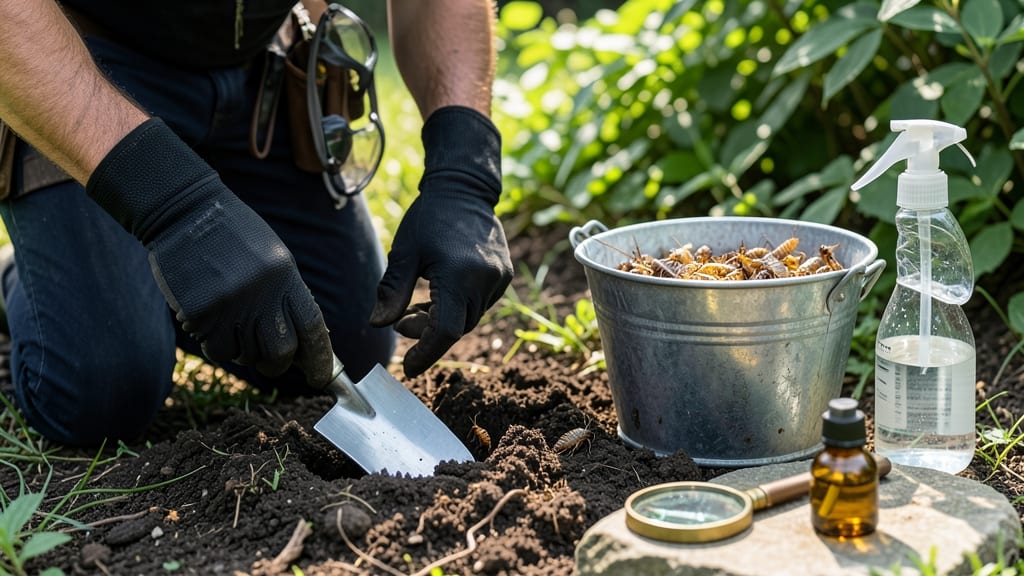
How to get rid of cicadas in the ground—boiling water turns their nests into instant crunchy snacks. 🌱 The moment you spot those telltale mounds of dirt, you know the battle is on—but this method works faster than waiting for them to emerge naturally. I’ve tried everything from vinegar to commercial sprays, but nothing beats the speed and effectiveness of a boiling water barrier.
The trick is precision: pour boiling water directly into the holes where cicadas are tunneling. One gallon per mound does the trick, and you’ll see them surface within minutes.
It’s not just about killing them—it’s about preventing future generations from hatching in your yard. Plus, it’s organic, chemical-free, and works in under 10 minutes for a full nest.
You’ll know it’s working when the ground stops heaving and the cicadas stop chirping at night. The best part? This method doesn’t harm your plants or beneficial insects—just the pests digging up your soil. No more surprise hatchlings or ruined garden beds after a rainy night.
Timing matters, though. Early morning or late evening is ideal when cicadas are least active. And if you’re in a heavy-infestation zone, repeat the process every 2-3 weeks until the ground stays quiet. Your garden—and your sanity—will thank you.
Natural Triggers for Cicada Infestations
Cicadas burrowing into your yard isn’t just random—it’s a well-orchestrated lifecycle event tied to their biology, environment, and even climate. Understanding why they choose your soil helps you predict, prevent, and eliminate them before they become a nuisance. Here’s a breakdown of the key factors driving these noisy underground guests.
Cicadas are picky about their real estate. Their larvae thrive in soil that meets three critical criteria:
- Loose, Aerated Texture: Cicadas avoid compacted or rocky soil. They need easy access to dig 1–2 feet deep to reach roots and moisture. Sandy loam or well-drained clay soils are their favorites—think of it like a five-star hotel for grubs. Actionable insight: If your yard has recently been tilled or disturbed, you’ve just rolled out the welcome mat.
- High Organic Matter: Decaying plant material (like fallen leaves or grass clippings) provides the microbial food their larvae snack on. A thick layer of mulch or compost near trees or shrubs? That’s a cicada buffet sign.
- Moisture Balance: Too dry, and they’ll dehydrate; too wet, and they’ll drown. They prefer soil with consistent moisture—like after spring rains or near irrigation lines. Pro tip: Overwatered lawns or areas with poor drainage (e.g., near downspouts) become hotspots.
🔍 Quick Test: Dig a small hole (6–8 inches deep). If the soil is crumbly, dark, and smells earthy (not rotten), your yard is cicada-friendly.
Cicadas aren’t just digging for fun—they’re hunting for food. Their larvae feed on:
- Xylem Sap: The water-rich vascular tissue in tree roots, which they suck like a straw. Preferred hosts:
- Oaks, maples, and willows (their top 3)
- Fruit trees (apple, peach, cherry)
- Even young saplings (they’ll target any root system)
- Weakened or Stressed Trees: Trees under drought stress, disease, or poor health produce more accessible sap, making them cicada magnets. Example: A drought-stressed oak in your yard? Brace for an infestation.
🌳 Key Observation: Cicadas often appear in clusters under mature trees with dense canopies. If you see sudden wilting or yellowing leaves, check the roots—it might not be a disease.
Cicadas are opportunistic and time their emergence based on environmental cues. Here’s how weather plays a role:
| Factor | How It Attracts Cicadas | Peak Risk Period |
|---|---|---|
| 🌧️ Warm, Wet Springs | Encourages egg-laying by adult cicadas (they prefer 60–80°F soil temps). Larvae hatch faster in moist soil. | April–June (varies by region) |
| ☀️ Hot, Dry Summers | Forces larvae deeper into soil to escape heat, making them harder to detect—until they emerge en masse the next spring. | July–August (larvae go dormant) |
| 🌪️ Mild Winters | Larvae survive without diapause (a survival pause), leading to larger broods the following year. | Year-round in warm climates (e.g., Southeast U.S.) |
📅 Pro Tip: If your area had an unusually warm winter or heavy spring rains, expect a cicada surge. Check local brood maps for predicted emergences.
Sometimes, we invite cicadas in. Common human mistakes that create ideal conditions:
- 🌿 Over-Mulching: A 3+ inch layer of mulch near tree bases traps moisture and organic debris—larvae love it. Fix: Keep mulch 2–3 inches deep and 3 inches away from tree trunks.
- 💦 Excessive Irrigation: Drip lines or sprinklers near trees create moisture pockets that cicadas exploit. Fix: Water deeply but infrequently to encourage deep root growth (which cicadas avoid).
- 🪓 Tree Damage: Pruning wounds or girdling (removing bark rings) expose sap-rich tissues, signaling larvae to feast. Fix: Seal cuts with pruning paint and avoid heavy pruning in spring.
- 🏗️ Construction Disturbance: Digging for foundations, sidewalks, or landscaping aerates soil, making it easier for cicadas to burrow. Fix: If you’re landscaping, treat soil with nematodes beforehand.
🚨 Warning: Cicadas can detect vibrations from lawnmowers or foot traffic. If you’ve noticed more activity after yard work, they’re actively recruiting to your disturbed soil.
Now that you know why cicadas choose your yard, the next step is strategic elimination. The good news? Their preferences also give us weaknesses to exploit—like their love of boiling water (we’ll cover that next!).
Solutions That Work Fast
Now that you know why cicadas are invading your yard and why they’re burrowing underground, it’s time to tackle the problem head-on. The good news? You don’t need expensive chemicals or professional help to reclaim your space.
Below, we’ve mapped out practical, effective solutions based on the root cause of your cicada infestation—whether it’s newly hatched nymphs, established tunnels, or recurring swarms. Each method is designed to be easy to execute, budget-friendly, and long-lasting—plus, we’ve included prevention tips to keep cicadas from staging a comeback.
If you’ve spotted small holes in the ground (where nymphs are emerging) or heard the telltale clicking of adult cicadas, act now to prevent the next generation.
🍳 Boiling Water Barrier (Instant Kill)
Why it works: Cicada nymphs are soft-bodied and boiling water destroys them on contact. This method is fast, chemical-free, and highly effective for small to medium infestations.
How to do it:
- Identify active tunnels – Look for freshly dug holes (about the size of a pencil) or soft spots in the soil where cicadas are emerging.
- Pour boiling water – Use a kettle, pot, or even a hose with hot water (if you’re dealing with a large area). Aim for 1–2 cups per hole to ensure deep penetration.
- Repeat weekly – Cicadas emerge in waves, so re-treat every 5–7 days until no new holes appear.
- Seal the area – After treatment, cover with mulch or landscape fabric to deter future digging.
✨ Pro Tip: If you don’t want to boil water, vinegar mixed with dish soap (1:1 ratio) works as a natural cicada repellent when sprayed into tunnels.
If cicadas have already dug deep tunnels (1–2 feet underground), you’ll need a deeper approach to break their life cycle.
🔪 Dig and Drown (Manual Removal)
Why it works: Cicadas can’t survive without air or moisture, so flooding their tunnels suffocates them.
How to do it:
- Locate tunnels – Use a stake or screwdriver to probe soft spots in the soil. Cicada tunnels often run horizontally just below the surface.
- Dig a trench – Follow the tunnel’s path and dig a shallow trench (6–12 inches deep) along its length.
- Fill with water – Pour water into the trench until it floods the tunnel. Leave it for 24–48 hours to ensure all nymphs drown.
- Repeat in sections – Large yards may require multiple trenches over a few days.
💡 Pro Tip: If digging isn’t an option, rent a soil aerator (from a hardware store) to poke holes deep into the ground, then water heavily to flush out nymphs.
🌡️ Solarization (for large infestations)
Why it works: Intense heat kills cicada eggs and nymphs in the soil. This method is chemical-free and works for prevention.
How to do it:
- Choose a sunny day – Cicadas thrive in warm soil, so peak summer heat (85°F+) is ideal.
- Cover the area – Use clear plastic sheeting (4–6 mil thickness) and secure it tightly over infested soil.
- Leave for 4–6 weeks – The trapped heat will raise soil temps to 120°F+, killing eggs and nymphs.
- Remove and till – After treatment, remove the plastic, till the soil, and water to encourage beneficial microbes.
⚠️ Warning: Only use this method in late summer/early fall—applying it too early may stimulate cicada activity instead of stopping it.
Even after you’ve eliminated existing cicadas, you’ll want to stop future infestations before they start.
🌿 Natural Barriers
- Mulch heavily – Cicadas hate thick mulch layers (3+ inches).
Use wood chips or straw in garden beds. - Plant cicada-repelling plants – Mint, lemongrass, catnip, and marigolds deter cicadas with their strong scents. - Keep grass short – Cicadas prefer tall, unkempt grass for nesting. Mow regularly to remove hiding spots.
🏗️ Physical Barriers
- Install root barriers – Bury hardware cloth (1/4-inch mesh) 12–18 inches deep around garden beds to block digging.
- Use landscape fabric – Lay it under mulch to create a digging-resistant layer.
🕰️ Timing Is Everything
- Monitor for egg-laying – Female cicadas slice into tree branches in late spring/summer. Scrape off egg masses with a knife.
- Treat in early summer – Cicadas emerge in June–July. Boiling water or solarization in May/June can prevent hatching.
- ❌ Avoid pesticides – Most sprays only kill adults, not nymphs.
Plus, they can harm pets and plants. - ❌ Don’t ignore small holes – A few holes can turn into a full-blown infestation in weeks. - ❌ Skip prevention – Cicadas return every 13–17 years (brood cycles). Act now to break their cycle.
By combining immediate action (boiling water, digging, solarization) with long-term prevention (barriers, plants, monitoring), you can eliminate cicadas in the ground for good. The key is consistency—don’t wait until you’re drowning in nymphs before striking. Your yard (and your sanity) will thank you! 🎉
Frequently asked questions
How do I know if cicadas are actually in my yard?
Look for small holes (pencil-sized) in the ground or soft spots where soil appears disturbed. Cicadas also leave behind shredded bark near trees when females lay eggs. Listen for their distinctive clicking or buzzing sounds—especially at dawn or dusk when they're most active.
Will boiling water harm my plants or grass?
No, boiling water is targeted at cicada tunnels and won't damage plants if applied correctly. Just avoid pouring it directly on roots or foliage. For large areas, use a hose with hot water (140°F+) instead of boiling water to minimize risk. Always test a small area first.
How long does it take to see results with boiling water?
You should see immediate results—cicadas will surface within 5-10 minutes after treatment. For complete elimination, repeat every 5-7 days for 2-3 weeks to catch emerging nymphs. Consistency is key!
Are there any chemical-free alternatives to boiling water?
Yes! Try vinegar + dish soap (1:1 ratio) sprayed into tunnels, or beneficial nematodes (like Steinernema carpocapsae) that naturally kill cicada larvae. For prevention, neem oil applied to soil can deter them from laying eggs.
What should I do if cicadas keep coming back?
They likely have deep tunnels or eggs remaining. Try solarization (plastic sheeting in summer heat) or deep tilling to disrupt their lifecycle. For persistent problems, install hardware cloth barriers (1/4-inch mesh) 12+ inches deep around garden beds.