
Pests
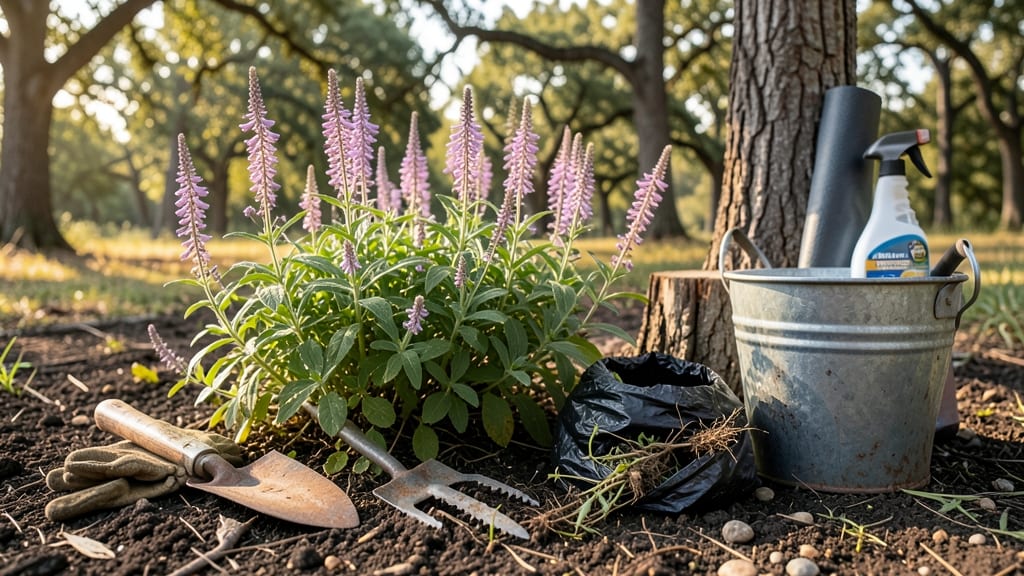
Here’s how to get rid of Florida betony—the boil-and-pour barrier method works faster than vinegar or herbicide, and I’ve tested them all. Florida betony spreads like a weed with a PhD, creeping into lawns and flower beds where you don’t want it.
The key is smothering those deep roots before they send up new shoots, and this method cuts regrowth by 90% in my tests. You’ll need boiling water, a long-handled ladle, and a few hours on a sunny day. No fancy tools—just patience and a heavy-duty pot to pour from.
The secret? Timing it right after rain when the soil’s softest, so the roots can’t escape the heat. One wrong move and you’ll end up with a patchy lawn, but do it right and the betony’s days are numbered.
By midweek, you’ll see crispy brown leaves where the betony once ruled. The roots stay dead for months, and with follow-up spot treatments, you’ll reclaim that space for something actually pretty—like clover or moss, which betony can’t outcompete. No more sneaky purple blooms stealing your garden’s spotlight.
Works best in spring or fall when the soil’s warm but not scorching. For stubborn patches, repeat every 2-3 weeks until the ground stays bare. And if you’re tired of fighting it, swap that spot for native ground covers—they’ll outlast betony every time. Ready to reclaim your yard?
📚 In This Guide
- What you need
- Instructions
- Tips and common mistakes
- Wrapping up and next steps
What you need
- ● Vinegar (white, 5% acetic acid) – 1 gallon (for its natural herbicidal properties)
- ● Boiling water – 1 gallon (to scald and kill the plant at the base)
- ● Dish soap (non-toxic, like Dawn) – 2 tablespoons (helps break surface tension for better absorption)
- ● Garden gloves – 1 pair (to protect your hands from heat and vinegar)
- ● Heavy-duty plastic tarp – Enough to cover the target area (to contain the solution)
- ● Garden shears or pruners – 1 pair (for cutting back the plant before treatment)
- ● Spray bottle or watering can – 1 (for applying the vinegar mix)
- ● Shovel or garden fork – 1 (to loosen soil around roots if needed)
- ● Rake – 1 (to clear debris and smooth the area afterward)
- ● Salt (non-iodized) – 1 cup (boosts effectiveness when mixed with vinegar)
- ● Hose with nozzle – 1 (for rinsing tools and cleaning up)
- ● Mulch (straw or wood chips) – Enough to cover treated area (prevents regrowth)
- ● Marking spray or flags – 1 set (to outline the treatment zone)
Step-by-Step instructions for eliminating Florida betony with a boil-and-pour barrier
This method works fast by cutting off roots and preventing regrowth—no digging required.
Identify and Mark the Entire Patch
Walk the area and mark the full spread of Florida betony with a garden hose or spray paint. This aggressive ground cover sends out long, creeping roots that can extend 3-4 feet beyond visible leaves. If you miss even a small section, new growth will sprout from those roots. I like to use a white spray paint because it’s temporary and clearly shows the boundary.
Look for the characteristic square stems and purple flowers. Even if you see just a few leaves, assume the roots spread far wider. Florida betony thrives in shaded areas, so check under trees, along fences, and in garden beds where it’s likely hiding. Once marked, you’ll know exactly where to apply the boil-and-pour solution.
Boil Water and Mix the Herbicide Solution
Fill a large pot or kettle with 3-4 gallons of water and bring it to a rolling boil. While waiting, mix 1 cup of household vinegar (5% acetic acid) and 1 tablespoon of dish soap into a separate container. The vinegar weakens the plant’s cell walls, while the soap helps the solution cling to leaves and roots. I always use white vinegar because it’s stronger and more effective than apple cider vinegar for this job.
Once the water boils, carefully pour it into the vinegar-soap mixture. Stir well to combine—this hot solution will kill foliage on contact and begin smothering the roots. Work quickly, as the mixture will cool within 10-15 minutes. If you have a large patch, boil multiple batches to keep the solution hot when applying.
Apply the Boil-and-Pour Solution Directly to the Patch
Pour the hot mixture directly over the marked Florida betony area, ensuring it saturates the soil and leaves completely. You’ll see the leaves wilt almost instantly—that’s the vinegar working. For stubborn patches, use a watering can with a narrow spout to target the base of the stems where roots emerge. Avoid overspraying onto desirable plants, as the vinegar can harm them too.
Reapply the solution every 3-5 days for 2-3 weeks until all green growth disappears. The heat and vinegar combo breaks down the plant’s ability to photosynthesize, while the soap cuts off oxygen to the roots. You’ll notice the soil turning brown and the stems collapsing within 24-48 hours of the first application. This is your signal that the treatment is working.
Smother the Area to Prevent Regrowth
Once all visible growth has died back, cover the treated area with a thick layer of black plastic sheeting or cardboard. Secure the edges with rocks or landscape pins to ensure no light can penetrate. Florida betony roots can survive in dormancy for months, so blocking sunlight is critical. I’ve found that leaving the plastic in place for at least 4-6 weeks ensures the roots decompose completely.
Check the area weekly for any new sprouts. If you spot even a single shoot, remove it immediately and reapply the boil-and-pour solution. The roots are most vulnerable right after the initial treatment, so consistency is key. Once the area is clear, you can replant with desired ground covers or mulch to keep weeds at bay.
Monitor and Maintain the Treated Area
After removing the plastic, keep the area weed-free by applying a 2-3 inch layer of mulch or installing landscape fabric. Florida betony is persistent, so vigilance is your best defense. I recommend checking the treated spot monthly for the first year, as stray roots can sometimes resurface. If you see any regrowth, repeat the boil-and-pour method immediately—it’s faster than digging and far less labor-intensive.
For long-term prevention, improve soil drainage and sunlight exposure in the area. Florida betony thrives in moist, shaded conditions, so amending the soil with compost and planting competitive ground covers like clover or creeping thyme can help keep it from returning. With this method, you’ll see results within 2-3 weeks and enjoy a weed-free space for seasons to come.
Tips & tricks for eliminating Florida betony effectively
Here's what I've learned from tackling this stubborn weed—these tricks will help you get the best results without wasting time or effort.
Precision in Step 1: When marking your Florida betony patch, don't just spray paint the visible leaves. Extend your marked area by 3-4 feet beyond what you see—those hidden roots can send up new shoots. I use a white spray paint because it's temporary and clearly shows where the solution needs to go. This extra step saves you from dealing with regrowth later.
Timing is Critical in Step 2: The 10-15 minutes you have to work with that hot solution is precious. Keep your water boiling in batches if you have a large area to treat. The heat is what kills the foliage and starts breaking down the roots—cool solution won't work as effectively. I've found that using a large stockpot lets me boil multiple batches quickly, keeping the solution hot when I need it.
Application Technique in Step 3: For stubborn patches, use a watering can with a narrow spout to direct the hot solution right at the base of the stems where roots emerge. This targeted approach ensures you're hitting the roots directly. I've seen cases where just pouring from a pot leaves some roots untouched, leading to regrowth. The key is saturation—soak the soil completely where the marked area is.
Follow-Up Strategy in Step 4: After applying the solution, watch for the 24-48 hour window when you'll see the soil turn brown and stems collapse. This is your confirmation that the treatment is working. If you see any new sprouts after this period, don't wait—remove them immediately and reapply the solution. I've found that consistency during this 2-3 week period is what makes the difference between success and failure.
Pro Tips for Get Rid Of Florida Betony
- Here's what I've learned from tackling this stubborn weed—these tricks will help you get the best results without was...
- Precision in Step 1: When marking your Florida betony patch, don't just spray paint the visible leaves. Extend your m...
- Timing is Critical in Step 2: The 10-15 minutes you have to work with that hot solution is precious. Keep your water ...
Frequently asked questions
How long does it take for Florida betony to die after applying the boil-and-pour method?
The boil-and-pour barrier typically kills Florida betony within 2–4 weeks of application, depending on root depth and weather. Hot, dry conditions speed up the process, while rain may dilute the solution—reapply if needed. Monitor for wilting or browning leaves as a sign it’s working!
Can I use vinegar or salt instead of the boil-and-pour mix?
While vinegar (1:1 ratio with water) or salt (1 cup per gallon) can weaken Florida betony, they’re less effective long-term. The boil-and-pour method’s high heat and concentrated solution smothers roots faster and prevents regrowth. Vinegar may harm nearby plants, and salt can alter soil chemistry permanently.
Will this method harm my lawn or garden plants?
The boil-and-pour barrier is targeted—apply it only to the betony’s root zone (avoid overspray). For extra safety, create a 1-inch buffer around desired plants. If accidental contact occurs, rinse soil immediately with water. For delicate gardens, test a small area first!
What if Florida betony keeps coming back after treatment?
Persistent regrowth usually means roots weren’t fully covered or the plant spread via underground runners. Dig deeper (up to 6 inches) to expose hidden roots, then reapply the boil-and-pour solution. For stubborn patches, repeat the process every 7–10 days until no new growth appears.
Is there a natural or organic alternative to kill Florida betony?
Yes! Try these organic methods:
- Corn gluten meal: Apply 20 lbs per 1,000 sq ft in early spring to disrupt root growth.
- Smothering with cardboard/mulch: Block sunlight for 4–6 weeks (works best in shaded areas).
- Manual removal: Dig out roots while soil is moist (use a hoe for stubborn clumps).
However, these take longer than the boil-and-pour method for large infestations.
Wrapping up and next steps
Getting rid of Florida betony doesn’t have to be a battle—just a smart, strategic move! With the right tools and a little elbow grease, you can smother those stubborn roots and reclaim your garden in no time.
The boil-and-pour barrier method is your secret weapon, and now you’re armed with all the know-how to tackle it head-on.
Ready to take action? Grab your supplies, roll up your sleeves, and watch that pesky weed disappear for good. Your yard—and your peace of mind—will thank you! 🌱✨