
Pests
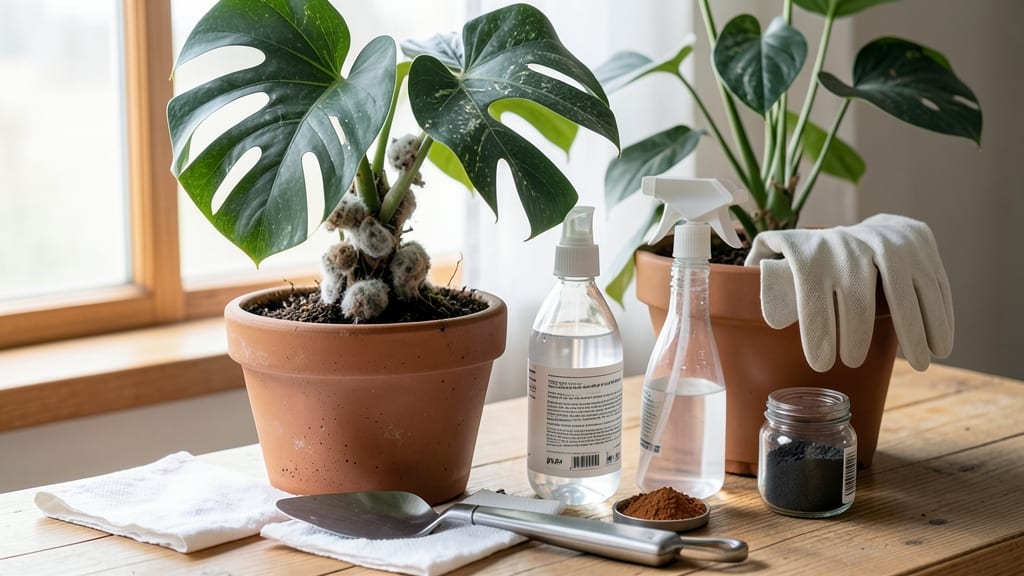
How to get rid of those mushrooms in your houseplants—before they take over for good. 🌱 That’s your plant screaming for help, and it’s easier to fix than you think. I’ve pulled these strange fungi from my own collection more times than I’d like to admit, and the solution isn’t complicated: it’s about drying out the soil, cleaning up the mess, and giving your plant’s roots a fighting chance.
The problem starts with overwatering or poor drainage, turning your soil into a fungal buffet. These mushrooms aren’t harmful to humans, but they’re a clear sign your plant’s roots are suffocating.
The good news? You can reverse it in three simple steps—no harsh chemicals needed—by focusing on airflow, fresh soil, and a stricter watering schedule.
Within a week, you’ll see those weird growths disappear, and your plant will start looking vibrant and healthy again. The key is acting fast—before the fungus spreads to the roots. Trust me, your houseplants will thank you with lush new growth and fewer surprise guests in their pots.
This method works for any houseplant with fungal issues, whether it’s your fern, fiddle-leaf fig, or even that stubborn snake plant. Let’s get your soil back to a fungus-free, thriving state—without losing your plants in the process.
Root Causes of Fungal Growth
Mushrooms sprouting in your houseplants aren’t just a weird sight—they’re a sign that something’s off in your plant’s environment. These fungi thrive when conditions align perfectly for their growth, often at the expense of your beloved greenery.
Let’s break down the key triggers behind this unsightly (and potentially harmful) issue, so you can address the problem at its source.
Fungi like mushrooms need moisture to survive, and overwatering is their favorite invitation. When soil stays soggy for too long, it creates the perfect breeding ground for fungal spores. Here’s why:
- Lack of oxygen: Waterlogged soil pushes oxygen out, creating anaerobic conditions where fungi (which are aerobic) can’t compete—but mushrooms and other fungi love this environment.
- Nutrient buildup: Decaying organic matter (like dead roots or old mulch) releases sugars and nutrients that fungi feast on, accelerating their growth.
- Slow drainage: If your pot lacks drainage holes or the soil is compacted, water pools at the bottom, turning the root zone into a fungal hotspot.
Pro tip: 🌡️ Stick your finger in the soil—if the top 2 inches are damp, wait before watering again. If it’s consistently wet, it’s time to repot with a faster-draining mix.
Fungi spread via spores carried by air, and stagnant air traps these spores near your plants. Without proper airflow:
- Humidity spikes: Poor ventilation leads to high humidity around the plant, which fungi need to germinate and grow.
- Spores linger: In still air, fungal spores settle on soil and plant surfaces instead of dispersing, increasing the chance of infection.
- Heat buildup: Crowded plants or enclosed spaces (like terrariums without ventilation) create warm, moist microclimates—ideal for fungal growth.
Pro tip: ✨ Use a small fan on low speed near your plants to improve airflow, or rearrange them to avoid clustering. If using a humidifier, pair it with a dehumidifier or open windows regularly.
Mushrooms are essentially the fruit bodies of fungi that grow from hidden mycelium networks feeding on decomposing material. Common sources in houseplants include:
| Source | Why It Happens |
|---|---|
| Old mulch or compost | Partially decomposed organic matter releases sugars that fuel fungal growth. |
| Dead roots or leaves | Decaying plant tissue provides a food source for fungi, especially in compacted or waterlogged soil. |
| Over-fertilized soil | Excess nutrients (like nitrogen) create a rich environment for fungi to thrive. |
Pro tip: 🔪 Remove any dead leaves, roots, or debris from the soil surface. Replace old potting mix every 1–2 years to prevent nutrient buildup.
Healthy plants can resist fungal invasions, but stress makes them vulnerable. Common stressors that invite mushrooms include:
- Nutrient deficiencies: Plants low in nitrogen or phosphorus struggle to maintain strong root systems, leaving gaps for fungi to exploit.
- Pest damage: Insects like aphids or spider mites create wounds that serve as entry points for fungal spores.
- Sudden environmental changes: Moving plants between high-humidity and dry conditions shocks their systems, weakening defenses.
Pro tip: 💪 Strengthen your plant’s immunity with balanced fertilizers (like a 10-10-10 NPK ratio) and neem oil sprays to deter pests. Avoid drastic temperature or light shifts.
Now that you know why mushrooms crash your plant party, the next step is to fix the conditions causing them. The good news? Most of these fixes are simple—just adjust your watering, airflow, and soil habits!
How to Fix Fungal Overgrowth in Potted Plants
Now that you know the root causes—from overwatering to poor drainage—let’s tackle those mushrooms in your houseplants for good. The key is acting fast, targeting the fungus directly, and adjusting your care routine to prevent a comeback.
Below, we’ve mapped out practical, step-by-step solutions tailored to each common cause, plus pro tips to keep your plants thriving.
Problem: Too much moisture creates the perfect damp, dark environment for mushrooms to sprout like weeds.
Fix It:
- 🔥 Remove the Plant Immediately
- Gently take the plant out of its pot and shake off excess soil to expose the roots. If mushrooms are clinging to roots, use a soft brush or paper towel to wipe them away (wear gloves!).
- 👨🍳 Trim the Damage
- Snip off any yellowed, mushy leaves or stems with sterilized scissors (wipe with rubbing alcohol first). Healthy green leaves can recover, but fungus-infected parts won’t.
- 🥘 Air Dry the Roots
- Lay the plant on a clean towel or newspaper in a well-ventilated spot (like a sunny windowsill or fan area) for 24–48 hours. This lets excess moisture evaporate and prevents further fungal growth.
- ⏰ Repot with Fresh Soil
- Once roots look firm and white (not slimy or black), repot in a clean container with sterilized potting mix (see prevention tips below). Avoid compacted soil—opt for well-draining mixes like cactus/succulent blends or add perlite/pumice.
- 💡 Prevention:
- Water only when the top 1–2 inches of soil are dry (stick your finger in to check!).
- Use pots with drainage holes and saucers that don’t trap water.
- Consider a moisture meter for peace of mind—no more guesswork!
Problem: Stagnant water in pots or trays turns soil into a fungal buffet.
Fix It:
- 🔪 Drainage Audit
- If your pot lacks holes, drill them (ceramic pots) or switch to a terracotta or plastic pot with drainage. No excuses—fungus hates airflow!
- 🍳 Rinse the Pot
- Scrub the inside of the pot with a 1:10 bleach-water solution (or hydrogen peroxide) to kill lingering spores. Rinse thoroughly.
- 🥘 Elevate and Improve Soil
- Place pots on feet or pebbles to keep them off saucers filled with standing water.
- Mix perlite, orchid bark, or coconut coir into your soil (20–30%) to boost drainage.
- 💡 Prevention:
- Empty saucers after watering—never let plants sit in saucer water.
- Try the "soak and dry" method: Water thoroughly, then let the plant drain completely before watering again.
Problem: Dead leaves, mulch, or compost in soil feed fungal growth like a fast-food drive-thru.
Fix It:
- 🔥 Scoop Out the Trash
- Remove all dead leaves, mulch, or compost from the soil surface. Use a spoon or your fingers to dig out mushroom stems at the base—they’ll regrow if left behind!
- 👨🍳 Fungal Spray Treatment - Mix 1 tsp baking soda + 1 tsp neem oil + 1 tsp dish soap in 1 quart of water. Spray the soil (avoid leaves) and let it dry.
Repeat every 3–4 days for 2 weeks. - Alternative: Hydrogen peroxide (3%)—spray lightly on soil to kill spores without harming plants.
- 🥘 Sterilize the Soil
- If mushrooms keep returning, replace the top 2–3 inches of soil with fresh, sterilized mix (bake soil in the oven at 200°F for 30 mins to kill fungi).
- 💡 Prevention:
- Remove dead leaves promptly—they’re fungus magnets.
- Avoid over-mulching—stick to a thin layer (if any) of bark or gravel.
- Rotate plants every few months to improve airflow around the base.
Problem: Bathrooms, kitchens, or closed rooms with high humidity turn soil into a fungal paradise.
Fix It:
- ✨ Increase Airflow
- Move plants to brighter, drier spots (like near a window with indirect light).
- Use a small fan on low setting to circulate air around the plant.
- 🍳 Reduce Humidity
- Run a dehumidifier near the plant or place a silica gel packet in the pot’s saucer.
- Open windows or use exhaust fans to lower room humidity below 50%.
- 🥘 Adjust Watering
- In humid conditions, water less frequently—let soil dry out more between waterings.
- 💡 Prevention:
- Group plants together to create a microclimate with balanced humidity.
- Avoid misting leaves—water at the base only and use room-temperature water.
If mushrooms are spreading rapidly or your plant is severely weakened: 1. 🔥 Nuclear Option: Replant from Scratch - Snip off all remaining leaves, rinse roots in hydrogen peroxide (3%), and repot in 100% fresh, sterilized soil.
- 💊 Fungicide Last Resort - Use a copper-based fungicide (like Copper Soap) as a last resort—follow label instructions carefully.
Final Pro Tip: 🌱 Monitor and Maintain After treating your plant, check soil moisture weekly and inspect the base for new mushrooms. Fungal spores are sneaky—catch them early before they throw a party in your pot!
With these fixes, your houseplants will be fungus-free in no time—and you’ll be the hero of your indoor jungle. 🌿✨
Frequently asked questions
Are mushrooms in houseplants dangerous to my plant?
While these fungi aren't toxic to humans, they can seriously harm your plant by competing for nutrients and oxygen. The mushrooms themselves are just the "fruit" of the fungus—what you can't see are the hidden mycelium networks stealing resources from your plant's roots. Left unchecked, they can weaken your plant, cause root rot, and even kill it by blocking airflow to the roots.
Can I just leave the mushrooms and hope they go away?
Not a good idea! Mushrooms indicate your soil is too wet and fungus is actively growing. If you ignore them, the problem will only get worse—more mushrooms will appear, and the fungus will spread to your plant's roots. The mushrooms themselves won't disappear on their own; you need to address the moisture issue and remove the fungal source to prevent further damage.
What's the fastest way to stop mushrooms from coming back?
Combine these three immediate actions:
- Remove all visible mushrooms and dead plant matter from the soil,
- Let the soil dry out completely for at least 48 hours, and
- Repot with fresh, sterile soil that has perlite or sand mixed in for better drainage. This three-step approach cuts off the fungus's food and water supply, giving your plant a fighting chance within a week.
Will my other houseplants get infected too?
There's a risk, especially if they're nearby. Fungal spores spread easily through the air and water. To protect your other plants, quarantine the infected one immediately, clean your tools with rubbing alcohol, and avoid watering from the top (which can splash spores). Check all nearby plants for early signs of fungal growth and treat them preventively with a baking soda solution if needed.
Can I use hydrogen peroxide to treat mushroom fungus?
Yes! A 3% hydrogen peroxide solution is one of the safest and most effective treatments. Mix equal parts water and 3% hydrogen peroxide, then lightly spray the soil surface (avoid leaves). Repeat every 3-4 days for two weeks. The oxygen bubbles help kill fungal spores while being harmless to your plants. Just