
Size
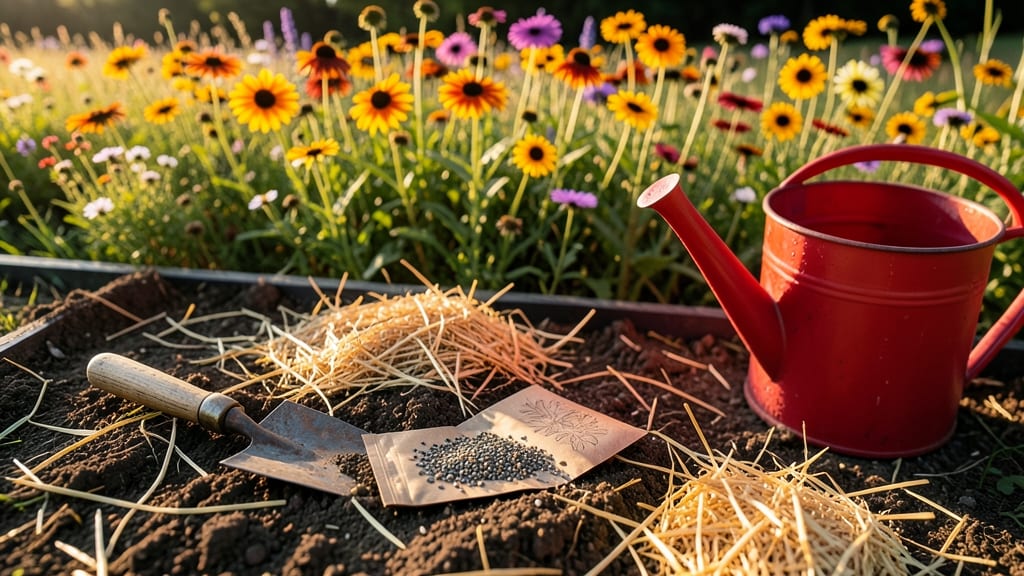
How to grow a wildflower patch in your yard could turn it into a buzzing pollinator paradise with just a few hours of work. ✨ I’ve turned my sunniest corner into a wildflower patch that blooms from spring to frost—and it requires less effort than mowing. The key is letting nature do most of the heavy lifting once you get started.
Start with a patch at least 3 feet by 3 feet (bigger is better, but even small spaces work). Clear weeds, loosen the soil, and mix in a handful of compost—no fancy amendments needed.
Then scatter native wildflower seeds (like black-eyed Susans or purple coneflowers) and lightly rake them in. Water gently for the first two weeks, and that’s it—no digging, no fuss.
By late summer, you’ll have a vibrant, low-maintenance display that hummingbirds and butterflies can’t resist. The flowers self-seed year after year, so the color keeps coming back with almost no work. Even my neighbor’s skeptical dog stopped barking at it after the first season.
Best of all, this works in partial shade or full sun, and you can adjust the mix to suit your climate. Whether you’re a busy homeowner or a beginner gardener, this patch will outperform any manicured lawn. Let’s get those seeds in the ground!
📚 In This Guide
- What you need
- Instructions
- Tips and common mistakes
- Wrapping up and next steps
What you need
- ● Wildflower seeds: Choose native or drought-tolerant varieties (e.g., black-eyed Susans, coneflowers, or milkweed). Quantity: 1–2 lbs per 100 sq ft (adjust based on desired density).
- ● Soil: Loose, well-draining topsoil (amend with compost if your soil is heavy or clay-like). Quantity: Enough to cover 2–3 inches of your patch area.
- ● Water source: Hose, sprinkler, or drip irrigation system (wildflowers need consistent moisture during germination).
- ● Sunlight access: A sunny spot (6+ hours of direct sunlight daily) for most wildflowers.
- ○ Optional starter fertilizer: Low-phosphorus, high-potassium fertilizer (e.g., 5-10-10) to boost early growth (follow package rates).
- ● Garden tools: Rake (for leveling soil)
- ● Hoe or garden fork (to loosen soil)
- ● Garden gloves (to protect your hands)
- ○ Markers/stakes: Optional but helpful for outlining your patch or marking seed rows.
- ○ Mulch or straw: Light layer (¼ inch) to retain moisture and suppress weeds (optional for established patches).
- ● Wildflower seed mix: Pre-mixed blends save time if you want variety without research!
- ● 🌡️ Timing: Plant seeds in early spring (after last frost) or late summer/fall for best germination.
- ● 🎯 Soil test: Check pH (most wildflowers thrive in slightly acidic to neutral soil, 6.0–7.0).
- ● 🚫 Avoid: Synthetic pesticides—wildflowers attract pollinators!
Step-by-step instructions for creating a thriving wildflower meadow
Here’s how to transform a patch of land into a vibrant, low-maintenance wildflower haven that blooms from spring through fall.
🪴 Step 1: Choose the Right Location and Clear the Area
Pick a sunny spot—most wildflowers need at least 6 hours of direct sunlight daily. Avoid low-lying areas where water pools, as soggy soil will drown seeds. I like to test drainage by digging a 6-inch deep hole, filling it with water, and watching how quickly it drains. If it takes longer than an hour, amend the soil with 2-3 inches of coarse sand or compost to improve drainage.
Clear existing vegetation by mowing or hand-pulling weeds, then rake away debris. The goal is bare soil, but don’t till—wildflowers thrive in undisturbed ground. If your patch has grass, smother it with cardboard or thick layers of newspaper for a month to kill it naturally before planting.
🌱 Step 2: Prepare the Soil for Wildflower Success
Wildflowers adapt to poor soil, but a little prep ensures better germination. Loosen the top 2-3 inches of soil with a rake or broadfork—just enough to create a seedbed without compacting it. Avoid heavy fertilization; wildflowers prefer lean, natural conditions. If your soil is clay-heavy, mix in 1-2 inches of compost to improve structure, but don’t overdo it.
For best results, test your soil’s pH—most wildflowers prefer slightly acidic to neutral (6.0-7.0). If your soil is too alkaline, add sulfur or peat moss to lower the pH gradually. Once prepped, let the soil settle for a day or two before sowing to avoid disturbing seeds.
💧 Step 3: Sow Seeds at the Right Time and Depth
Spring or early fall are ideal for sowing wildflower seeds. Scatter them evenly over the prepared soil—don’t bury them deeply. Most wildflower seeds need light to germinate, so press them into the soil with a rake or your hand until they’re just covered. For larger patches, divide the area into sections and sow one at a time to avoid overlapping.
Lightly water the area until the soil is moist but not soggy. Avoid heavy watering, which can wash seeds away. Instead, use a fine mist or water early in the morning so moisture has time to soak in. You’ll see the first sprouts in 2-6 weeks, depending on the seed mix and weather.
☀️ Step 4: Maintain with Minimal Effort
Once established, wildflowers need very little care. Water deeply once a week during the first growing season to help roots develop, then taper off as plants mature. Mature meadows often go months without water—they’re built to thrive on natural rainfall. The key is letting them grow naturally without mowing until after the first frost.
When flowers fade, resist the urge to clean up. Let seed heads dry and scatter naturally to encourage new growth. In late fall or early winter, mow the area back to 2-3 inches to remove dead foliage but leave some stems for overwintering insects. This simple step keeps your patch looking tidy while supporting pollinators.
⏰ Step 5: Enjoy and Expand Year After Year
Your wildflower patch will peak in beauty after 2-3 years, as perennial varieties establish and spread. Once mature, you’ll have season-long color with minimal effort. To keep it vibrant, add a few new wildflower seeds every 2-3 years to replenish annuals and fill gaps. Over time, your meadow will become a self-sustaining ecosystem teeming with life.
Watch for pollinators like bees, butterflies, and hummingbirds—they’ll visit in droves. If you notice weeds taking over, spot-treat with a natural weed killer or pull them by hand before they seed. With patience, your patch will become a cherished corner of your landscape that requires almost no upkeep.
Tips & tricks for perfect wildflower meadows
These simple secrets will help you create a thriving wildflower patch that blooms beautifully year after year.
Location is Everything: I can't stress enough how critical that 6 hours of sunlight is—this is non-negotiable for most wildflower varieties. If your spot gets less, consider shade-tolerant species like black-eyed Susans or coreopsis, which handle partial shade better. Real talk: I've seen patches in full sun thrive dramatically compared to those in dappled light.
Soil Prep Shortcut: Instead of testing pH with a kit, do the vinegar test for alkalinity: Sprinkle vinegar on damp soil. If it fizzes, your soil is alkaline and needs sulfur. For clay-heavy soil, I've found mixing in 1-2 inches of compost makes all the difference—it improves drainage while keeping that natural, lean quality wildflowers love. Don't skip this step if your soil feels compacted.
Timing Secret for Germination: Those 2-6 weeks for sprouts can feel like forever, but here's what nobody tells you—germination speeds up in warm soil (60-70°F). If your spring is cool, try sowing in late April or early May instead of March. I've seen germination cut in half by waiting for warmer temperatures. And watering in the morning is key—it prevents evaporation and gives seeds consistent moisture.
Maintenance Hack: The 2-3 inch mow in late fall isn't just about looks—it protects overwintering insects and prevents soil compaction. I use a string trimmer for edges and let the clippings stay—they add organic matter as they decompose. This one step makes a huge difference in how quickly your meadow establishes.
Pro Tips for Grow A Wildflower Patch
- These simple secrets will help you create a thriving wildflower patch that blooms beautifully year after year.
- Location is Everything: I can't stress enough how critical that 6 hours of sunlight is—this is non-negotiable for mos...
- Soil Prep Shortcut: Instead of testing pH with a kit, do the vinegar test for alkalinity: Sprinkle vinegar on damp so...
Frequently asked questions
Got questions about creating your dream wildflower patch?
Here are answers to the most common ones—so you can dive in with confidence!
When is the best time to plant wildflower seeds?
The ideal window is late summer to early fall (August–October) for spring blooms, or early spring (March–April) for summer flowers. This lets seeds establish roots before harsh weather. If planting in spring, lightly scratch seeds into soil and keep moist until germination.
Will wildflowers spread and take over my yard?
Most native wildflowers are well-behaved and won’t invade lawns or gardens aggressively. However, some (like clover or Queen Anne’s lace) may spread. To control growth, mow high (3–4 inches) in late summer or hand-pull unwanted volunteers. Choose low-spreading varieties if you’re concerned!
How much water do wildflowers need once established?
Once rooted (after 2–3 weeks), wildflowers are drought-tolerant! Water deeply once a week during dry spells for the first year, then let nature take over. Overwatering can suffocate seeds—aim for 1–1.5 inches of rain or water per week.
Will wildflowers attract pests like ticks or mosquitoes?
Native wildflowers support pollinators (bees, butterflies) but don’t attract pests more than other plants. Mosquitoes need standing water—keep your patch dry! Ticks thrive in tall grass, so mow paths occasionally and avoid leaf litter buildup.
Can I grow wildflowers in containers or small spaces?
Use shallow trays, window boxes, or vertical planters for balcony gardens. Choose compact varieties like lobelia, sweet alyssum, or dwarf coneflowers. Ensure containers have drainage holes and mix seeds with light potting soil for best results.
What if my wildflowers don’t grow?
Common issues include poor soil contact (press seeds lightly into soil) or drought (water gently daily until sprouts appear). Try stratifying seeds (chilling in a damp paper towel for 4–6 weeks) if germination is slow. If all else fails, test soil pH—wildflowers thrive in slightly acidic to neutral (6.0–7.0) conditions.
Wrapping up and next steps
Growing a wildflower patch is a rewarding way to bring beauty, biodiversity, and peace to your outdoor space—with minimal effort! Whether you’re a seasoned gardener or a beginner, the key is choosing the right seeds, preparing your soil, and letting nature do the rest. 🌸
Now that you’ve got the tools and tips, take the first step today—sketch out your patch, gather your supplies, and start planting! Soon, you’ll be enjoying a vibrant, low-maintenance haven that supports pollinators and brings joy year after year.