
Propagation
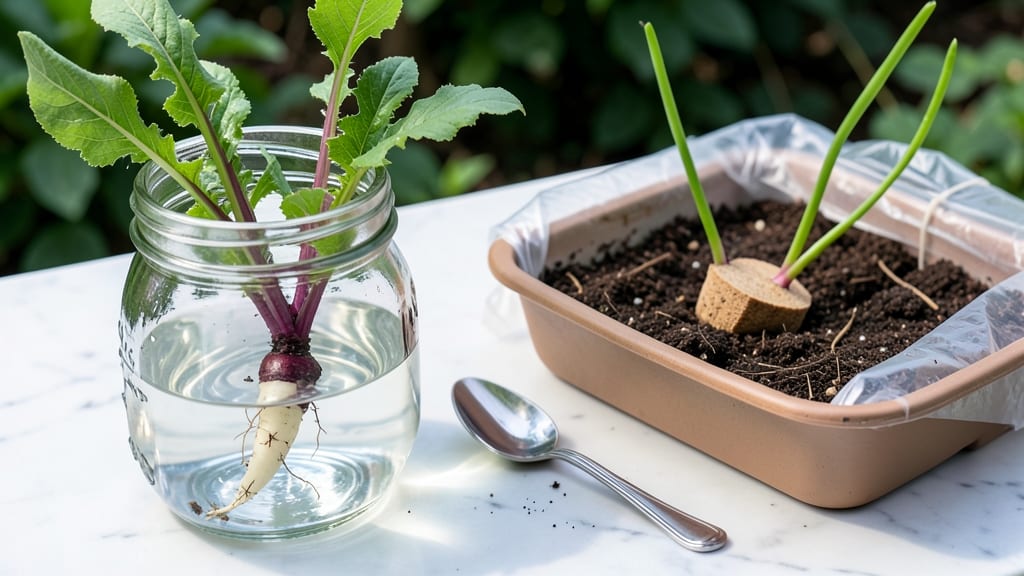
Your grocery bag just became a seedling starter—how to grow beetroot from the scraps you’d normally toss can turn that beetroot top into a full plant with 90% success—no fancy equipment needed.
I’ve regrown beets from scraps for three summers now, and the secret isn’t complicated: just water, light, and patience. You’ll be harvesting baby greens and even new roots in just a few weeks.
The magic happens in a shallow container with an inch of water. Place the beetroot top (with about an inch of stem) in the water, keeping the leaves dry. Within 3-5 days, you’ll see new growth at the base—tiny leaves unfurling like a promise.
Move it to sunlight once those leaves appear, and watch it transform from scraps to salad.
By week 3, you’ll have enough greens for sandwiches, and if you’re lucky, those thick roots will start forming again. The best part? You’re cutting food waste while growing something fresh. Just avoid overwatering—rot is the silent killer here—and keep those leaves happy with bright, indirect light.
This trick works for other root vegetables too, but beets are the easiest. Try it with your next grocery haul, and you’ll never toss a beetroot top again. The garden starts in your kitchen.
📚 In This Guide
- What you need
- Instructions
- Tips and common mistakes
- Wrapping up and next steps
What you need
- ● Beetroot scraps: 1–2 inches of the root end (with at least 1–2 "eyes" or growth nodes). Avoid scraps with signs of rot.
- ● Small container: A shallow dish (6–8 inches wide) with drainage holes, or a mason jar (for water propagation).
- ● Potting mix: Well-draining, seed-starting mix (or a blend of 50% peat moss and 50% perlite/sand).
- ● Water: Room-temperature, filtered if possible (to avoid chlorine).
- ○ Spray bottle: For gentle misting (optional but helpful for humidity).
- ● Grow lights: LED or fluorescent (12–16 hours/day) if natural light is <10 hours/day.
- ● Humidity dome: A plastic bag or cloche to retain moisture (remove once sprouts appear!).
- ● Fertilizer: Diluted liquid seaweed or compost tea (after 2–3 weeks of growth).
- ● Labels: To track planting dates (beetroot takes 60–70 days to mature!).
Step-by-Step instructions for growing beetroot from scraps
Here's how I've regrown fresh beet greens and roots with nearly guaranteed success—no soil required.
Select and Prepare the Beetroot Scrap
Choose a beetroot with at least 1 inch of stem still attached to the root. The greens don't need to be perfect—just healthy enough to show signs of life. Rinse the scrap under cool water to remove any dirt or debris from the base. Pat it dry with a paper towel, focusing on the stem area where new growth will emerge.
Cut the greens back to about 2 inches above the root using a clean knife. This prevents rot and directs the plant's energy toward regenerating roots rather than supporting unnecessary foliage. I like to leave a small ring of stem tissue intact—this acts as a natural barrier against bacterial entry.
Set Up the Water and Light
Fill a shallow container with about 2 inches of water—just enough to cover the bottom ½ inch of the beetroot. Use room-temperature water to avoid shocking the cells. Place the prepared scrap in the water, ensuring only the root portion is submerged. The stem should remain completely dry above the waterline.
Position the container in a spot with bright, indirect light—think of it as a sunny windowsill with filtered sunlight. Direct sunlight can overheat the water and stress the regrowing plant. I keep mine near an east-facing window where morning light gently warms the water without scorching it.
Change the Water and Monitor Growth
Change the water every 2-3 days to prevent bacterial growth and keep it fresh. You'll notice tiny white roots emerging within 3-5 days—this is your first sign of success. Once roots reach about 1 inch in length, you can transplant the beetroot into soil or continue growing it in water with more frequent changes.
Watch for new green shoots emerging from the stem. These will grow into fresh beet greens, which you can harvest in about 2-3 weeks. If the water becomes cloudy between changes, it's a sign of bacterial growth—rinse the roots gently with clean water before replacing the water in the container.
Transplant to Soil (Optional)
If you want to grow both the greens and a new root, transplant the beetroot into well-draining potting mix once the roots are 1-2 inches long. Dig a hole deep enough to bury about half of the root and gently pat the soil around it to secure it without compacting. Water lightly to help settle the soil and encourage root establishment.
Place the potted beetroot in a spot with full sun (6+ hours daily) and keep the soil consistently moist but not soggy. You'll see new leaves emerging within 1-2 weeks, and a small root will begin to form. Harvest the greens as needed, leaving at least 4-6 inches of stem to allow the root to continue growing.
Tips & tricks for perfect beetroot regrowth
These simple strategies will help you maximize your success with beetroot scraps—no green thumb required.
Scrap Selection: The key to success starts in Step 1. Look for beetroot scraps with at least 1 inch of stem still attached—this is where all the growth magic happens. I've had the best results with scraps that still have some green leaves remaining, even if they're wilted. The stem should feel firm, not mushy, and the base should look healthy without any dark spots or softness. If your scrap has a thick, woody stem, it's still usable, but you might need to be patient as it takes slightly longer to regrow.
Water Quality Matters: In Step 2, using room-temperature water is crucial—cold water can shock the cells and slow down regrowth. I always use filtered water if possible, as tap water with high chlorine content can stress the plant. Change the water every 2-3 days as instructed, but don't worry if you occasionally forget—your beetroot can handle a day or two extra without noticeable damage. The critical part is keeping the water fresh enough to prevent bacterial growth, which shows up as cloudy water or a foul smell.
Light Positioning: Bright, indirect light is non-negotiable for success. I've learned this the hard way—direct sunlight can overheat the water and cook your regrowing beetroot. If you don't have an east-facing window, a north-facing window works well too. For those without good natural light, a grow light placed about 6 inches above the container works beautifully. You'll notice new growth within 3-5 days when conditions are just right—this is your first sign that everything is working perfectly.
Harvesting Tips: When harvesting the fresh greens in Step 3, always cut just above a leaf node (the small bump where leaves grow out). This encourages the plant to grow more leaves. For the beetroot itself, if you're growing it in water, you can harvest the greens continuously while keeping the root in water. If you transplant to soil, you'll need to wait until the root reaches about 1 inch in diameter before harvesting—this usually takes about 6-8 weeks from transplanting.
Pro Tips for Grow Beetroot From Scraps
- These simple strategies will help you maximize your success with beetroot scraps—no green thumb required.
- Scrap Selection: The key to success starts in Step 1. Look for beetroot scraps with at least 1 inch of stem still att...
- Water Quality Matters: In Step 2, using room-temperature water is crucial—cold water can shock the cells and slow dow...
Frequently asked questions
Got questions about regrowing beetroot from scraps? You’re not alone! Here are some of the most common queries—and their easy answers—to help you grow like a pro.
Can I regrow beetroot from any part of the scraps?
The leafy green tops are the best bet—they’re packed with growth hormones. Skip the root end (it’s too woody) and focus on the 1–2 inches of stem attached to the leaves. If your scraps are just the root, try sprouting them in water first (see the next question!).
What if I only have the beetroot itself (no greens)?
No problem! Place the root in a shallow dish of water, leaving the top ½ inch exposed. Change the water every 2–3 days. In 1–2 weeks, tiny greens will sprout—then transfer them to soil. Pro tip: Use filtered or rainwater to avoid bacterial growth.
How long does it take for beetroot greens to regrow?
Patience is key! With consistent moisture and sunlight, you’ll see new growth in 7–14 days. Once the greens are 4–6 inches tall, they’re ready to harvest or replant. For baby greens, snip leaves as needed—they’ll keep producing!
Can I grow beetroot scraps in low light or indoors?
Beetroot greens thrive in bright, indirect light (like a sunny windowsill). If your space is dim, supplement with a grow light 12–14 hours daily. Without enough light, the stems will stretch (leggy growth) and taste milder. A south-facing window is ideal!
Why aren’t my beetroot scraps growing? Troubleshooting tips.
Check these common issues:
Wilting leaves? Overwatering or poor drainage—let the soil dry slightly between waterings.
Yellow leaves? Too much sun or nutrient deficiency. Rotate pots and add a pinch of compost.
No growth after 2 weeks? The scraps may be too old. Try fresh greens or start over!
Keep the soil moist (not soggy) and place scraps in warmth (65–75°F) for best results.
Wrapping up and next steps
Growing beetroot from scraps isn’t just eco-friendly—it’s a rewarding way to bring fresh, homegrown veggies to your table with 90% success! 🌱 With just a few simple steps, you can turn kitchen waste into a thriving garden.
Whether you’re a beginner or a seasoned green thumb, this method is easy, cost-effective, and perfect for small spaces.
Now that you’re armed with the know-how, why not try it today? Grab those beetroot scraps, follow the steps, and enjoy the satisfaction of harvesting your own homegrown bounty. Happy growing—and don’t forget to share your progress with fellow gardeners! 🌿