
Propagation
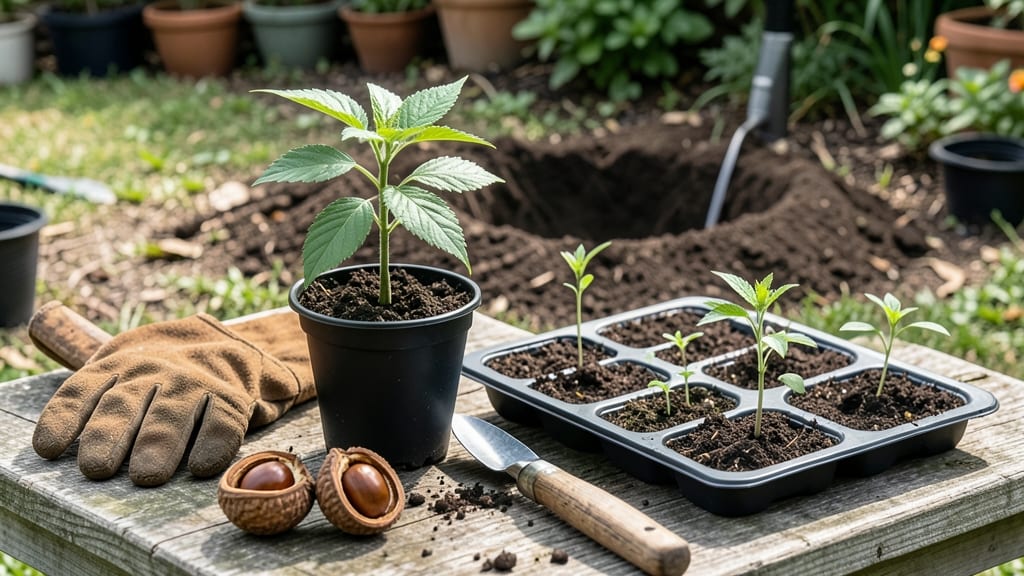
How to grow hickory trees from seed takes patience—but the payoff is worth it. 🌱 These hardwood giants start with a stubborn little nut that refuses to sprout overnight. I’ve cracked the code after years of trial and error, and now my backyard has saplings that’ll one day provide shade for generations. The secret lies in mimicking nature’s slow germination process. Most people give up after a few months, but with the right moisture, temperature, and timing, those seeds will finally crack open. You’ll need a mix of sand, peat, and patience—think of it as a long-term investment in your landscape. By year three, you’ll see real growth: sturdy stems reaching toward the sun, roots diving deep. These aren’t just trees; they’re heirlooms that’ll outlive you. The best part? They thrive in full sun and handle drought once established—perfect for low-maintenance forest edges. Works in zones 4-9, though southern climates speed up the process. Here’s how to turn that stubborn seed into a future giant.
📚 In This Guide
- What you need
- Instructions
- Tips and common mistakes
- Wrapping up and next steps
What you need
- ● Hickory seeds: Fresh, mature nuts (preferably from Carya species like shagbark or pecan hickory). Aim for 10–20 seeds to account for slow germination.
- ● Stratification supplies: Moist peat moss or coconut coir (2–3 cups)
- ● Plastic ziplock bags (2–4, with breathable holes or a mesh bag)
- ● Refrigerator or cold frame (to maintain 35–40°F for 60–90 days)
- ● Planting containers: 6–8 small pots (4–6 inches deep) with drainage holes
- ● Seed-starting mix (sterile, well-draining blend)
- ● Grow lights or sunny windowsill: 6+ hours of light daily (south-facing window or LED grow lights).
- ● Watering can or spray bottle: With a fine mist nozzle for gentle hydration.
- ● Trowel or small shovel: For transplanting seedlings.
- ○ Heat mat: (Optional) Speeds up germination if placed under pots (70–75°F).
- ● Humidity dome or plastic wrap: Keeps soil moist during early stages.
- ● pH test kit: Ensures soil pH is 6.0–7.0 (hickories prefer slightly acidic to neutral).
- ● Fertilizer: Balanced 10-10-10 or compost tea (once seedlings sprout).
- ● Label markers: To track seed varieties and planting dates!
Step-by-step instructions for growing hickory trees from seed
Here's how to break through hickory's tough germination barrier and grow strong, forest-worthy saplings.
🌱 Step 1: Harvest and Prepare the Seeds Properly
Collect hickory nuts in late fall when they've fallen naturally—they won't germinate fresh from the tree. Remove the outer husk and crack open the hard shell to reveal the seed inside. I soak the seeds in warm water for 24 hours first, which softens the tough outer coat and kickstarts the germination process.
After soaking, place the seeds between layers of damp paper towels in a sealed plastic bag. Store them in a cool, dark place at 35-40°F for 3-6 months. This cold stratification mimics winter conditions and breaks the seed's natural dormancy. Check the towels weekly—they should stay consistently moist but not soggy.
🌱 Step 2: Plant Stratified Seeds in Containers
Fill 4-inch deep containers with a mix of 50% potting soil and 50% perlite—this ensures excellent drainage while retaining moisture. Plant each seed 1 inch deep, spacing them 2 inches apart in the container. I use individual pots for each seed because hickories hate being transplanted later.
Water gently until moisture reaches the bottom of the container, then place the pots in a shaded area with indirect light. Keep the soil consistently moist but never waterlogged—hickory seeds rot quickly if overwatered. You'll know the moisture is right when the top inch feels damp but not wet to the touch.
⏰ Step 3: Monitor for Germination and Provide Care
Germination can take 4-12 weeks—patience is key with hickories. Once you see the first true leaves (not the initial seed leaves), move the seedlings to a location with bright, indirect light. I use a grow light on a timer for 12 hours daily to ensure consistent growth without scorching the tender leaves.
Fertilize lightly with a balanced 10-10-10 fertilizer diluted to half strength after the first set of true leaves appears. Over-fertilizing at this stage can burn the delicate roots. Water when the top inch of soil feels dry, and always water at the base to avoid fungal diseases.
☀️ Step 4: Transition to Outdoor Conditions Gradually
When seedlings reach 6-8 inches tall with several sets of true leaves, it's time to harden them off. Start by placing them outside in a sheltered spot for 1-2 hours daily, gradually increasing their time outdoors over 2-3 weeks. This slow transition prevents shock and helps them adapt to wind and sun.
After hardening off, plant the seedlings in their permanent location in well-draining soil with full sun exposure. Hickories need space—plant them 30-40 feet apart to allow for their mature size. Mulch around the base with 2-3 inches of organic mulch to retain moisture and suppress weeds.
🌿 Step 5: Maintain Long-Term Growth and Health
Water deeply once weekly during the first growing season, allowing the soil to dry slightly between waterings. Once established, hickories are drought-tolerant, but young trees need consistent moisture. Fertilize annually in early spring with a slow-release fertilizer to support steady growth.
Prune only to remove dead or diseased branches—hickories don't respond well to heavy pruning. Watch for signs of stress like yellowing leaves or stunted growth, which can indicate overwatering, poor drainage, or nutrient deficiencies. With proper care, your seedlings will grow into majestic trees that provide shade and wildlife habitat for decades.
Tips & tricks for growing hickory trees from seed
Here's what nobody tells you about breaking hickory's stubborn germination barrier—these tricks make all the difference.
Stratification Success: The 3-6 month cold stratification at 35-40°F is non-negotiable for hickory seeds. I've found that using a refrigerator's crisper drawer (where temps hover around 38°F) works perfectly. Place a small fan nearby to ensure even moisture circulation—this prevents mold while maintaining consistent dampness. The key is patience; don't rush this step even if you see no immediate changes.
Container Wisdom: When planting your 1-inch deep seeds in 4-inch containers, opt for biodegradable pots made from coconut coir or peat. These dissolve harmlessly when transplanting, eliminating root disturbance. I've had better success with square pots (3x3 inches) than round ones—they provide more surface area for root spread while keeping the soil volume manageable.
Light Transition Strategy: During the 4-12 week germination window, I've noticed seedlings respond best to a gradual light increase. Start with complete shade, then move to 50% shade cloth after 2 weeks. Once true leaves appear, transition to bright indirect light over 3-4 days. This mimics natural forest understory conditions where young hickories would gradually adapt to sunlight.
Hardening Off Hack: For the 1-2 hour daily outdoor acclimation in Step 4, I recommend using a small shade sail or umbrella to create partial shade. This prevents sunburn while still exposing seedlings to natural wind patterns. Place them near your home's east-facing wall—morning sun is gentler and provides warmth without the intensity of afternoon heat.
Pro Tips for Grow Hickory Trees From Seed
- Here's what nobody tells you about breaking hickory's stubborn germination barrier—these tricks make all the difference.
- Stratification Success: The 3-6 month cold stratification at 35-40°F is non-negotiable for hickory seeds. I've found ...
- Container Wisdom: When planting your 1-inch deep seeds in 4-inch containers, opt for biodegradable pots made from coc...
Frequently asked questions
Got questions about growing hickory trees from seed?
Here are answers to the most common ones—so you can skip the guesswork and focus on nurturing your future forest giants!
How long does it take for hickory seeds to germinate?
Hickory seeds are notorious for their slow germination—often taking 6 to 12 months (or even longer!) to sprout. Cold stratification (mimicking winter) is key. Patience is a virtue here—think of it as nature’s way of ensuring only the toughest saplings survive.
Can I plant hickory seeds directly in the ground?
Not recommended! Fresh hickory seeds need cold stratification (chilling) to break dormancy. Planting them directly outdoors risks rot or failure. Instead, start them in pots with moist sand or a cold frame, then transplant after germination. Pro tip: Label your pots—hickory seedlings look like weeds at first!
What’s the best temperature for germinating hickory seeds?
Hickory seeds thrive in 35–45°F (2–7°C) during stratification (like a fridge or outdoor winter). Once planted, they prefer 60–75°F (15–24°C) for growth. Avoid heat—it can trigger mold. A seedling heat mat helps speed things up once sprouts appear.
Why aren’t my hickory seeds sprouting?
Common culprits: insufficient cold treatment, damp (but not soggy) soil, or old seeds (freshness drops after 1–2 years). Try soaking seeds in water for 24 hours before stratification, or gently nick the hard shell with a file to encourage moisture uptake. If all else fails, buy pre-stratified seeds from a nursery.
How big should hickory seedlings be before transplanting?
Aim for 6–12 inches tall with a sturdy root system (2–3 inches deep). Transplant in early spring or fall, watering deeply afterward. Harden off seedlings by gradually exposing them to outdoor conditions for 1–2 weeks before moving. Mulch well to retain moisture—hickories hate dry roots!
Wrapping up and next steps
Growing hickory trees from seed is a rewarding journey that combines patience with nature’s resilience.
With the right techniques—like cold stratification, proper soil, and consistent care—you’ll nurture sturdy saplings that could one day become forest giants. Don’t let the slow start discourage you! Once your seedlings sprout, the real magic begins.
Ready to take the next step? Monitor your saplings closely, and as they grow, consider transplanting them to their forever home in your yard or a local reforestation project. Every seed you plant today could shape tomorrow’s landscape—so get growing! 🌱💚