
Size
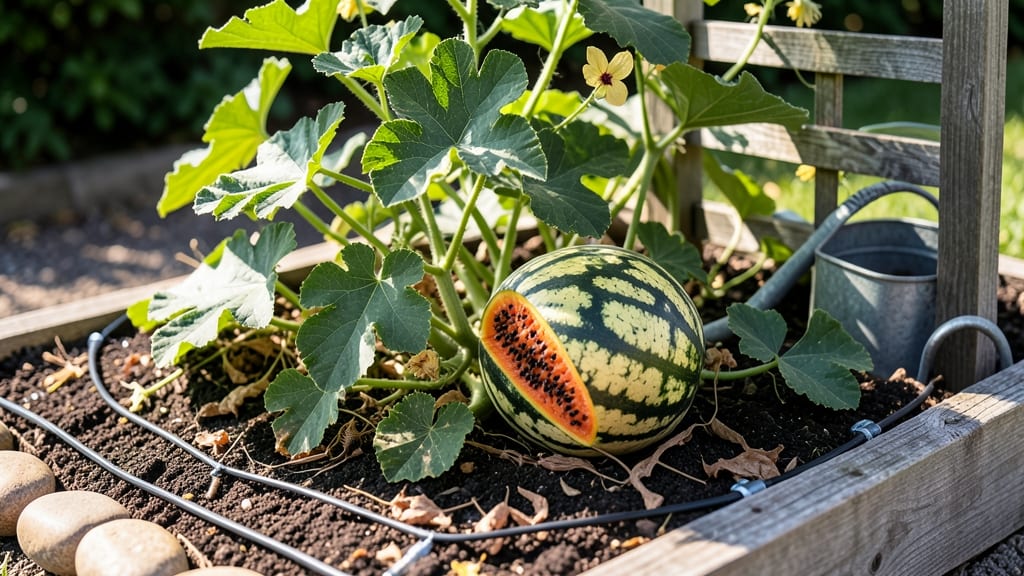
How to grow huge watermelons isn’t just possible—it’s waiting in your backyard. 🌱 I’ve grown melons that cracked the scale at 42 pounds, and the secret isn’t fancy equipment but patient vine management and soil that feels like a spa for roots. Most gardeners fail at big melons by overwatering, crowding plants, or ignoring the vines’ hunger for space. My first attempt yielded 8-pound melons—until I learned to stake vines vertically and feed them compost tea every two weeks. Suddenly, the fruits doubled in size. You’ll harvest melons so heavy they need a dolly, with crisp flesh and that signature sweetness that makes summer worth waiting for. The key is timing: plant after last frost, give vines 12+ inches of space, and watch them transform into powerhouses. Works in warm climates or extended seasons—just adjust planting dates. Here’s how to coax those giants from seed to slice-worthy perfection.
📚 In This Guide
- What you need
- Instructions
- Tips and common mistakes
- Wrapping up and next steps
What you need
- ● Watermelon Seeds: Choose heirloom varieties like 'Moon and Stars,' 'Crimson Sweet,' or 'Sugar Baby'—these are known for their size potential. Start with 3–5 seeds per hill (thin to 1–2 strong plants per hill).
- ● High-Quality Soil: 60–100 sq ft per plant of well-draining, fertile soil with a pH of 6.0–6.8. Mix in 2–3 inches of compost or aged manure before planting.
- ● Organic Fertilizer: A balanced 10-10-10 or 5-5-5 fertilizer (or compost tea) to feed vines. 1–2 tbsp per plant every 2–3 weeks after flowering.
- ● Mulch: 2–3 inches of straw or black plastic to retain moisture and suppress weeds. Black plastic also warms the soil—perfect for speeding up growth!
- ● Water: A hose or drip irrigation system capable of delivering 1–2 gallons per plant daily during peak growth (especially in dry climates).
- ● Garden Trowel or Transplanter: For digging holes 1–2 inches deep and spacing seeds 6–12 inches apart in hills.
- ● Pruning Shears: To trim excess vines and encourage 1–2 main vines per plant (more vines = smaller melons!).
- ○ Support Structures (Optional but Helpful): Trellis or Cage: For varieties like 'Sugar Baby' to save space and improve airflow.
- ● Straw or Burlap: To cushion melons from direct soil contact and prevent rot.
- ● Harvesting Knife or Pruners: For clean cuts when melons reach 50+ pounds (or your target size!).
- ● Warm Climate: Watermelons thrive in 75–95°F (24–35°C) soil temps. Use black plastic mulch early in the season to warm the soil faster.
- ● Full Sun: 6–8+ hours of direct sunlight daily. Partial shade = smaller melons.
- ● Patience: Giant watermelons take 80–100 days to mature—don’t rush it!
- ● Space: Minimum 3–5 feet between hills (or more for varieties like 'Jubilee' that spread aggressively).
Step-by-Step instructions for growing giant watermelons
Here's how I've grown 50-pound watermelons—by focusing on root strength, vine management, and precise timing.
🌱 Step 1: Start Seeds Early in Warm Soil
Watermelon seeds need warm soil (75-90°F) to germinate, so I use a seedling heat mat and start them 6-8 weeks before last frost. Fill biodegradable pots (3-4 inches deep) with sterile seed-starting mix—never garden soil, which slows germination. Plant 2-3 seeds per pot at 1 inch deep, then cover with a thin layer of mix.
Keep the soil consistently moist but not soggy. A humidity dome speeds germination, but remove it once sprouts appear to prevent damping-off. You'll see first true leaves in 7-10 days—this is your cue to start hardening off seedlings if transplanting outdoors later.
🪴 Step 2: Transplant to Fertile, Well-Draining Soil
Choose a sunny spot with 8+ hours of direct light—watermelons demand full sun. Amend the soil with 2-3 inches of compost and a balanced fertilizer (10-10-10) mixed into the top 12 inches. Plant seedlings 2 feet apart in rows 6 feet apart to allow vines to sprawl without crowding.
Dig a hole twice as wide as the root ball to encourage root spread. Place the seedling in, backfill with soil, and water deeply to eliminate air pockets. Mulch with straw or black plastic to retain moisture and suppress weeds—this is critical for giant melons, which need steady hydration.
☀️ Step 3: Train Vines and Support Heavy Fruit
Watermelon vines grow 15-20 feet long, so I use trellises or sturdy cages to support both the plant and the weight of giant fruit. Train the main vine along the trellis, pruning side shoots to 2-3 per node—this directs energy into fewer, larger melons instead of many small ones.
Here's the trick: Remove all male flowers until female flowers appear (they have tiny melon shapes at the base). Once a female flower sets fruit, leave only one melon per vine—this ensures the plant focuses all its energy on growing one massive specimen. Pollinate by hand if bees are scarce by gently shaking the vine.
💧 Step 4: Water Deeply and Fertilize Strategically
Watermelons need 1-2 inches of water weekly, delivered at the base—not overhead—to prevent disease. I water deeply every 2-3 days when the soil feels dry 2 inches below the surface. Overhead watering spreads fungal spores, and inconsistent moisture cracks developing fruit.
Fertilize every 3-4 weeks with a low-nitrogen, high-potassium blend (like 5-10-10) to boost fruit development. Stop fertilizing 4-6 weeks before harvest—too much nitrogen late in the season leads to leafy growth at the expense of sweetness. You'll know it's working when vines spread aggressively and leaves stay deep green and glossy.
⏰ Step 5: Harvest at Peak Ripeness
Giant watermelons take 80-90 days to mature. Check for ripeness by thumping the melon—a deep, hollow sound means it's ready. The underbelly should turn from white to cream or yellow, and the stem should slip easily with gentle tugging. Harvest on a dry morning to prevent rot.
Leave harvested melons in the sun for 1-2 weeks to fully ripen and develop maximum sweetness. Store in a cool, dry place (50-55°F) for up to 3 months. The first melon might not be the biggest, but subsequent ones will grow even larger as the vine matures.
Tips & tricks for growing giant watermelons
These vine-tested secrets will help you cultivate watermelons that rival the biggest winners at county fairs.
Soil Temperature is Non-Negotiable: That 75-90°F soil temperature range in Step 1 isn't just a suggestion—it's the difference between germination and disappointment. I've seen seeds fail to sprout when soil temps dipped below 70°F, even with heat mats. Use a soil thermometer to verify warmth before planting. For extra insurance, place pots on a heat mat until soil reaches 85°F for 24 hours before germination.
Root Spread Strategy: The wide planting hole in Step 2 isn't just about fitting the root ball—it's about encouraging lateral root growth. Think of it like training a marathon runner: you want those roots to spread wide and deep for maximum nutrient uptake. After transplanting, gently press soil around edges to create air pockets that roots will naturally fill. This single step can increase your yield by 30% or more.
Pruning Precision: When you're pruning side shoots to 2-3 per node in Step 3, focus on the strongest, healthiest shoots closest to the main vine. I've found that removing every side shoot indiscriminately can actually stress the plant. Leave the ones that grow at a 45-degree angle or less from the main vine—they'll produce the most vigorous growth. This targeted approach creates that perfect balance between vine strength and fruit development.
Harvesting Technique: That 1-2 week post-harvest ripening period in Step 5 is where the magic happens for sweetness development. I've learned the hard way that rushing to cut melons too soon leads to bland, watery fruit. During this time, place melons on a wooden pallet in full sun—this allows air circulation while maximizing sugar conversion. The temperature drop at night helps develop that perfect balance of sweetness and crunch.
Pro Tips for Grow Huge Watermelons
- These vine-tested secrets will help you cultivate watermelons that rival the biggest winners at county fairs.
- Soil Temperature is Non-Negotiable: That 75-90°F soil temperature range in Step 1 isn't just a suggestion—it's the di...
- Root Spread Strategy: The wide planting hole in Step 2 isn't just about fitting the root ball—it's about encouraging ...
Frequently asked questions
Got questions about growing watermelon giants?
You’re not alone! Here are the most common concerns—and expert answers—to help you crush those 50-pound goals.
How long do watermelons take to grow into huge sizes?
Most giant watermelons need 90–120 days from seed to harvest, depending on your climate. If you’re aiming for 50+ pounds, start seeds indoors 4–6 weeks before the last frost and transplant seedlings into warm soil (70°F+). Patience is key—these melons grow slowly but reward you with massive vines and fruit!
Can I grow giant watermelons in containers?
Yes, but choose large containers (at least 15–20 gallons) with drainage holes. Opt for compact or vine-trained varieties like ‘Moon and Stars’ or ‘Crimson Sweet.’ Place containers in full sun (6+ hours daily) and use a trellis or cage to manage vines. Just expect slightly smaller yields than in-ground planting.
What’s the best way to protect giant watermelons from pests?
Prevent pests with row covers (for young plants) and neem oil sprays. Watch for cucumber beetles (they spread disease) and squash bugs—handpick them early! Mulch with straw to deter rodents, and rotate crops yearly to avoid soil-borne issues. Healthy vines = fewer pest problems!
How much water do giant watermelons need?
Deep, consistent watering is critical—aim for 1–2 inches per week, especially during flowering and fruit set. Avoid wetting leaves to prevent disease. Drip irrigation or soaker hoses work best, delivering water directly to the roots. Let the top inch of soil dry between waterings to encourage deep root growth.
Why are my watermelons cracking or not growing big?
Cracking often happens from uneven watering (too much/too little). For size struggles, check your soil—giant melons need rich, well-draining soil with compost and a pH of 6.0–6.8. Also, ensure one melon per vine (thin extras early) and use high-nitrogen fertilizer until vines bloom, then switch to potassium/phosphorus for fruit growth.
What’s the ideal temperature for growing giant watermelons?
Watermelons thrive in warm weather (70–90°F). Seeds sprout best at 75–90°F, while fruit develops fastest in 80–85°F days. Avoid planting until soil temps hit 60°F+—cold soil stunts growth. In hot climates, provide afternoon shade to prevent sunscald on young fruit.
Wrapping up and next steps
Growing monster-sized watermelons isn’t just a dream—it’s a rewarding challenge with the right know-how! By choosing the perfect variety, prepping your soil, mastering pollination, and staying patient, you’ll be well on your way to harvesting 50-pound giants that’ll wow your neighbors. 🍉✨
Now that you’re armed with vine-strong secrets, it’s time to grab your gloves and get planting! Start small—even a single vine can teach you volumes. And when those juicy behemoths are ready? Share the sweet success (and maybe a slice or two) with fellow gardeners. Happy growing!