
Size
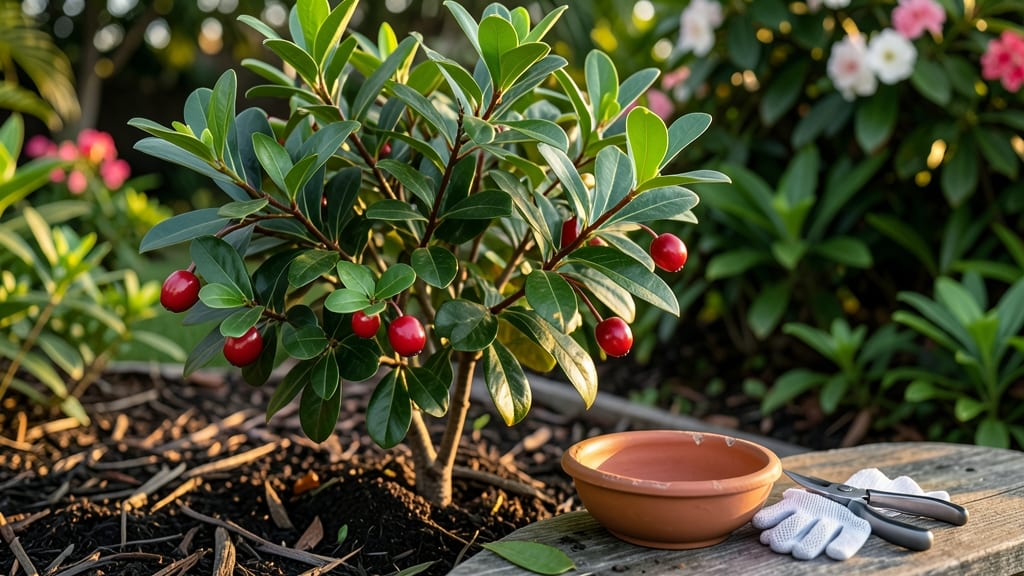
Here’s how to grow miracle fruit—your taste buds are about to get a wild upgrade. 🌱 The quirky Synsepalum dulcificum turns sour lemons into sweet candy, and with just a little care, you can grow it too.
I’ve had mine thriving for three years, and even my black thumb can’t kill it once you know the basics.
The secret isn’t complicated: warm climates (or bright indoor spots), well-draining soil, and patience. Start with seeds or cuttings—both work, but cuttings grow faster. You’ll need a pot with drainage holes (or a sunny windowsill if indoors), and water only when the top inch of soil feels dry.
No fancy tools required.
By month 6, you’ll see glossy leaves and tiny red berries. The real magic happens when you eat one—suddenly, everything tastes like dessert. The fruit ripens in 12-18 months, but the journey is half the fun. Even if you’ve killed every other plant, this one’s forgiving.
Works in containers, gardens, or even as a houseplant. Just avoid cold drafts, and you’re golden. Let’s get those seeds sprouting—or those cuttings rooting—because your taste buds won’t know what hit ‘em.
📚 In This Guide
- What you need
- Instructions
- Tips and common mistakes
- Wrapping up and next steps
What you need
- ● Miracle fruit seeds: 3–5 seeds (buy online or from specialty nurseries; freshness matters!)
- ● Well-draining potting mix: 2–3 gallons (use a blend of peat moss, perlite, and coconut coir for aeration)
- ● Small pots (3–4 inches wide): 3–5 pots (with drainage holes—plastic or terracotta works)
- ● Spray bottle: 1 (for gentle watering)
- ● Humidity dome or plastic wrap: 1 (to retain moisture while germinating)
- ● Grow lights or sunny windowsill: Access to bright, indirect light (6+ hours/day)
- ● Fertilizer (balanced, 10-10-10 or organic): 1 bottle (diluted to half-strength)
- ● Scissors or pruning shears: 1 (for trimming leaves/stems as needed)
- ● Seed-starting heat mat: Speeds up germination (70–80°F ideal)
- ● Larger container (10+ inches): For transplanting once seedlings grow
- ● pH test kit: Ensures soil pH stays between 5.5–6.5 (miracle fruit prefers slightly acidic soil)
- ● Misting bottle: For extra humidity in dry climates
- ● Trellis or support: If you want to train the vine as it grows
Step-by-step instructions for growing miracle fruit
Here's how to cultivate this fascinating plant—no green thumb required!
🌱 Step 1: Start Seeds Indoors for Strong Starts
Miracle fruit seeds need warmth to germinate, so begin indoors 4-6 weeks before your last frost date. Fill small pots with sterile seed-starting mix (not garden soil) and plant 1-2 seeds per pot at a depth of ¼ inch. Gently press the soil around them—you don’t want to bury them too deep.
Place the pots in a warm spot, ideally on a seedling heat mat set to 75-80°F. Cover with a clear plastic dome or plastic wrap to retain moisture. Keep the soil consistently damp (not soggy) and expect sprouts in 2-4 weeks. Once seedlings have 2-3 true leaves, they’re ready to move to slightly larger pots.
☀️ Step 2: Provide Bright, Indirect Light
Miracle fruit thrives in bright, indirect light—think of it like a tropical houseplant. Place seedlings near a south-facing window or under a grow light for 12-14 hours daily. If leaves start stretching or turning pale, your light isn’t strong enough. Adjust the light source to stay 6-12 inches away from the plants.
Rotate the pots a quarter turn weekly so the plant grows evenly. Avoid direct midday sun, which can scorch tender new leaves. You’ll know the light is right when the leaves stay deep green and compact.
🪴 Step 3: Transplant to Larger Pots After 6-8 Weeks
When seedlings are 6-8 inches tall with 4-5 true leaves, move them to 6-inch pots filled with a well-draining potting mix. Gently remove the seedling from its starter pot, loosen the roots if they’re circling, and place it in the new pot at the same depth it was growing before.
Water thoroughly after transplanting to help the roots settle. Miracle fruit prefers slightly acidic soil (pH 6.0-6.5), so if your mix isn’t pre-acidified, add a small amount of peat moss or sphagnum moss to the soil. Keep the soil moist but not waterlogged—overwatering is the fastest way to kill these tropical plants.
✂️ Step 4: Prune and Encourage Bushy Growth
Once your miracle fruit plant reaches 12-18 inches tall, it’s time to shape it. Pinch back the top set of leaves to encourage branching. This step is key—if you skip it, the plant will grow tall and leggy with few fruit-bearing branches. After pinching, water lightly to help the plant recover.
Continue pruning throughout the growing season to maintain a compact, bushy shape. Remove any yellow or damaged leaves immediately—they can attract pests or spread disease. With proper pruning, your plant will develop multiple stems, increasing your harvest potential.
💧 Step 5: Maintain Humidity and Water Consistently
Miracle fruit loves high humidity—think 60-80%—so if your home is dry, place the pot on a pebble tray filled with water or use a humidifier nearby. Mist the leaves lightly 2-3 times weekly, but avoid wetting the foliage too much, as this can lead to fungal issues.
Water when the top inch of soil feels dry to the touch. Stick your finger in the soil—if it’s dry past your first knuckle, it’s time to water. Use room-temperature water to avoid shocking the roots. In warmer months, you may need to water every 2-3 days, while cooler months might require once a week. Always water at the base, not overhead.
Tips & tricks for growing miracle fruit successfully
Growing miracle fruit doesn't require a green thumb—just these simple tricks to ensure your plant thrives from seed to harvest.
Germination Boost: I learned the hard way that patience pays off with miracle fruit seeds. Plant them indoors 4-6 weeks before your last frost date for the best chance at strong starts. The key is warmth—use a seedling heat mat set to 75-80°F to mimic tropical conditions. Cover the pots with plastic wrap to trap moisture, but don't let the soil get soggy. If you see condensation forming inside the plastic, you're doing it right—just remove the cover for 10 minutes daily to prevent mold.
Lighting Secrets: Miracle fruit needs bright, indirect light for 12-14 hours daily, but here's what nobody tells you: your light source matters just as much as the duration. South-facing windows work, but if you're using grow lights, keep them 6-12 inches away from the plants. I noticed my seedlings stretching toward the light? That's a sign they need more intensity. Rotate the pots weekly so all sides get equal exposure—this prevents lopsided growth and keeps your plant compact.
Transplanting Like a Pro: When your seedlings reach 6-8 inches tall with 4-5 true leaves, it's time to move them to 6-inch pots. The trick is to handle the roots gently—loosen any circling roots before planting them at the same depth they were growing before. Miracle fruit prefers slightly acidic soil (pH 6.0-6.5), so if your mix isn't pre-acidified, add a small amount of peat moss. Water thoroughly after transplanting, but don't drown them—overwatering is the number one killer of these tropical plants.
Pruning for Productivity: Once your plant hits 12-18 inches tall, pinch back the top set of leaves to encourage branching. This might seem counterintuitive, but trust me—it's what creates that bushy shape with multiple stems. After pruning, water lightly to help the plant recover. I've found that regular pruning throughout the growing season not only keeps the plant compact but also increases your harvest potential by promoting more fruit-bearing branches. Just remember to remove any yellow or damaged leaves immediately—they can attract pests.
Pro Tips for Grow Miracle Fruit
- Growing miracle fruit doesn't require a green thumb—just these simple tricks to ensure your plant thrives from seed t...
- Germination Boost: I learned the hard way that patience pays off with miracle fruit seeds. Plant them indoors 4-6 wee...
- Lighting Secrets: Miracle fruit needs bright, indirect light for 12-14 hours daily, but here's what nobody tells you:...
Frequently asked questions
Got questions about growing miracle fruit? You’re not alone! Here are the most common queries—plus straightforward answers to help you succeed.
How long does it take for miracle fruit to bear fruit?
Patience is key! Miracle fruit (Synsepalum dulcificum) typically takes 2–5 years to produce berries, depending on growing conditions. Younger plants focus on leaf growth, so don’t rush—provide consistent care, and rewards will come.
Can I grow miracle fruit indoors?
Yes, but with caveats. Miracle fruit thrives in bright, indirect light (like an east-facing window) and needs humidity (try a pebble tray or humidifier). A 10–12 hour daylight cycle mimics its tropical habitat. If indoors, rotate the plant weekly for even growth.
What do I do if my miracle fruit plant’s leaves turn yellow?
Yellow leaves usually signal overwatering or nutrient deficiency. Let the top inch of soil dry out between waterings, and fertilize lightly (balanced 10-10-10) every 2–3 months. Check for pests like spider mites too—wipe leaves with soapy water if needed.
Are there alternatives to miracle fruit for flavor tricks?
If miracle fruit seems too tricky, try miracle berry lookalikes:
- Serendipity berry (Synsepalum laxum): Similar effects, slightly milder.
- Miracle fruit extract: Buy pre-made (check for purity) for instant flavor magic.
- Sour cherries + sugar: A DIY hack—eat tart fruit first, then sweet treats.
How do I know when miracle fruit berries are ripe?
Ripe miracle fruit turns bright red-orange and feels slightly soft when gently squeezed. Unripe berries are green/hard—wait 1–2 weeks longer. Pro tip: Pick them early morning for peak flavor potency!
Wrapping up and next steps
Growing miracle fruit is simpler than you think—no green thumb required!
With the right Synsepalum dulcificum seeds, patience, and a cozy indoor spot, you can unlock a world where lemons taste like candy. 🌱✨ Whether you’re experimenting for fun or curious about its unique properties, your tiny garden adventure is just a few steps away.
Ready to taste the magic? Start with one plant and share your journey—your friends (and taste buds) will thank you!