
Size
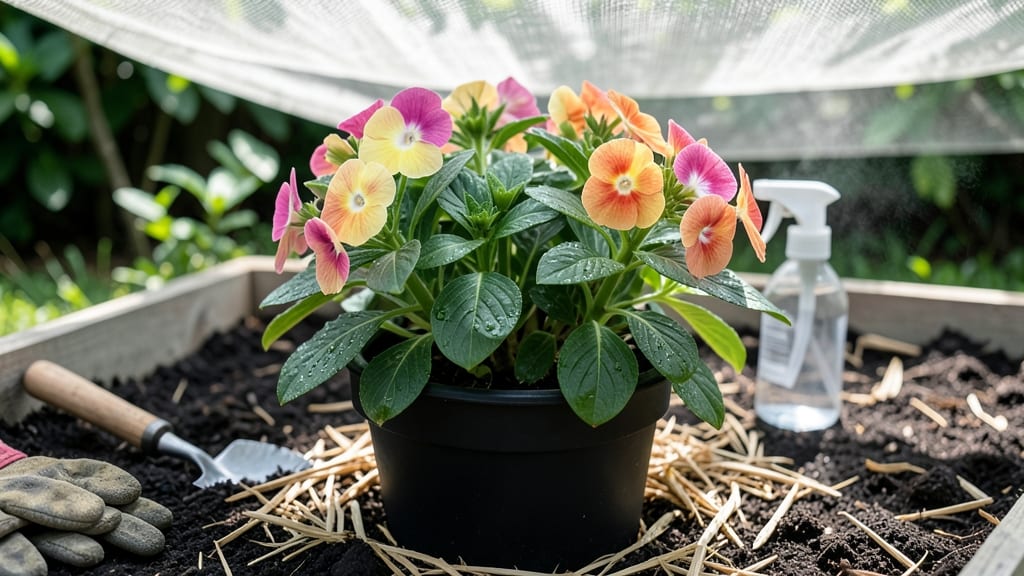
How to grow New Guinea impatiens brings jungle vibes to any garden spot. 🌿 Their glossy leaves and bold blooms in rainbow colors outshine regular impatiens, and they thrive where others fail—even in partial shade. I’ve grown them for years, and once you try them, you’ll never go back to the basic varieties.
These tropical beauties love rich, moist soil and consistent watering—think of them as the divas of the shade garden. They bloom nonstop from spring to frost (and beyond in warm climates), but they’re not fussy about light like other impatiens.
The key is keeping the soil evenly damp and fertilizing lightly every few weeks.
You’ll end up with vibrant, bushy plants that fill containers or garden beds with color. Prune lightly after blooms fade to encourage more flowers, and watch them rebound like champions. These aren’t just pretty—they’re the workhorses of shade gardens.
Perfect for hanging baskets, window boxes, or as a lush ground cover. They even tolerate light frost better than their cousins, making them the ultimate low-maintenance stunner. Let’s get those bold blooms growing!
📚 In This Guide
- What you need
- Instructions
- Tips and common mistakes
- Wrapping up and next steps
What you need
- ● New Guinea Impatiens plants – Choose healthy nursery starts or seeds (if propagating). Pro tip: Opt for varieties like ‘Super Elfin’ or ‘Accent’ for compact, colorful blooms! 🌸
- ○ Well-draining potting mix – A blend of peat moss, perlite, and compost (ratio: 3:1:1) works best. Optional: Add slow-release fertilizer (10-10-10) for a nutrient boost.
- ● Containers or garden beds – Containers: 5–7 gallon pots with drainage holes (one plant per pot).
- ● Garden beds: Full sun to partial shade (morning sun, afternoon shade).
- ● Watering can or hose with a gentle spray nozzle (to avoid damaging delicate foliage).
- ● Pruning shears – For trimming leggy stems or spent blooms.
- ● Garden gloves – Protects hands from soil and thorns (some varieties have mild prickles!).
- ○ Stakes or cages (optional) – Helps support taller varieties like ‘Super Nova’.
- ● Balanced liquid fertilizer (20-20-20) – Feed every 2–4 weeks during growing season.
- ○ Mulch (optional) – Pine bark or shredded leaves to retain moisture and suppress weeds.
Step-by-Step instructions for growing New Guinea impatiens
Here's how to coax these vibrant bloomers into thriving, long-lasting plants with just a few simple steps.
🌱 Step 1: Choose the Perfect Planting Location
New Guinea impatiens love partial shade—think 4-6 hours of morning sun with afternoon shade protection. In hot climates, they'll appreciate dappled shade all day to prevent leaf scorch. I always check the sun patterns in my garden first: if the spot gets hot afternoon sun, I opt for a shadier corner or use a lightweight shade cloth (30-50% coverage) during peak heat.
These plants thrive in well-draining soil with rich organic matter. Amend your garden bed with 2-3 inches of compost mixed into the top 6 inches of soil before planting. The goal is loose, airy soil that drains quickly but holds enough moisture to keep roots happy. If your soil is heavy clay, consider planting in large containers instead—New Guinea impatiens are surprisingly adaptable to pots.
🪴 Step 2: Plant at the Right Time and Depth
Start with healthy 4-inch transplants after your last frost date when soil temperatures reach at least 60°F. I always wait until nighttime temperatures stay above 55°F—cold snaps will stunt their growth. Dig a hole twice as wide as the root ball but only as deep as the container it came in. Planting too deep suffocates the roots.
Gently remove the plant from its container and loosen any circling roots with your fingers. Place it in the hole so the top of the root ball sits level with the surrounding soil. Fill in around the roots with your amended soil, pressing lightly to eliminate air pockets. Water deeply right after planting—1 gallon per plant—to settle the soil and encourage root contact with the surrounding earth.
💧 Step 3: Water Consistently Without Overdoing It
New Guinea impatiens hate dry soil but despise soggy roots even more. Water when the top 1-2 inches of soil feel dry to the touch, which is usually every 2-3 days in warm weather. I check by sticking my finger into the soil—if it's dry at that depth, it's time to water. Always water at the base of the plant rather than overhead to prevent fungal diseases.
Mulch around the plants with 2-3 inches of shredded bark or pine needles to retain moisture and keep roots cool. This is especially important in containers, where soil dries out faster. Too much water causes yellow leaves and root rot, while too little leads to droopy foliage and bud drop. Aim for even moisture—not soggy, not bone-dry.
☀️ Step 4: Feed Regularly for Nonstop Blooms
These heavy bloomers need balanced fertilizer every 2-3 weeks during the growing season. I use a 10-10-10 or 20-20-20 formula diluted to half-strength to avoid burning tender roots. Start fertilizing 2 weeks after planting and continue until first frost. The key is consistency—don't skip feedings or you'll see fewer blooms.
For extra vigor, I add a liquid seaweed extract (like Maxi-Crop) once a month. This boosts root development and helps plants handle heat stress better. If you notice small, sparse blooms, it's usually a sign of under-fertilization. But watch out—too much nitrogen (the first number) makes plants grow leaves instead of flowers, so always follow package instructions carefully.
✂️ Step 5: Deadhead and Prune for Long-Lasting Beauty
Pinch back the tips of new growth when plants are 6-8 inches tall to encourage bushier growth. This simple step prevents leggy stems and keeps your impatiens compact and full. I use clean, sharp scissors to snip just above a set of leaves—never tear the stems with my fingers.
Deadhead spent blooms regularly (every 3-4 days) to prevent seed formation and encourage more flowers. Simply pinch or cut off the faded blossoms at their base. You'll see new buds forming within a week—that's your reward for staying on top of maintenance. In late summer, give plants a light trim to remove any leggy growth and promote fresh, vigorous new shoots before fall.
Tips & tricks for perfect New Guinea impatiens
These simple tricks will help you grow vibrant, long-lasting New Guinea impatiens with minimal effort.
Location is Everything: When choosing your planting spot in Step 1, pay close attention to afternoon sun patterns. If you're unsure, test the area for a week first—place a white plate where you plan to plant and check for shadow patterns. Morning sun is ideal, but if your garden gets intense afternoon rays, use a lightweight shade cloth (30-50% coverage) during peak heat hours (usually 12-3 PM). This prevents leaf burn while still allowing enough light for photosynthesis.
Soil Prep Secret: For Step 1, don't skimp on the compost! Mix in 2-3 inches of well-aged compost into the top 6 inches of soil to create that perfect loose, airy texture. If your soil is heavy clay, consider planting in large containers instead—New Guinea impatiens actually thrive in pots with their roots contained. Just make sure your containers have drainage holes to prevent waterlogging, which these plants absolutely hate.
Watering Wisdom: In Step 3, the key to consistent watering is checking soil moisture at the right depth. Stick your finger into the soil—if the top 1-2 inches feel dry, that's your cue. For containers, you might need to water daily in hot weather, while in-ground plants typically need water every 2-3 days. The secret is mulching with 2-3 inches of shredded bark or pine needles right after planting. This helps retain moisture and keeps roots cool, which is especially important in containers where soil dries out faster.
Fertilizer Finesse: When it comes to Step 4, timing is everything with fertilizer. Start feeding 2 weeks after planting with a balanced 10-10-10 or 20-20-20 formula diluted to half-strength. I like to fertilize on the same day I water, which helps prevent root burn. For that extra boost, add a liquid seaweed extract once a month—it's like giving your plants a spa day! Just remember, too much nitrogen (the first number) will make your plants grow leaves instead of flowers, so always follow package instructions carefully.
Pro Tips for Grow New Guinea Impatiens
- These simple tricks will help you grow vibrant, long-lasting New Guinea impatiens with minimal effort.
- Location is Everything: When choosing your planting spot in Step 1, pay close attention to afternoon sun patterns.
- Soil Prep Secret: For Step 1, don't skimp on the compost!
Frequently asked questions
Got questions about keeping your New Guinea Impatiens thriving? You’re not alone! Here are some of the most common questions—and straightforward answers—to help you grow bold, vibrant blooms with confidence.
How often should I water New Guinea Impatiens?
These tropical beauties love consistent moisture—water them when the top inch of soil feels dry. In hot weather, that could mean daily watering! Just avoid soggy soil to prevent root rot. Pro tip: Use a moisture meter or stick your finger in the soil to check.
Can I grow New Guinea Impatiens from seed, or should I buy seedlings?
While possible, seeds are tricky—they require warmth, humidity, and patience (germination can take 2–4 weeks). Most gardeners opt for healthy seedlings from nurseries for faster, easier results. If you’re ambitious, start seeds indoors 8–10 weeks before your last frost!
What pests commonly attack New Guinea Impatiens, and how do I stop them?
Watch for aphids, spider mites, and whiteflies—they love these plants too! Blasts of water or neem oil can deter pests early. For severe infestations, use insecticidal soap. Prevention tip: Keep plants healthy with proper light and water to boost their natural resistance.
Why aren’t my New Guinea Impatiens blooming?
Lack of light or nutrients often stunts blooms. Ensure they get bright, indirect light (no harsh sun) and fertilize every 2–4 weeks with a balanced, water-soluble fertilizer. Deadhead spent blooms to encourage new flowers—and don’t forget: They bloom best in warmth (60–75°F).
Are New Guinea Impatiens annuals or perennials?
In most climates, they’re treated as tender perennials—they’ll die back in frost but can often regrow from roots if protected. In colder zones, grow them as annuals and replant each spring. Fun fact: Some varieties self-seed, so you might get surprises next season!
Wrapping up and next steps
Growing New Guinea Impatiens is all about embracing their vibrant nature with a little patience and care! 🌸 With the right mix of bright, indirect light, consistent moisture, and nutrient-rich soil, you’ll enjoy a stunning display of bold blooms that last all season.
Remember, these beauties thrive in humidity and warmth, so don’t hesitate to get creative—like using trays of water or misting them daily.
Now that you’re armed with the know-how, roll up your sleeves and plant your first seeds or cuttings! Start small—even a single pot can make a dramatic impact—and soon, your garden (or patio) will burst with color.
Happy growing, and may your New Guinea Impatiens become the star of your outdoor space! 🌿✨